Air India turbulence: Doctors say trauma can persist for months, not just injuries
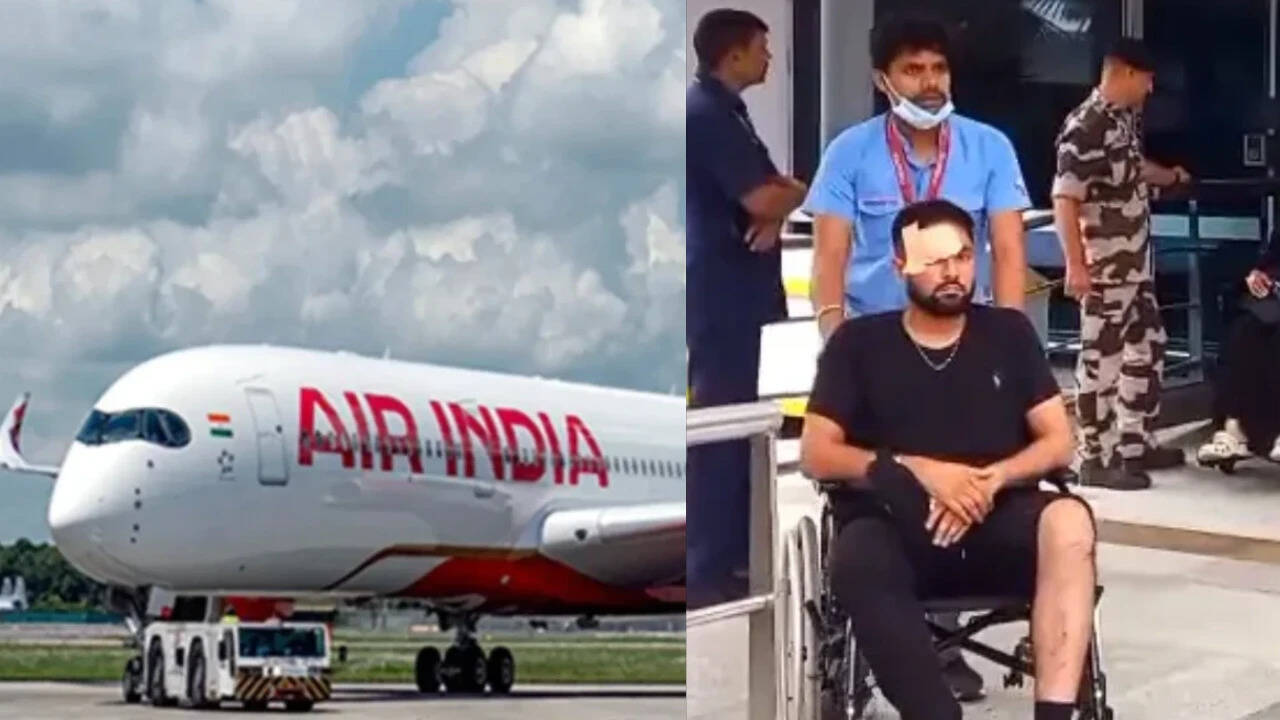
NEW DELHI: The Air India flight from Phuket to Delhi that suddenly dropped nearly 300 feet after encountering severe turbulence on Tuesday has raised fresh concerns about the hidden toll of such incidents. While at least 14 passengers and cabin crew members were injured and the Directorate General of Civil Aviation (DGCA) has launched an investigation, doctors are warning that the physical and psychological effects can last for weeks or even months.
Turbulence is caused by irregular air movement that can occur in various weather conditions. It is often mild, but on rare occasions can be severe enough to throw passengers and crew around the cabin. Aviation safety experts consistently advise passengers to keep their seatbelts fastened whenever seated, as turbulence can strike without warning.
Psychiatrists say even those who escape with no visible injuries may struggle with significant mental distress. "The sudden perception of imminent danger, combined with the loss of control and visible panic, can activate the body's survival response," said Dr Rajesh Sagar, professor in the Department of Psychiatry at AIIMS. He explained that passengers may experience persistent fear, anxiety, sleep disturbances, intrusive memories and heightened alertness after the event. In some cases, the experience can trigger Acute Stress Disorder (ASD) within days, which may progress to Post-Traumatic Stress Disorder (PTSD) if symptoms continue beyond a month.
"The psychological impact should not be underestimated simply because there are no major physical injuries," Dr Sagar said. He advised passengers to seek professional help if they experience nightmares, flashbacks, an aversion to flying or ongoing emotional distress. Early psychological support, based on the principles of Psychological First Aid, can reduce the risk of long-term trauma, he added.
Orthopaedic experts also caution against dismissing apparently minor physical injuries suffered during turbulence. Dr (Maj.) Mukesh Garg, Director of Orthopaedics, Arthroscopy and Sports Injury at Sarvodaya Hospital, said passengers thrown against seats, overhead bins or cabin interiors may sustain bruises, ligament injuries, fractures or injuries to the neck and spine. "Not all injuries become obvious immediately," he said. "Soft tissue injuries, ligament tears and mild concussions may take several hours to become apparent. Pain, swelling and stiffness often worsen over the next 24 to 48 hours."
He advised anyone who suffered a blow to the head, neck or back to undergo a medical evaluation even if symptoms initially appear mild. Warning signs that require immediate medical attention include severe or worsening headache, repeated vomiting, dizziness, confusion, blurred vision, weakness or numbness in the limbs, difficulty walking, severe neck pain and loss of bladder or bowel control.
For passengers who develop a fear of flying after such an event, experts recommend a gradual return to air travel. Counselling, breathing exercises and relaxation techniques can help restore confidence. Starting with shorter flights, travelling with a trusted companion and keeping the seatbelt fastened throughout the journey can also contribute to a renewed sense of safety and control.
The DGCA investigation is expected to examine the circumstances leading to the sudden drop and whether standard operating procedures were followed. The incident serves as a reminder that turbulence, though a routine part of flying, can occasionally cause serious harm — both visible and invisible.