After US-Iran Strikes, Gulf States Rethink Security, Forge New Pacts
After nearly two weeks of 13 consecutive waves of US strikes on Iran and Iranian retaliation against targets in Gulf Arab states, both sides ceased attacks by July 25. US Central Command Admiral Brad Cooper reportedly recommended halting the bombardment, which focused on degrading Iran's ability to target shipping in the Strait of Hormuz, as it had reached the limit of its effectiveness.
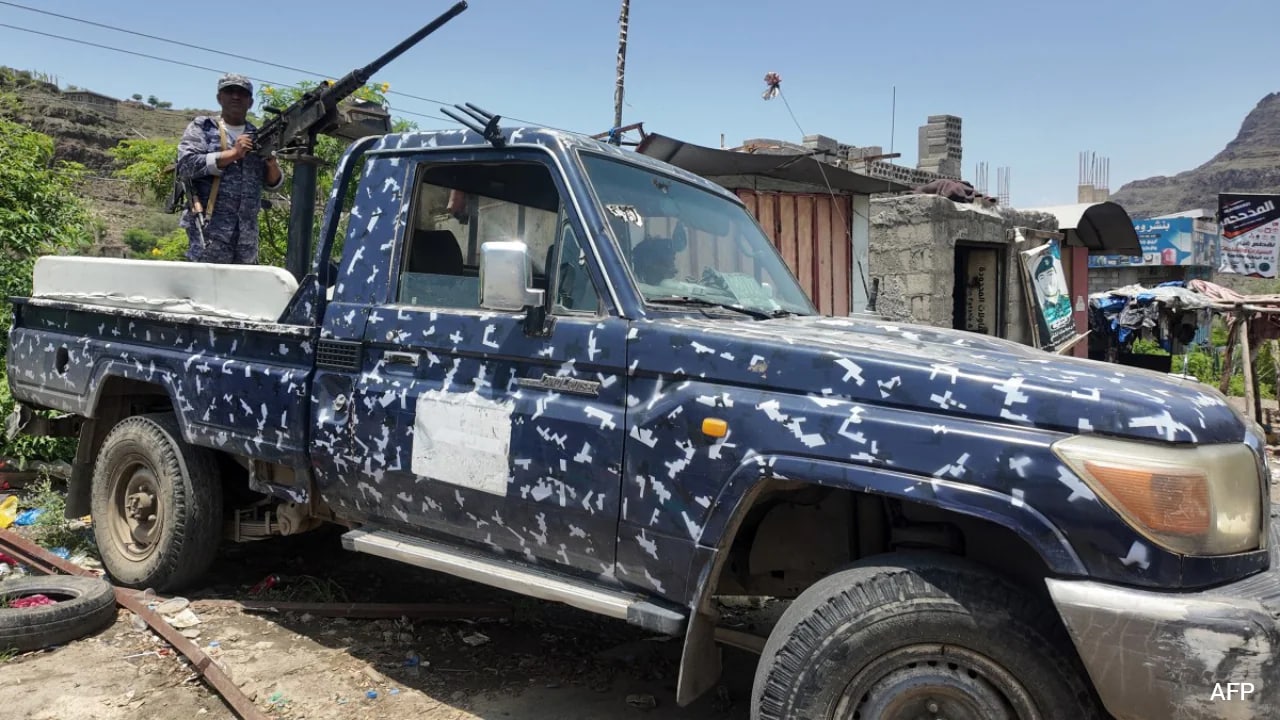
The region is now adapting to the conflict's fallout. Kuwait ratified a Defence Cooperation Agreement with Pakistan on July 26 for a five-year period, focusing on military training, intelligence sharing, and logistics. Qatar also committed to deepening security cooperation with Pakistan during bilateral talks in Doha. Meanwhile, the US-Iran war reignited the dormant Houthi-Saudi conflict, leading to Houthi attacks on Red Sea shipping. For the first time in history, both the sea and the strait flanking the Arabian Peninsula were under fire simultaneously until the exchanges ceased.
On July 27, Washington's UN Ambassador said President Donald Trump wanted to give negotiations a chance, with Trump stating that friendly negotiations were underway at Iran's request. Tehran rejected this characterisation, with semi-official Tasnim News asserting that Washington had requested talks. As this author wrote on July 3, any kinetic action between both sides effectively aims to improve bargaining positions and degrade the other's capabilities.
Since early July, as Iran rejected American efforts to push through a new shipping channel through Omani waters and targeted ships that did not coordinate with Iran, the US resumed kinetic action focused on degrading Iran's ability to enforce a memorandum of understanding's Article 5, which allowed joint Iranian and Omani administration of the Strait of Hormuz. This was intended to weaken Iran's bargaining power during nuclear negotiations, but neither goal has been achieved. Iran retains control of Hormuz, Tehran and Muscat continue technical negotiations to finalise Article 5 enforcement, and Iran has broadened talks to include Saudi Arabia, as evidenced by talks between Iranian Foreign Minister Abbas Araghchi and his Saudi counterpart Faisal bin Farhan on July 28.
Iran arguably deems its case for nuclear enrichment strengthened after Saudi Arabia signed a 123 Agreement with the US on July 22 to begin bilateral nuclear energy cooperation. If Riyadh gains the right to enrich uranium on its soil, Tehran is likely to concede less on its own enrichment rights. Thus, Washington may again be incentivised to hit Iranian nuclear targets and Hormuz infrastructure until satisfied with degradation of Iranian capabilities, a yardstick likely self-defined given the objective failure of US war aims so far.
The recurring fighting has reinforced a lesson for key Arab states: regardless of current dependence on foreign arms, internal capability development and improved military training are inescapable long-term needs. Hence, Kuwait's Defence Cooperation Agreement with Pakistan emphasises training, education, intelligence sharing, logistics, defence technology, and research. The agreement does not mimic the Saudi-Pakistan Strategic Mutual Defence Agreement signed in September 2025, as it does not bind either party to mutual defence. This shift reflects a broader regional trend towards diversifying security partnerships and building indigenous capacity.