Adhir Chowdhury Condemns Bengal Murder of Congress Leader and Son, Demands Probe
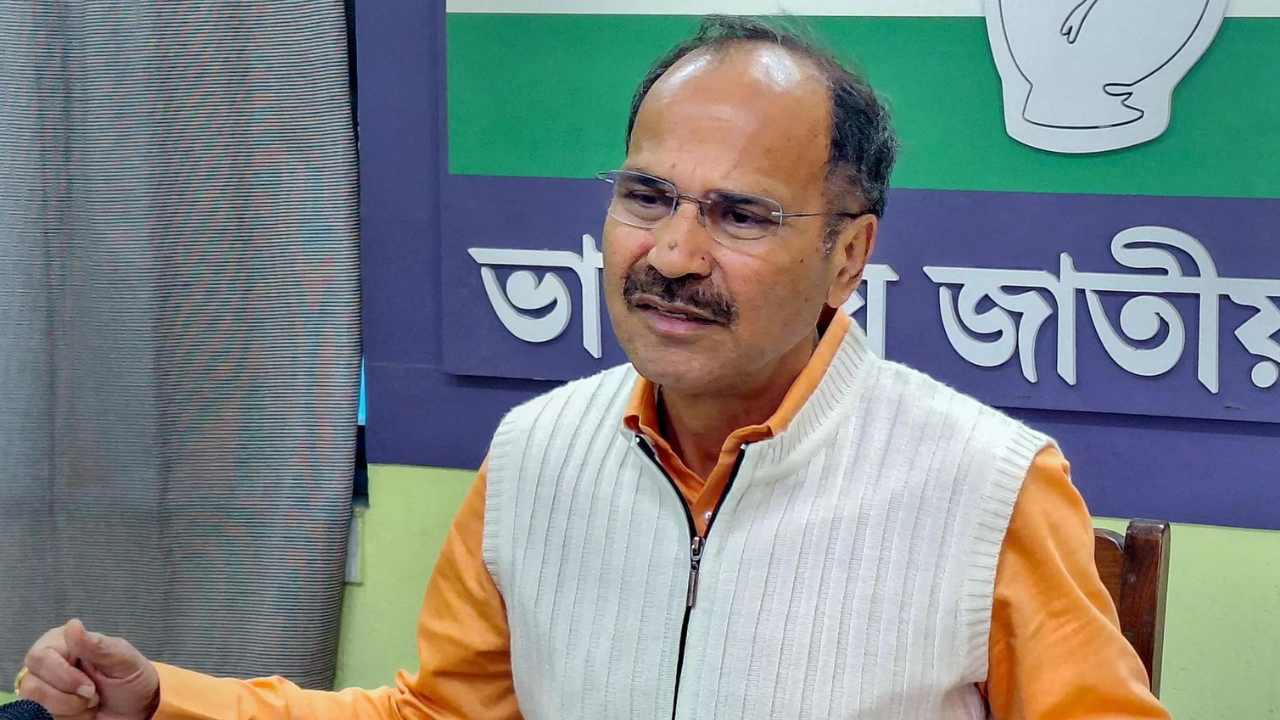
Kolkata: Senior Congress leader Adhir Ranjan Chowdhury on Wednesday condemned the murder of a local Congress leader and his son in West Bengal, expressing deep concern over the incident and demanding a thorough investigation. The Congress leader described the killings as a matter of grave concern and said they raise several questions about the law and order situation in the state.
While Chowdhury did not directly blame any political party, he urged the state administration to ensure a fair and speedy probe. He said the incident would not have occurred had there been proper security arrangements and a functional police response mechanism.
The victims, whose names have not been officially released pending family notification, were reportedly attacked by a group of assailants at their residence. Neighbours said they heard shouting and rushed to the spot only after the assailants had fled. The police have registered a case and are investigating the circumstances leading to the murder.
Political violence has been a recurring concern in West Bengal, with several parties accusing each other of orchestrating attacks. The Congress, once a major force in the state, has seen its influence decline over the years, and its leaders have often alleged intimidation by ruling party workers. Chowdhury, a former Member of Parliament and a prominent Congress face in the state, has been vocal about such issues.
The state government has promised action, and the Chief Minister's Office said it has directed the police to take necessary measures. However, Chowdhury said that mere promises are not enough. He called for a transparent investigation that brings the culprits to justice, so that the public's faith in the administration is restored.
Condemnations have also come from other political quarters, with leaders from various parties expressing shock at the killings. Some have demanded compensation for the bereaved family, while others have called for a special investigation team to handle the case.
The incident highlights the fragility of political security in the state, especially for opposition workers. It also comes at a time when the political atmosphere in West Bengal is charged, with local elections and organisational changes in various parties.
Chowdhury's reaction reflects a broader concern shared by many civil society members who have been demanding an end to political violence. They argue that such incidents undermine democratic processes and intimidate those who wish to participate in public life.
While the investigation is underway, the family of the victims has appealed for peace. They said they want justice but do not wish for any further violence. Local community members have also urged restraint, fearing that the incident could lead to a cycle of reprisals.
The police have assured that every effort is being made to identify and arrest the suspects. They have also enhanced patrolling in the area and are questioning locals to gather leads.
The murder has once again brought the issue of political violence to the forefront, with many questioning whether the state machinery is doing enough to protect ordinary citizens, especially those affiliated with opposition parties.
As the investigation continues, the demand for a comprehensive policy to address political violence has grown louder. Chowdhury's statement, though critical, also emphasises the need for calm and a responsible approach from all parties. He said that the democratic framework must be upheld and that violence has no place in politics.
The tragic death of a father and son in such circumstances is a stark reminder of the human cost of systemic failures. The family, the community, and the state as a whole are now left to grapple with the aftermath, while seeking answers that only a fair and robust investigation can provide.