Accenture's Cautious Guidance Triggers Decline in Indian IT Stocks; Investors Lose Rs 2 Lakh Crore
Indian IT stocks experienced a broad-based decline on Friday after global consulting firm Accenture issued a cautious revenue outlook, leading to a sharp sell-off that wiped out approximately Rs 2 lakh crore in market capitalisation from Sensex-listed companies within minutes of trading.
Shares of major IT companies, including Tata Consultancy Services (TCS), Infosys, HCLTech, Tech Mahindra, and Wipro, fell between 3.3 per cent and 6 per cent. Other mid-sized software firms such as Coforge, Hexaware Technologies, Sonata Software, Tata Elxsi, and KPIT Technologies also traded substantially lower.
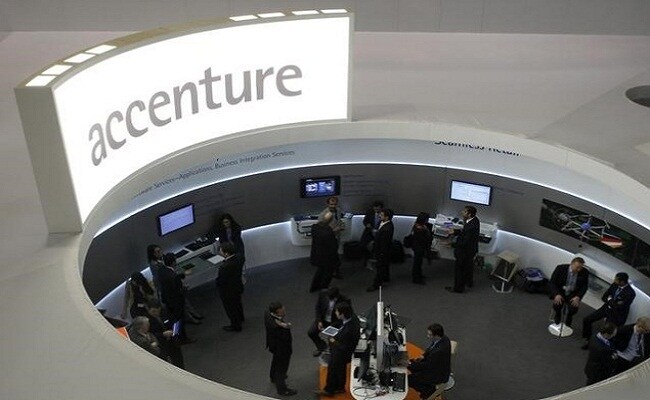
The negative sentiment was driven by Accenture's third-quarter results, which, while not disastrous, prompted concerns about future demand. Accenture's revenue rose 6 per cent year-on-year to $18.72 billion, but the company narrowed its full-year revenue growth guidance to 3-4 per cent, down from the previous 3-5 per cent forecast. Management indicated that clients are not expanding their technology budgets despite growing interest in artificial intelligence (AI). Instead, companies are reallocating existing budgets toward AI initiatives, rather than increasing overall spending.
This distinction is significant because investors had earlier hoped that AI would unleash a new wave of technology spending. Accenture's commentary suggests that AI is currently reshaping budgets rather than creating substantial new demand. The company also projected fourth-quarter revenue below Wall Street expectations and disclosed that geopolitical tensions in the Middle East had resulted in a $400 million hit to its regional business during the quarter.
For Indian IT companies, a key concern is the decline in Accenture's outsourcing bookings, which fell 15 per cent from a year earlier. Outsourcing is a core component of India's software services industry, and the drop indicates that global enterprises remain cautious about committing to large technology contracts. Consulting demand remains weak, and discretionary spending—often the first to be cut during uncertain times—has yet to recover.
Abhishek Bhilwaria, Partner at BhilwariaFinserv, noted that the weakness in Accenture's bookings highlights a broader challenge for Indian technology firms. "The sudden drop in Accenture's bookings points to a deeper problem for Indian tech companies as global clients pull back on traditional tech spending," Bhilwaria said. He added that firms such as Infosys and Wipro may need to accelerate their shift toward smaller, AI-led transformation projects to protect profitability and sustain growth in a slower demand environment.
The impact was not limited to India. On Wall Street, Accenture's shares plunged nearly 15 per cent after the results. The disappointing outlook triggered a broader sell-off in global technology stocks.
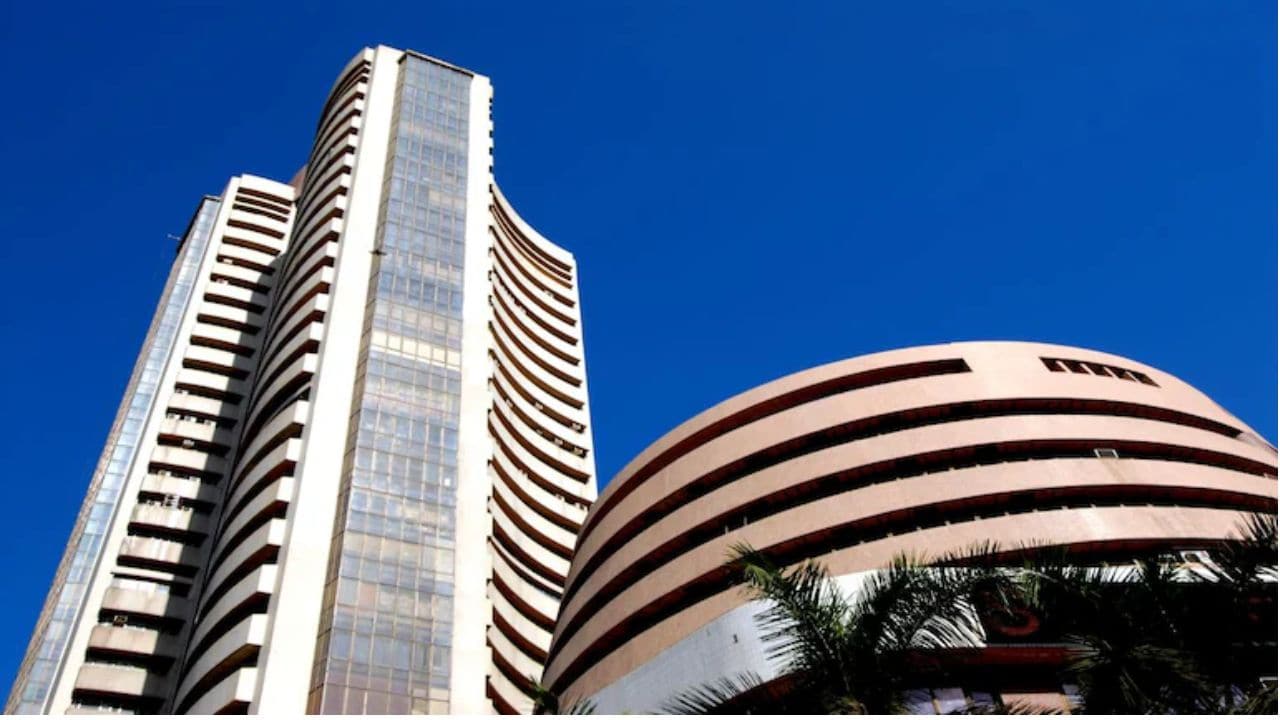
Investors on Dalal Street were also spooked by the possibility that Indian IT companies could face similar challenges in the coming quarters. The total valuation of BSE-listed Sensex companies dropped from Rs 4,77,60,908 crore to Rs 4,75,65,708 crore, reflecting the nervousness that swept across the market.
Despite the decline, analysts caution against panic. The Indian IT sector has demonstrated resilience in the past, and the long-term demand for digital transformation and AI services remains intact. However, the near-term outlook may be tempered by cautious client spending and geopolitical uncertainties.