3 months after missile strike, 8 Indian sailors stranded without documents, livelihoods at stake
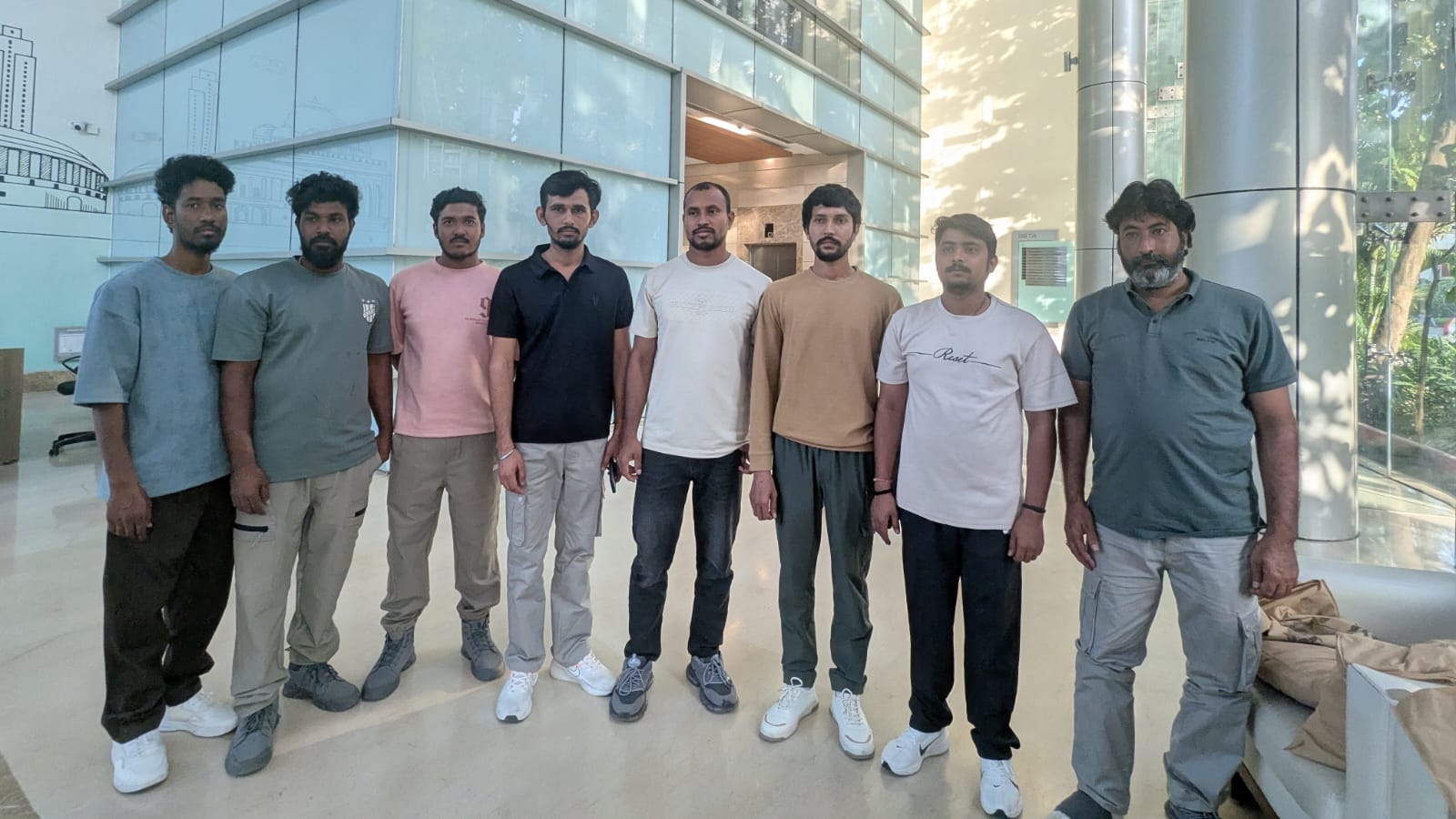
When eight Indian seafarers jumped into the waters off Oman on March 1 after a missile struck their oil tanker MV Sky Light in the early days of the West Asia conflict, they struggled to survive. Three months later, survival remains the central struggle of their lives.
The attack near Khasab port killed the vessel's captain, Ashish Kumar of Bihar, and left another crew member missing. The eight sailors were rescued by the Omani military after spending nearly 45 minutes on the burning vessel and in the sea.
Hailing from Rajasthan, Haryana, West Bengal, Andhra Pradesh and Puducherry, the men reached Mumbai on March 18, believing their ordeal was over. Instead, they now face another nightmare: red tape and unemployment. All of them now want to sail again, saying they have 'no other option,' but all their work documents and IDs—passports, Continuous Discharge Certificates, Seafarers' Identity Documents, educational certificates, vaccination records, Aadhaar cards, voter IDs, and PAN cards—were destroyed or lost that day.
Abdur Rahaman Mondal, 27, from West Bengal's Nadia, is a farmer's son and the first in his family to work abroad. After a two-year BA course and six months of marine training, he entered shipping in 2024 and joined Sky Light as an 'able seaman' in January. 'I lost everything in the fire—my passport, educational certificates and all other documents. Back home, I also discovered that my name had been deleted from the voters' list,' he said. He has applied for fresh documents, but still needs a passport, CDC, SID and Yellow Fever certificate to sail again. He now farms with his father and is considering factory work in Pune.
Bhumesh, 23, from Haryana's Mahendragarh, holds a BA in English and is the sole earner for his ageing parents and sister. He signed up as an 'able seaman' after six months of training. 'Officials keep asking me to come later or send me from one department to another,' he said about his lost documents. He has no soft copies because he lost his phone. There has been no communication from his recruitment company, SKS Krishi Marine Services, and no compensation or clarity on salary. He has returned to farming and occasionally drives trucks, but wants to sail again.
Sunil Puniya, 26, from Rajasthan, lost belongings worth over Rs 2 lakh apart from his documents. He completed a one-month course and joined as an 'oiler.' He now grows sorghum and cluster beans, but heat and dry weather have made farming unprofitable for his family. He had earlier called his survival a 'second life' and vowed never to sail again, but finances changed his mind. 'I want to get all my documents ready and rejoin the sea,' he said.
The sailors' struggle highlights a critical gap in support for Indian seafarers caught in geopolitical conflicts. Without their documents, they cannot access jobs or government schemes. The constitutional right to livelihood and identity remains distant. While they have been physically rescued, the path to normalcy is blocked by bureaucratic hurdles.