20 National Records in 3 Months: Indian Athletics' Winning Run Explained
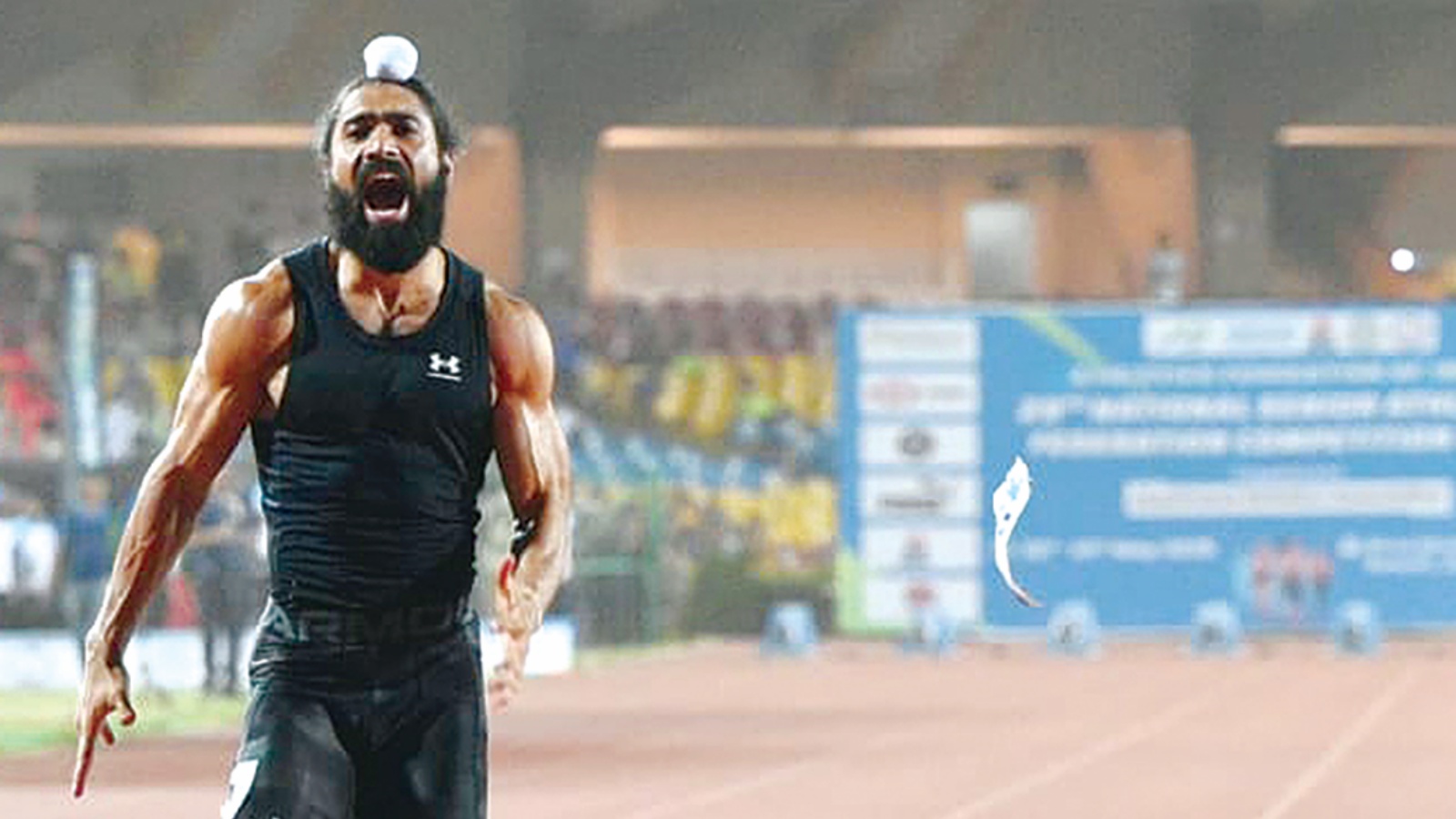
In just over three months, from late February to early June, Indian athletics saw 20 national records broken across various events. These include three new men's 100 metres records in two days, a sub-45 second men's 400 metres, the 8,000-point barrier crossed in decathlon, and a five-decade-old marathon record improved by two seconds.
The records span age groups: 19-year-old Pooja Singh shattered a 14-year-old women's high jump record, while 31-year-old Parul Chaudhary bettered her own 5,000 metres mark. Half a dozen indoor records were also upgraded.
Adille Sumariwalla, spokesperson of the Athletics Federation of India (AFI) and a World Athletics vice president, attributed the surge to a decentralisation model introduced after the 2024 Olympics. This model allows athletes to train outside the national camp, choosing their own coaches and facilities. Private sponsors like Reliance Foundation and JSW Sports have played a key role by providing foreign coaches and training infrastructure.
Domestic competitions have also evolved, with private-sponsored teams now allowed to participate. The men's 100 metres record, for instance, was lowered five times in just over a year, from 10.20 seconds to 10.09 seconds, all by athletes training at the Reliance Foundation with foreign coaches.
James Hillier, Athletics Director at Reliance Foundation, noted that breaking a mental barrier often inspires others: “Once you go past a certain mark, others also follow.”
At national camps, athletes now have freedom in choosing coaches. Vishal KT, the first Indian to run sub-45 seconds in 400 metres, trained under foreign coach Jason Dawson, while other top quarter-milers prefer coach Raj Mohan's methods. “It is no longer one-size-fits-all,” said Manisha Malhotra, president of the JSW Sports-backed Inspire Institute of Sport.
Robert Bobby George of the Anju Bobby High Performance Centre in Bengaluru highlighted that trusting athletes and private support have opened new avenues. “New generation athletes don’t like being controlled. Private players complement the effort of the government and the federation,” he said.
The AFI's Sumariwalla is optimistic about upcoming events like the Commonwealth Games and Asian Games. “We have found cracks in the dam; in time the dam will break,” he said.