15 years on, ZNMD's aspirational travel dream highlights India's affordability gap
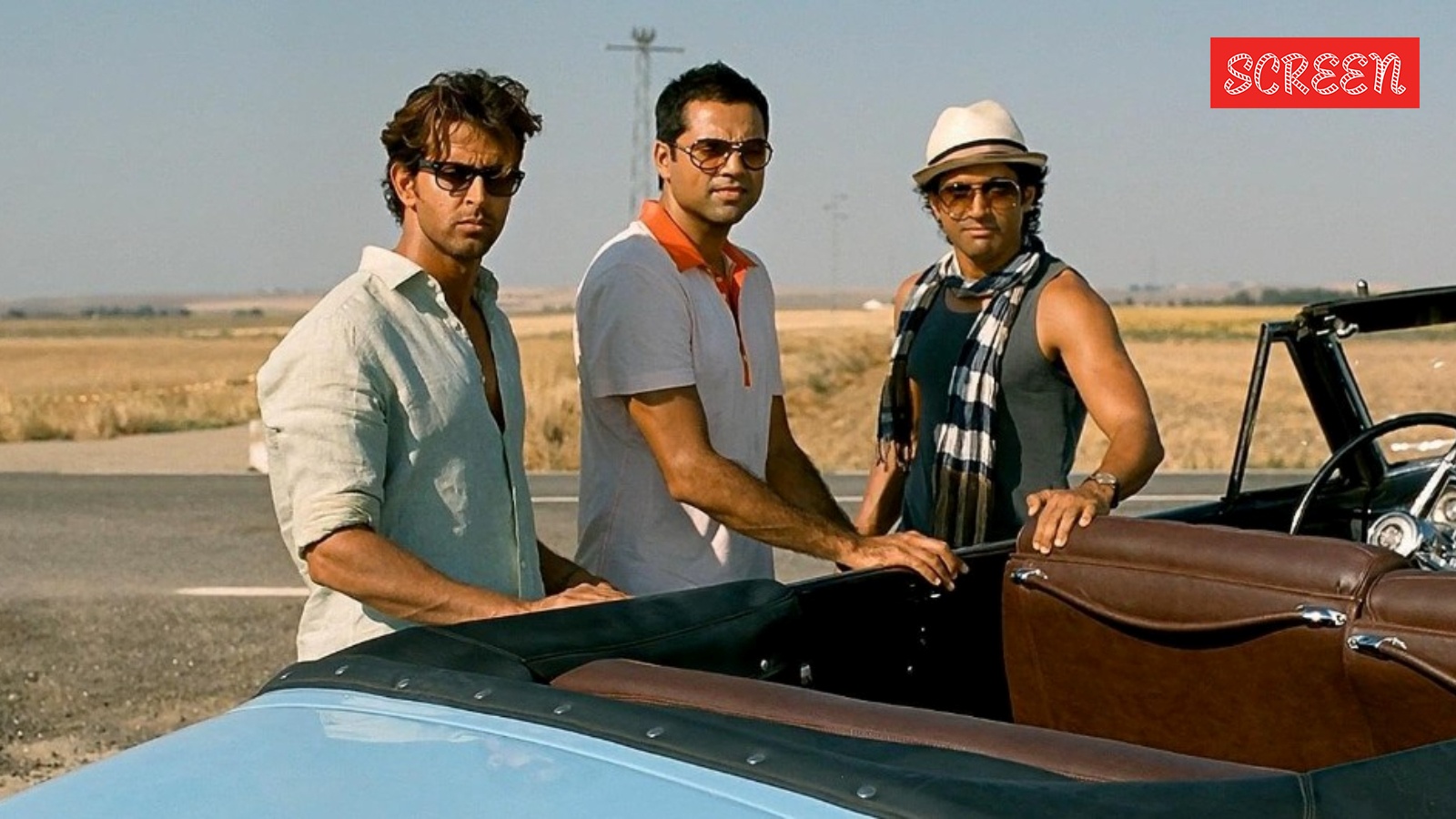
On July 15, 2011, three men who had never quite grown up got on a flight to Spain to find themselves. For a generation exhausted by societal expectations, arranged marriage pressures, and the 9-to-5 grind, Zindagi Na Milegi Dobara (ZNMD) offered a vision of adulthood that was beautiful and aesthetically pristine.
Bollywood had done coming-of-age stories before—Dil Chahta Hai about post-college life, Lakshya about finding purpose. ZNMD presented three men who already had jobs, money, and settled lives, asking what happens when none of that feels sufficient. It was a novel question in Hindi cinema. But the answer it offered—a soul-searching holiday—was not universally accessible, though it was portrayed as such.
Fifteen years on, the film's vision has aged into a more complicated reality. Made on a budget of roughly Rs 55 crore, ZNMD sent its protagonists through Spain for three weeks: a villa and deep-sea diving on the Costa Brava, a tandem skydive, a tomato fight in Buñol, and a bull run in Pamplona. The film called it self-discovery, but did not discuss the cost.
The skydive sequence, set in Seville but actually shot at Empuriabrava, costs around €240 to €300 today—approximately Rs 25,000 at current exchange rates. According to the government's latest labour survey, the average Indian salaried worker earns about Rs 21,000 per month. What Arjun does in one afternoon costs more than a month's income for the average Indian. The film never addresses this disparity.
The characters themselves are not representative of the average Indian. Arjun is a financial trader afraid of running out of money, yet his dilemma is whether to make €4 million by age 40 or 'just be.' Kabir's family runs a construction empire, so his wedding panic is purely emotional, not financial. Imraan, a copywriter, books last-minute flights and high-end accommodation without hesitation. The story is about three men who have already solved financial survival, mistaking their existential concerns for universal ones.
The film never explicitly states that money enables their journey. It is privilege presented as a template for self-discovery. This aspirational model has since been replicated in countless travel and lifestyle narratives, not least on social media. The fantasy has been passed down: millennials watched it in theatres, subsequent generations on phones, inheriting the aesthetic more than the story—and with even less economic means to chase it.
The lifestyle depicted on screen has become more visible and more expected, but no more affordable. The millennials who grew up on ZNMD did not inherit its Spain. They inherited stagnant wages, rising EMIs, and job insecurity. The film's dream, while beautiful, remains out of reach for many—a fact that the story chose not to examine.