Zelenskyy Calls Trump-Putin Diesel Deal 'Obvious Weakness', Warns It Could Prolong War
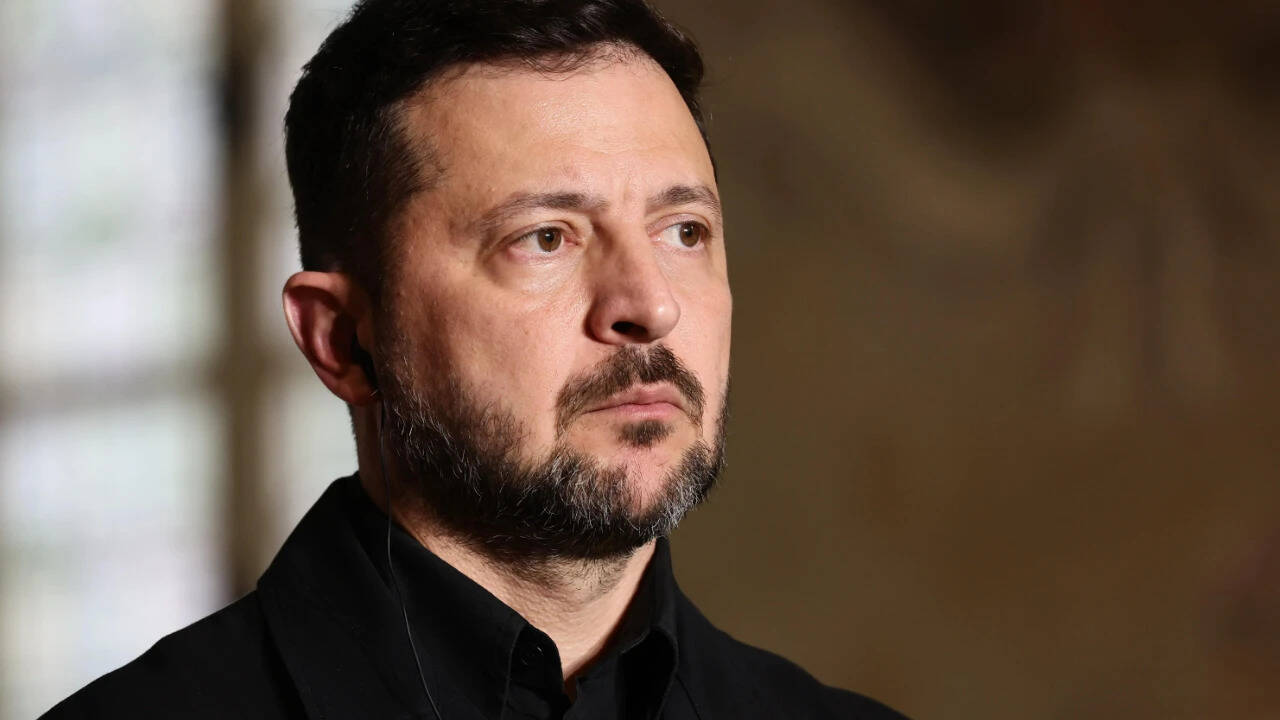
Ukrainian President Volodymyr Zelenskyy has criticised a United States arrangement to purchase diesel from Russia, describing any easing of pressure on Moscow without a firm and lasting de-escalation agreement as an "obvious weakness" that could prolong the war.
His remarks, posted on X on Friday, followed an announcement by US President Donald Trump that Russia would supply more than 300,000 tonnes of diesel immediately, a further 500,000 tonnes in November and one million tonnes "immediately thereafter". Reports link the decision to rising fuel prices in the United States ahead of the midterm elections.
The announcement marks a shift in Washington's approach to Moscow, which has faced wide-ranging sanctions since Russia's full-scale invasion of Ukraine in February 2022. The proposed diesel arrangement and its implications for existing sanctions have not been detailed publicly by the US administration.
Zelenskyy said peace could not be achieved through weakness. "Gifts to Putin will not bring peace or any benefit to the civilised world," he wrote. "Russia will 'repay' the diesel with further terror and perfidy. Allowing Russia to sell petroleum products is an investment in a war that must be ended, not prolonged."
He said a bipartisan delegation from the US Congress had visited Kyiv the same day and asked what was needed to end the war. His answer, he said, was strong sanctions under a bill proposed by US Senator Lindsey Graham, continued support for Ukraine in protecting lives, and sustained pressure on Russia.
Zelenskyy also pointed to a recent European decision to lift sanctions on Russian oligarchs, saying that since then Russian strikes and the suffering of civilians had only increased. He did not specify which measures he was referring to, and the claim could not be independently verified.
Listing recent attacks, he said a Russian missile had struck a residential building in Pryluky, aerial bombs had hit Kramatorsk including ordinary city buses, and there had been repeated strikes on energy and life-sustaining infrastructure in Kyiv, Dnipro, Kharkiv and Odesa. Dozens of people had been killed and hundreds wounded, he said. Such casualty figures, issued by Ukrainian officials, have not been independently confirmed. Russia has previously denied targeting civilians, stating that its strikes are aimed at military and energy infrastructure linked to Ukraine's war effort.
Zelenskyy said Russia was resorting to such attacks because it was struggling to achieve its objectives on the battlefield. "This year, Russia is weaker on the battlefield than at any other point in the war. That is why Putin is relying on terror," he said, adding that Moscow was seeking "backroom deals" to secure relief from pressure and buy more time.
He said Ukraine was ready to take "symmetrical de-escalatory steps" and that the American team was aware of Kyiv's position. Ukrainian strikes on Russian oil refineries, he said, were a response to Russia's years-long campaign against Ukraine's energy sector. "Ukraine will not set Russian oil refineries on fire if Russia does not destroy our energy infrastructure," he said, describing this as a compromise proposal put to the United States.
The exchange reflects a wider debate among Ukraine's allies over how much economic pressure to maintain on Moscow. Those favouring continued or tightened sanctions argue that concessions made without verified de-escalation weaken leverage and reward aggression. Others have argued that limited economic cooperation could create incentives for talks. No verified de-escalation agreement between Russia and Ukraine has been announced.
There was no immediate public response from the Kremlin or the White House to Zelenskyy's remarks.







