Wife can be denied interim maintenance if adultery prima facie true: Supreme Court
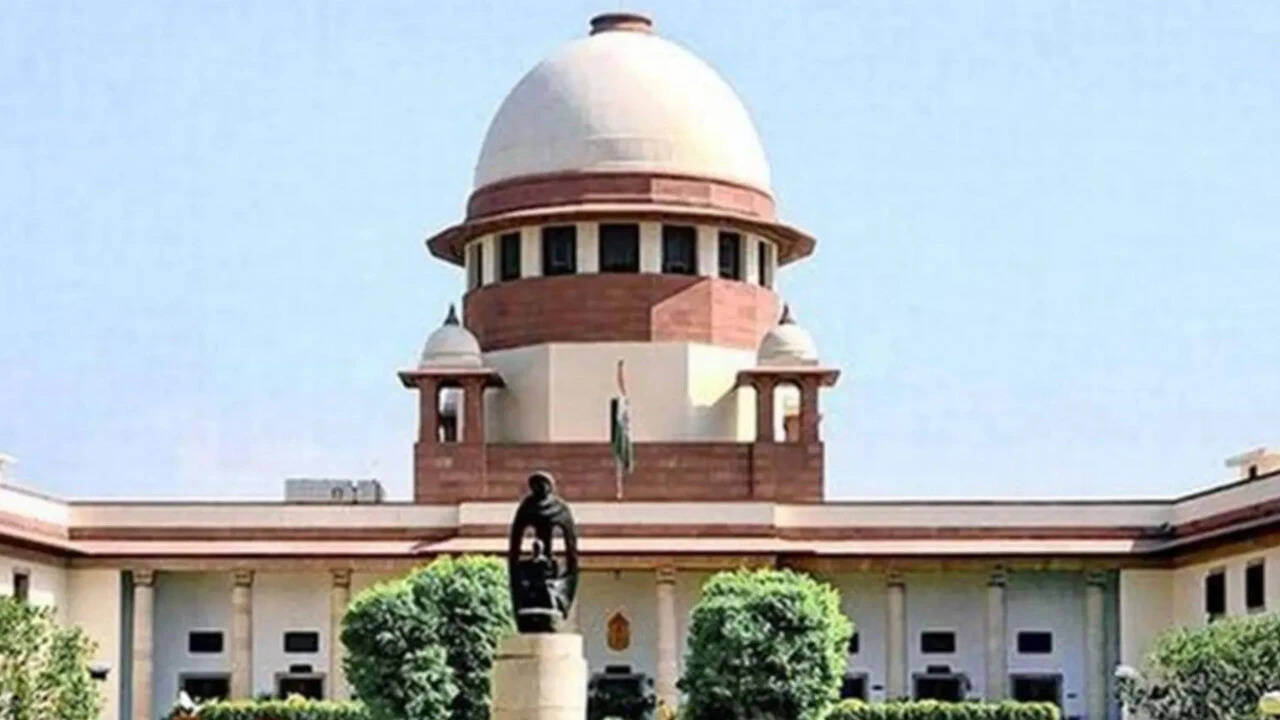
In a significant ruling, the Supreme Court has held that a wife may not be entitled to interim maintenance if the husband's allegation of adultery is prima facie true. A bench of Justices Sanjay Karol and Vipul M Pancholi set aside an order of the Rajasthan High Court that had ruled a wife cannot be denied maintenance during the pendency of the husband's application.
The case arose from a matrimonial dispute where the husband had alleged adultery against his wife and sought divorce. During the pendency of his application, the wife filed for interim maintenance. The Rajasthan High Court had held that the wife must be granted interim maintenance regardless of the adultery allegations, as the final outcome of the case would determine the truth.
However, the Supreme Court took a different view. The bench quashed the High Court's order, stating that if the allegation of adultery is prima facie supported by evidence, the wife cannot claim interim maintenance as a matter of right. The Court emphasised that the purpose of interim maintenance is to provide financial support to a dependent spouse, but it is not an absolute entitlement and can be assessed considering the conduct of the parties.
Legal experts say the judgment clarifies that allegations of adultery, if backed by credible material at the initial stage, can influence the decision on interim maintenance. The ruling does not decide the guilt or innocence of the wife but allows courts to weigh the available evidence before granting temporary financial relief.
Interim maintenance provisions exist under various laws, including the Hindu Marriage Act, 1955 and the Code of Criminal Procedure, 1973, to ensure that a spouse does not face financial hardship during legal proceedings. This judgment introduces a nuanced approach, allowing courts to consider matrimonial misconduct when determining such relief.
The Supreme Court's decision underscores that while the legal system aims to protect the economic interests of a spouse, it cannot ignore serious allegations that may affect the marital relationship. The matter has been remanded back to the family court for fresh consideration, keeping in mind the observations made by the apex court.
This ruling comes amid broader debates on maintenance laws and gender equality. Some legal observers argue that the judgment may deter erring spouses from seeking maintenance without genuine need, while others caution that it could weaken safeguards for women facing financial vulnerability. However, the Court has made it clear that any denial of maintenance would be based on prima facie evidence, not mere accusations.
In the absence of a full text of the judgment, the exact reasoning and legal principles applied remain to be seen. What is evident is that the Supreme Court has reiterated that interim maintenance is neither automatic nor punitive, but a discretionary remedy subject to the facts of each case.