Why the delay? Congress questions 'abnormal gap' in ending Monsoon Session
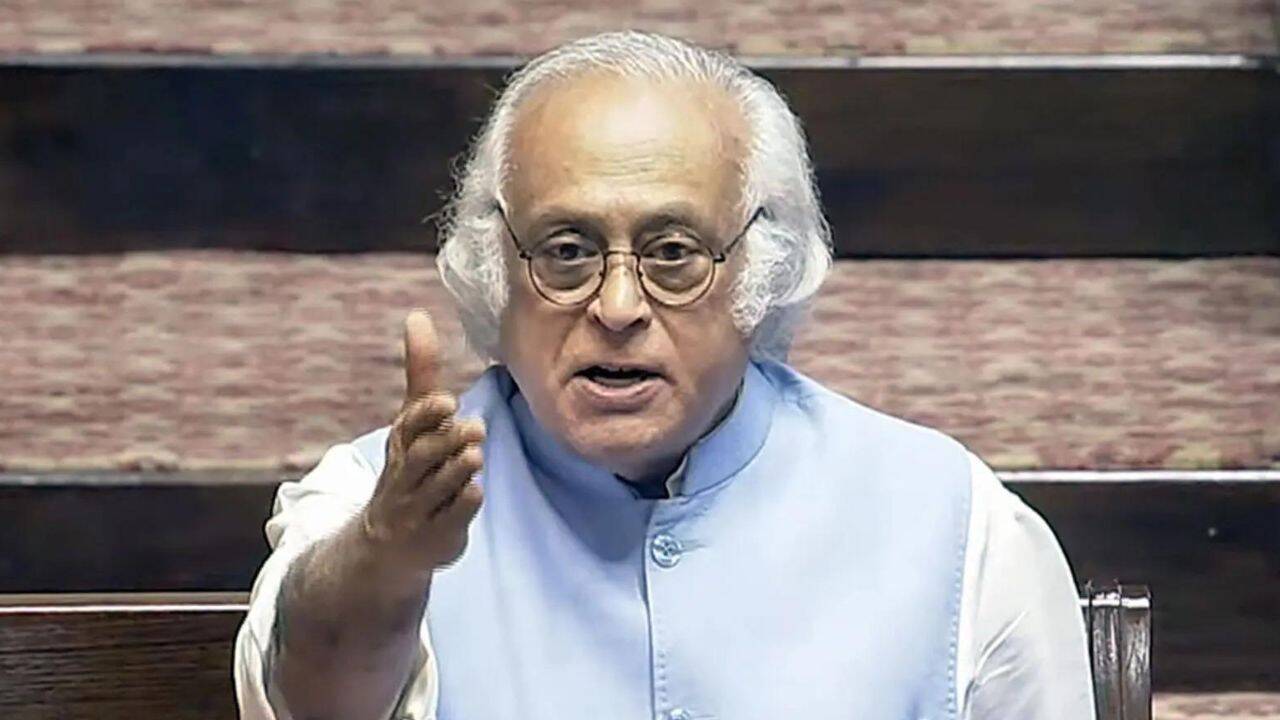
The Congress party has questioned the delay in proroguing the Monsoon Session of Parliament, calling it an “abnormal gap” that requires explanation. The session, which concluded with adjournment sine die earlier this month, has not yet been formally prorogued by the President, as is customary.
Prorogation is a constitutional procedure that formally ends a session of Parliament. It is distinct from adjournment, which merely pauses the sitting. Once a session is prorogued, the President issues a notification to that effect, and any pending business is carried over to the next session. The process also clears the way for committees and procedural deadlines to reset.
In a statement, Congress leaders pointed out that the gap between the adjournment and prorogation is unusually long. “Why this abnormal gap?” they asked, demanding clarity on the reasons behind the delay. The party has sought to know whether the government is intentionally deferring prorogation for political or administrative reasons, or if there is a procedural lapse.
The Monsoon Session, which typically runs from July to August, saw a truncated schedule this year due to the ongoing pandemic and other logistical challenges. The session witnessed several key legislative debates, but a number of bills remain pending. Parliamentary norms suggest that prorogation should follow within a few days of sine die adjournment, though there is no fixed timeline in the rulebook.
The delay has prompted speculation among political observers about possible implications. Some note that pending legislation might require fresh introduction if the session is not prorogued in time, though such interpretations vary. Others point out that prorogation is often delayed when the government is planning to issue ordinances or when it wants to avoid the automatic lapse of certain resolutions.
The government, for its part, has not yet issued an official response to the Congress’s query. Sources familiar with parliamentary procedures indicated that such delays are not unprecedented, but they declined to speculate on the specific reasons in this case. The Ministry of Parliamentary Affairs, which handles such matters, has remained silent.
Political analysts say the Congress’s questioning reflects a broader pattern of opposition parties scrutinising procedural deviations in Parliament. They argue that transparency in parliamentary functioning is essential for democratic accountability, especially when deviations occur.
The last session of Parliament was the Budget Session, which was prorogued within a week of its conclusion. The current gap has drawn attention precisely because it exceeds that recent precedent. However, officials have pointed out that the President’s schedule and other administrative factors can influence the timing.
As the wait continues, the Congress has indicated it may raise the matter in the Business Advisory Committee or through a point of order when Parliament reassembles. The party has also asked for the dates of the next session to be announced to provide clarity on the legislative calendar.
The delay in prorogation may seem procedural, but it carries constitutional significance. Prorogation ends the session and allows Parliament to begin fresh with a new agenda. Until that formal step occurs, the two houses remain in a state of suspension, with their committees unable to finalise reports and certain deadlines left in limbo.
For now, the central question remains: why the delay? The Congress has posed it directly, and the government has yet to answer. In a functioning democracy, such questions deserve a clear and timely response.







