Why Global AI Governance Matters: Insights from India's Expert on UN Panel
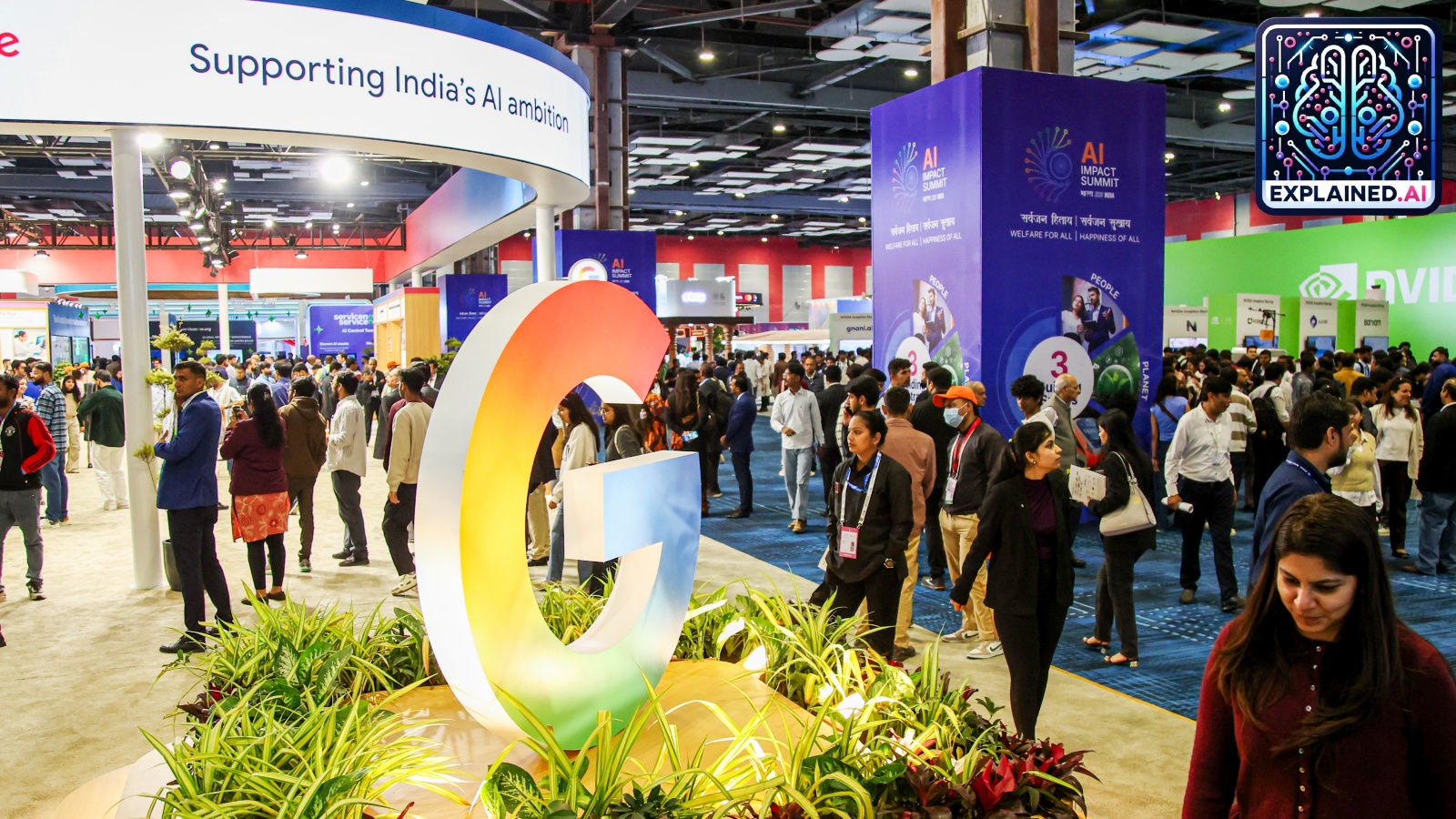
The rapid advancement of artificial intelligence (AI) is reshaping daily life and industries worldwide. In response, global institutions are emerging to guide its development. Last year, the United Nations General Assembly established a Global Dialogue on AI, inviting all nations to participate. An Independent International Scientific Panel on AI (IISPAI) has been tasked with providing scientific assessments to inform these discussions.
Professor B Ravindran, head of the Centre for Responsible AI at IIT Madras, is the sole Indian among 40 experts appointed to IISPAI for a three-year term. In an interview, he explained the need for global AI governance, its significance for developing countries like India, and the potential for a shared AI commons.
Ravindran described IISPAI's role: "This is the first global scientific body on AI. We produce reports on scientific aspects, not politics or policy. That is for the Global Dialogue where governments participate."
On why global governance is necessary, Ravindran noted that fragmented national regulations could slow innovation. "If every country has differing rules, AI development becomes fragmented. Companies may focus on friendlier jurisdictions." He also warned that data sovereignty demands could concentrate power among nations with existing AI infrastructure.
For developing countries, the stakes are high. "Many in Asia or Africa lack resources to frame robust regulations. Without global minimum standards, they risk becoming digital colonies," he said. AI's transformative power, akin to the steam engine, must benefit all humanity, he added.
International agreements, Ravindran argued, can protect interests of non-developer nations while ensuring shared benefits. The panel's work aims to provide the scientific foundation for such agreements.