WHO admits Ebola outbreak in DR Congo began months earlier than declared
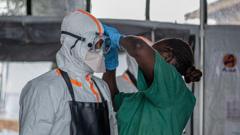
The World Health Organization (WHO) has acknowledged that the current Ebola outbreak in the Democratic Republic of Congo (DRC) began at least three months before it was officially declared, meaning containment efforts are still lagging behind the virus. The warning came as the death toll surpassed 1,900, making this the second-deadliest Ebola epidemic in history.
According to Dr Mohamed Janabi, WHO's Regional Director for Africa, the virus has been spreading faster than the response. “We are chasing the virus, the virus is ahead of us,” he told reporters in Bunia, a city at the epicentre of the outbreak.
The first cases are believed to have emerged in February, but were initially misdiagnosed as malaria or typhoid, allowing the disease to take hold undetected. The official declaration was made on 15 May, by which time the virus had already established itself in several communities in eastern DRC.
The epicentre of the outbreak is in a region plagued by insecurity, where armed groups and violence have severely impeded health workers' access to affected areas. Dr Janabi said that because of this instability, health teams are reaching only about 30% of the cases, with many patients dying at home without medical care.
This outbreak is caused by the Bundibugyo species of the Ebola virus, which differs from the better-known Zaire strain that was responsible for the 2014-2016 West Africa epidemic. There is currently no approved vaccine or recognised therapeutic treatment specifically for this species, making it harder for doctors to save infected patients.
Beyond the logistical and security hurdles, health authorities are also contending with cultural and social factors. Traditional burial practices, where mourners come into direct contact with the deceased, have been a significant route of transmission. In addition, a deep-seated suspicion of health workers and government authorities in some communities has led to delays in reporting symptoms and resistance to treatment.
Despite these challenges, there are signs of progress. Several dedicated Ebola treatment centres have been set up in the eastern part of the country, and diagnostic times have been substantially reduced. This means that patients are now being identified and isolated much more quickly than earlier in the outbreak.
The DRC's health ministry reports 4,294 confirmed cases and 1,960 deaths since the outbreak was declared. While the numbers are alarming, they remain far below those of the West Africa outbreak of 2014-2016, which killed 11,325 people and infected more than 28,000.
WHO officials stress that the fight is not over. The agency is working closely with the DRC government and international partners to scale up surveillance, community engagement, and vaccination efforts for other Ebola species. However, until security in the region improves and communities fully trust health workers, the risk of the virus spreading further remains high.
Dr Janabi underscored the urgency, saying that the international community must not become complacent. “Every day matters. We need to stay ahead of this virus, but for now, it is still ahead of us.”