Western Ghats Conservation Plan: Why Six States Are Opposing the Ecologically Sensitive Area Proposal
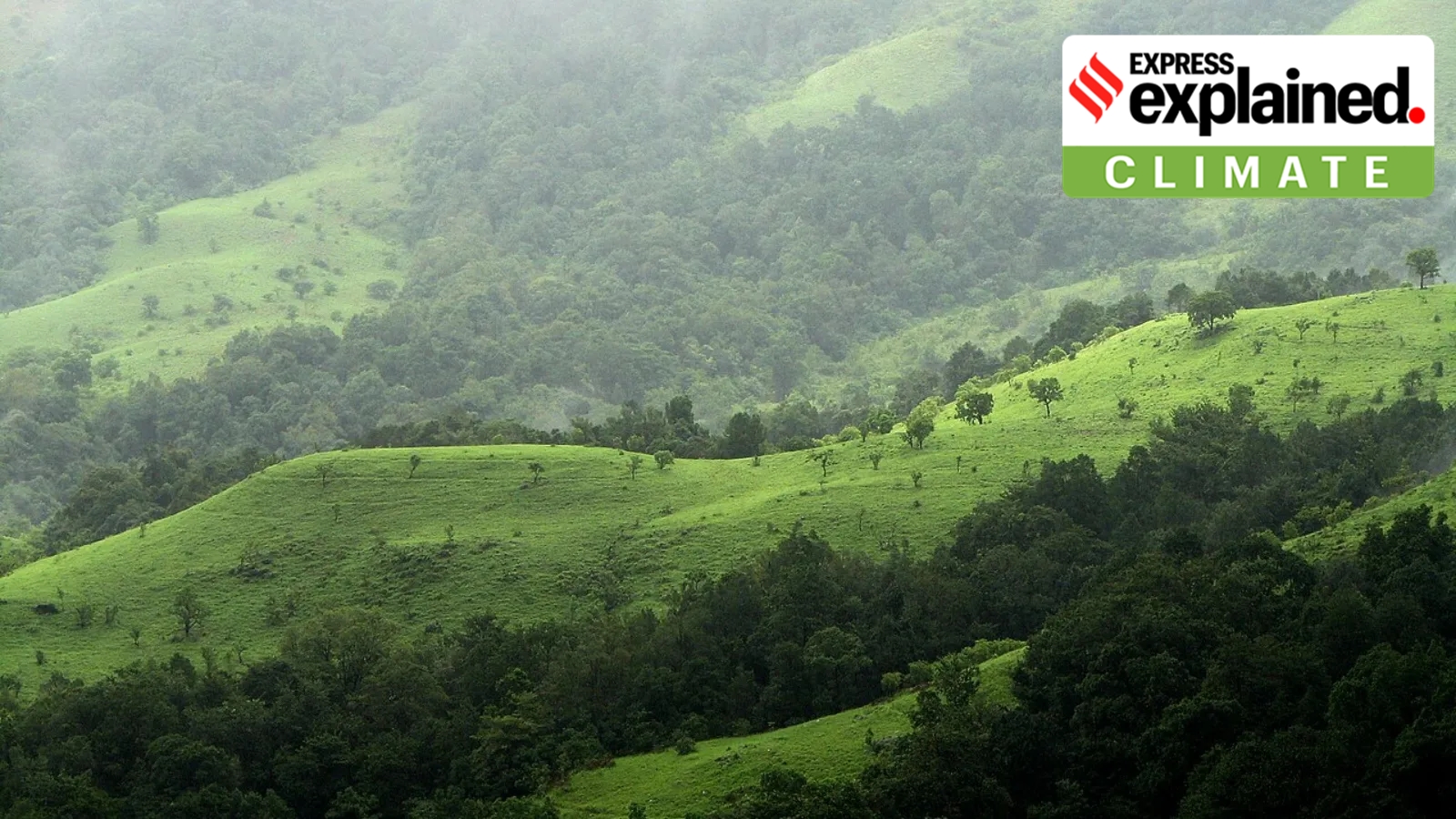
The Western Ghats, a 1,500-km mountain range along India's western coast, is a globally recognized biodiversity hotspot. Unlike the Himalayas, it is densely populated and supports agriculture and cash crops, making it an economic hub for six states: Gujarat, Maharashtra, Goa, Karnataka, Kerala, and Tamil Nadu.
A proposed Ecologically Sensitive Area (ESA) designation, aimed at protecting the fragile ecosystem, has faced prolonged opposition from these state governments. The ESA plan originated from two expert panels: the Madhav Gadgil-led panel (2011) and the Kasturirangan-led high-level working group (2013). The Gadgil panel recommended designating the entire Western Ghats as ESA with strict restrictions, while the Kasturirangan panel proposed a more targeted approach, identifying 60,000 sq km of 'natural landscape' for ESA status, with bans on mining, polluting industries, and large construction.
The central government accepted the Kasturirangan panel's recommendations in principle in 2013 and issued a draft notification demarcating 56,825.7 sq km as ESA. However, state governments raised concerns over the economic impact of restrictions. Consequently, six draft notifications have been issued since 2014, with the latest on July 31, 2024, valid until July 2026. This notification introduced a provision for phased or state-wise finalization to avoid delays where consensus exists.
In 2022, the Ministry of Environment constituted a fresh expert committee under Sanjay Kumar, former Director General of Forests, to re-examine state objections. The committee has held multiple meetings with state representatives, but disputes over the extent of ESA and permissible activities remain unresolved. Key sticking points include the inclusion of agricultural and plantation areas, and the impact on local economies.
The ESA plan aims to balance conservation with sustainable development, but the lack of consensus has delayed its implementation for over a decade. The Western Ghats, home to numerous endemic species and critical water sources, continue to face pressures from development and climate change.