West Bengal to Drop Cases Against NEET Protesters, Except Those with Criminal Records, After SC Order
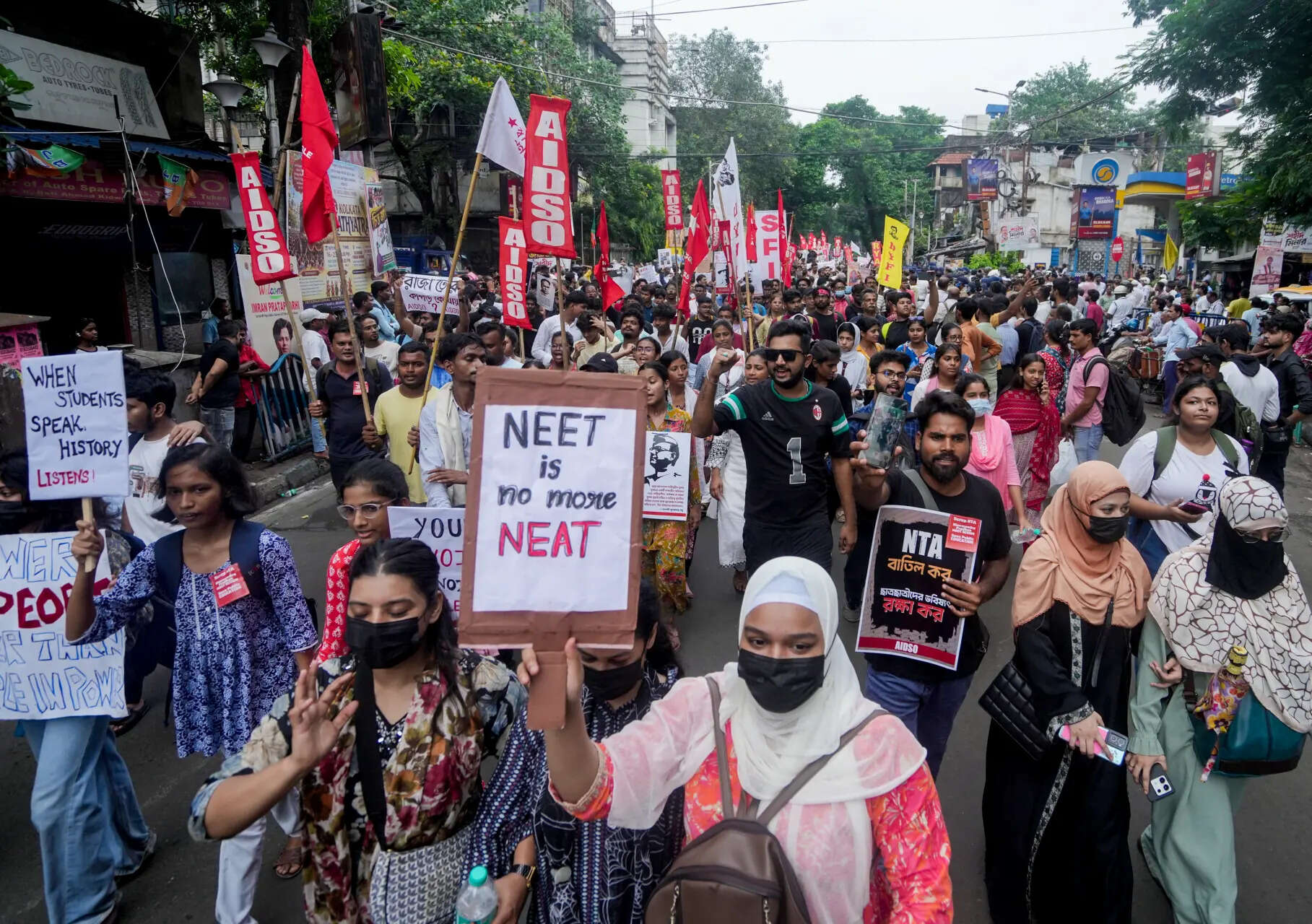
The West Bengal government has announced that it will not pursue legal action against individuals who participated in protests related to the National Eligibility cum Entrance Test (NEET), except for those with criminal records. This decision follows an order from the Supreme Court of India.
The state government's clarification came in response to widespread protests across West Bengal over alleged irregularities in the NEET-UG 2024 examination. Demonstrators had called for a re-examination and better transparency. The Supreme Court, in its interim order, directed authorities to ensure that peaceful protesters are not penalised, while noting that any criminal elements involved must be dealt with according to law.
West Bengal Chief Minister Mamata Banerjee, in a statement, said that the government respects the Supreme Court's directive. “We will not take action against genuine protesters who expressed their concerns peacefully. However, those with criminal records or who were involved in violence will face legal consequences as per the law,” she stated.
The decision is seen as an attempt to balance constitutional rights to peaceful protest with the need to maintain public order. Legal experts have noted that the government's move aligns with the Supreme Court's emphasis on protecting democratic dissent while ensuring accountability for unlawful acts.
Opposition parties in the state have welcomed the announcement but urged the government to ensure that no innocent protester is harassed. Some have also demanded a clear definition of 'criminal record' to prevent misuse. The state government has said it will issue detailed guidelines shortly.
The NEET controversy earlier this year led to large-scale demonstrations, with students and parents demanding a probe into alleged irregularities in the exam conducted by the National Testing Agency (NTA). The Supreme Court is currently hearing petitions related to the matter and has reserved its final judgment.
Civil society groups have called for a fair and transparent resolution to the issue, emphasising that the future of thousands of medical aspirants is at stake. The West Bengal government's assurance is likely to calm tensions, but the core demand for a re-examination remains unaddressed.
As the legal process continues, all eyes are on the Supreme Court's final verdict, which is expected to set a precedent for handling similar mass protests in the future.