West Asia crisis pushes crude higher, may strain India's fiscal and current account deficits: Finance Ministry
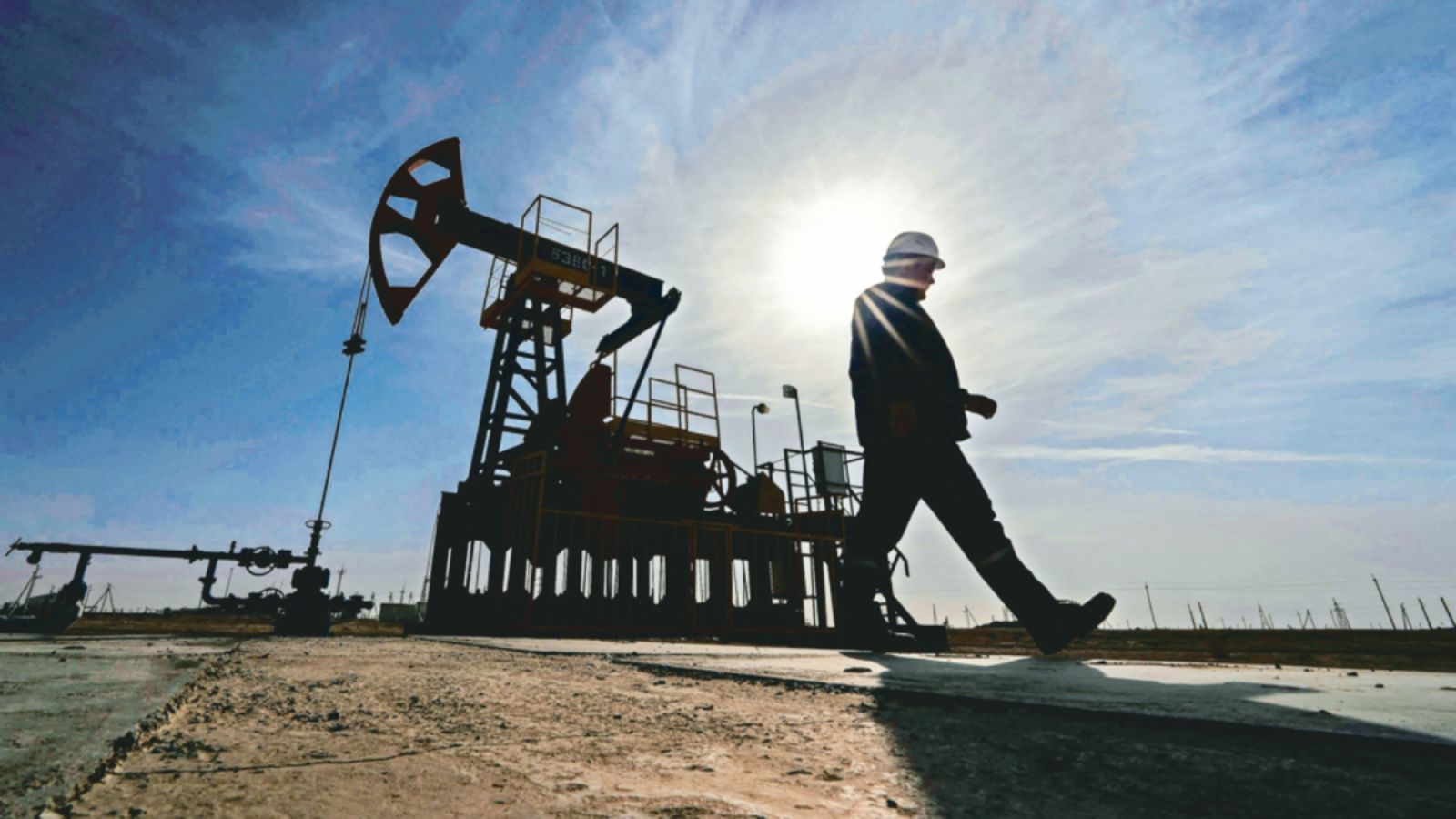
In its monthly economic review for July, the Ministry of Finance has warned that the ongoing conflict in West Asia poses significant risks to India's economy. Rising global crude oil prices, if sustained, could pressure the financing of both the fiscal deficit and the current account balance, potentially widening deficits and stoking inflation.
The review noted that industrial commodity prices, including critical minerals and rare earth elements, have remained elevated throughout July. It highlighted concentration risks in India's supply chains, citing flooding in Chile, a key copper supplier, as an example.
Despite global uncertainties, the ministry said India's economic outlook is supported by resilient domestic fundamentals, continued policy support, and strengthening structural growth drivers. It pointed to structural reforms and infrastructure investments over the past decade as factors contributing to growth resilience.
On the external front, the ministry noted strong export performance, a sustained services surplus, and robust remittance inflows have supported the current account. Recent policy measures are expected to strengthen capital inflows, and with comfortable foreign exchange reserves, these developments should help preserve external sector stability.
The review emphasised the need for swifter policy responses to encourage foreign and domestic investment, noting that global developments around artificial intelligence and supply chain weaponisation highlight the distance India must travel to achieve long-term resilience and strategic leverage.
Crude oil prices, which had declined below pre-conflict levels, have risen again in July, though the increase remains contained compared to the initial spike. India's crude oil import bill surged over 60% year-on-year in the first quarter of FY27, even as import volumes dipped slightly due to supply tightness and elevated prices caused by the West Asia crisis and restricted energy flows through the Strait of Hormuz.
The partial pass-through of higher global oil prices to domestic retail fuel prices since mid-May 2026 was evident in June, with inflation in diesel, petrol, and CNG rising to 8.4%, 7.5%, and 6.2%, respectively. However, the pass-through to passenger transport fares remained moderate, and airfare inflation moderated in June after a sharp rise in May.
Citing SBI Research, the ministry noted that India's oil consumption-to-GDP ratio and crude oil imports-to-GDP ratio have declined from FY14 to FY26, partly due to accelerating EV adoption, energy efficiency gains, and shifts in GDP composition. Average monthly EV registrations rose to 2.3 lakh in March-June 2026, roughly 1 lakh higher than the 2025 monthly average. If EV penetration, which has crossed 8% of total vehicle registrations in 2026, reaches 20% by 2030, it could reduce India's annual oil import bill by around Rs 1 lakh crore, according to the SBI note.