Wall Street's $10 Billion Bet on Indian Hospitals Sparks a Fight Over Who Pays
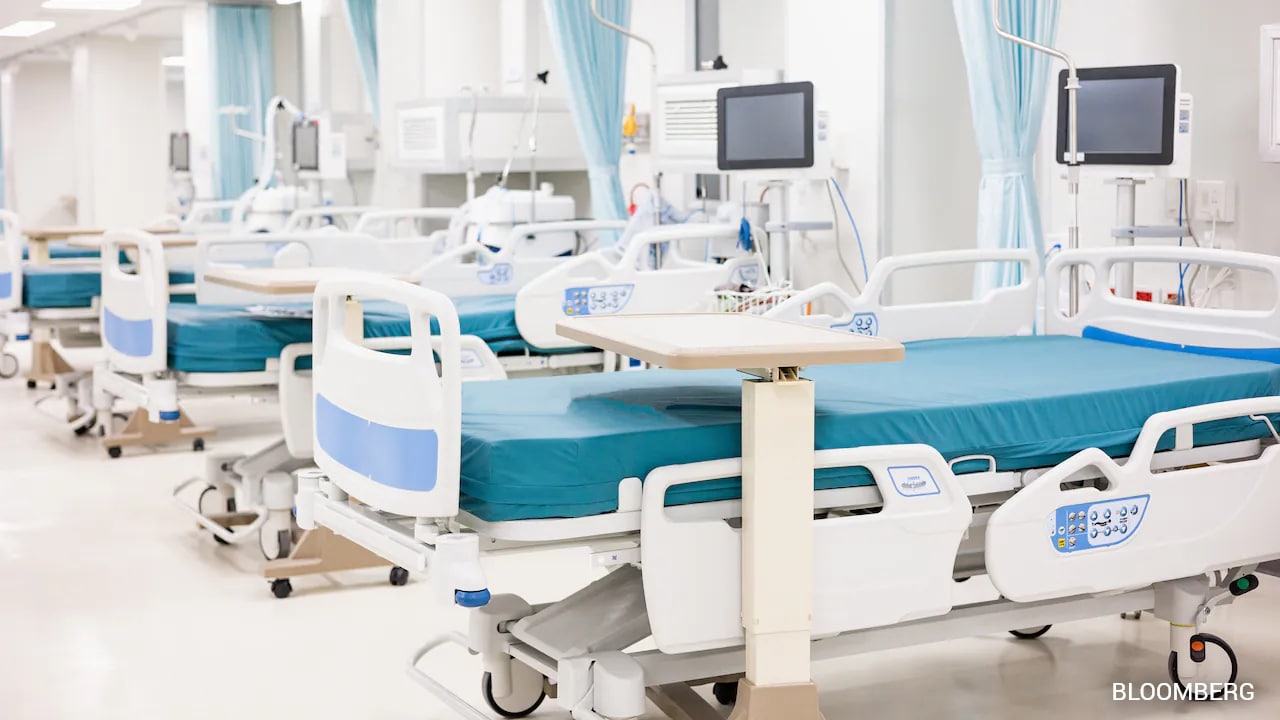
Global private-equity firms have invested about $10 billion in Indian hospital chains over the past five years, according to data compiled by EY, making the country one of the world's most active markets for private-equity-driven hospital consolidation. The money has financed new facilities, expensive medical technology and a wave of mergers. It has also triggered a debate over who eventually picks up the bill.
Blackstone, KKR, TPG, General Atlantic and other global investors have bought stakes in hospital chains across India. Private-equity-backed operators account for less than 5% of the country's hospital beds, but they have a prominent presence in high-margin specialties such as cardiac surgery and cancer care. Hospital revenue and valuations have surged, generating substantial returns for some investors.
The investment case was compelling on paper. India has only about 1.3 hospital beds per 1,000 people, far below the levels in many developed economies. At the same time, demand for cancer care, cardiac treatment and other specialised services has risen as incomes increase and life expectancy improves. In 2021, policymakers identified about 600 hospital projects requiring roughly $32 billion of investment. Investors saw a sector that needs heavy up-front capital but can generate long-term cash flows, and a fragmented network of standalone hospitals that could be combined into national chains.
That growth has drawn scrutiny. In August, a parliamentary committee took aim at the economics of the private hospital boom, warning that an "unchecked influx of foreign capital" was facilitating acquisitions of cost-effective, midsize hospitals by large corporate groups. It recommended reconsidering foreign investment rules for healthcare, examining price caps and creating a regulator for hospitals.
The criticism echoes growing tension between hospitals and insurers. Insurers say private providers, including PE-backed chains, are inflating bills and pushing patients towards high-cost procedures. Hospital operators say delayed insurer payments and inadequate reimbursement rates are squeezing operating margins.
"The biggest change in Indian healthcare hasn't happened in the operating theatre — it's happened in the boardroom," said Joseph Benaven, managing director of Kanate Hospitals in Kerala and a former president of the Indian Medical Association's state unit. "Increasingly, hospitals are judged by return on capital and revenue per occupied bed."
The pace of consolidation is visible in individual deals. Before KKR & Co.'s investment in Baby Memorial in July 2024, the Kerala-based hospital operator was a roughly 1,000-bed unit. Within two years it had already surpassed its pretax earnings target, reaching 6 billion rupees ($62.6 million) in fiscal 2026, largely driven by acquisitions, according to a person familiar with the matter who asked not to be named because the information is private. KKR is expanding further: in August it agreed to acquire the Indian operations of Swedish hospital chain Medicover AB for $1.4 billion, a deal that will nearly double the number of hospital beds it owns in southern India to 10,000.
The debate in India mirrors questions that lawmakers and insurers in the United States have grappled with for years. The central issue is whether private capital can expand healthcare capacity without putting the service beyond the reach of ordinary patients.
The parliamentary committee's recommendations — tighter scrutiny of foreign investment, possible price caps and an independent regulator — now rest with policymakers. Hospital chains, meanwhile, argue that regulatory certainty is needed if investment in beds and equipment is to continue.
India's shortage of hospital beds is not in dispute. What remains contested is how the cost of closing that gap will be shared among investors, insurers, the government and patients.







