VB G RAM G scheme generates over 9.69 crore person-days in one month, Parliament told
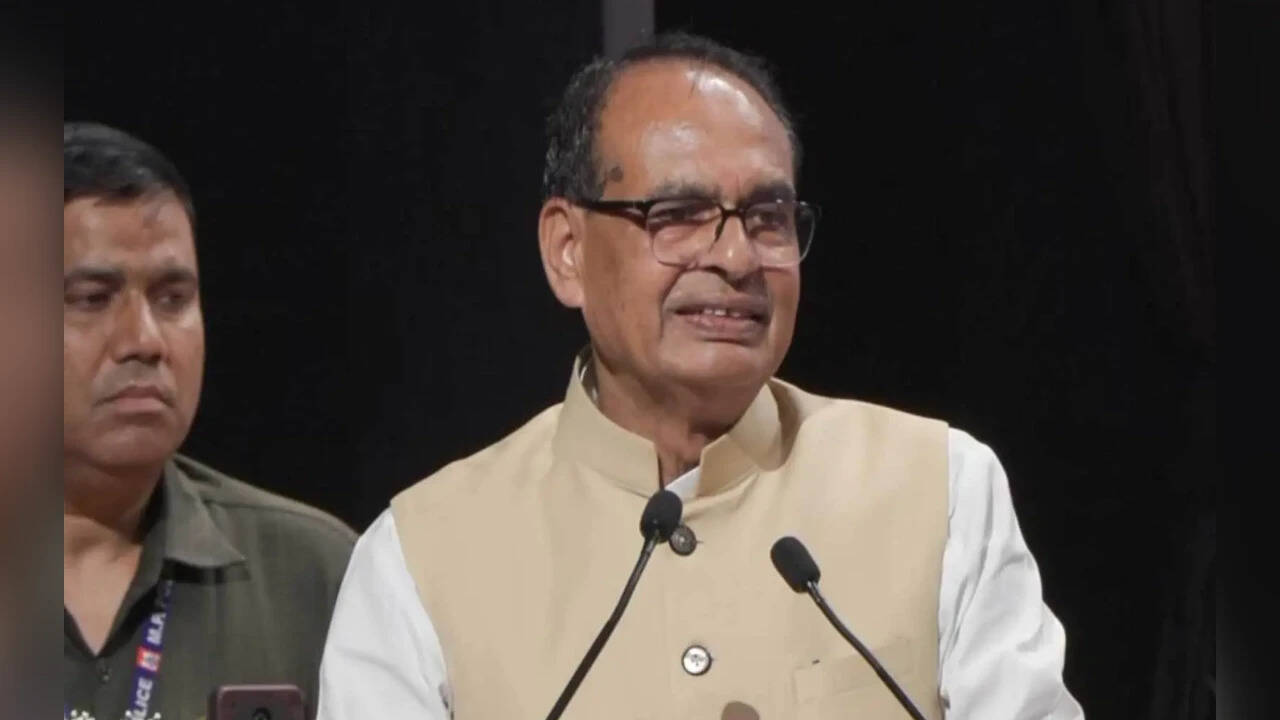
New Delhi: The Union government told the Lok Sabha on Thursday that the VB G RAM G scheme, implemented in rural areas across the country, has generated more than 9.69 crore person-days of employment within a month of its rollout. The information was provided by Union Minister for Agriculture and Farmers Welfare Shivraj Singh Chouhan in a written reply to a question in the lower house of Parliament.
A person-day is a unit of measurement that represents the amount of work done by one person in a single day. The generation of 9.69 crore person-days indicates that a large number of rural residents have received employment under the scheme in a short span of time. This, officials say, reflects the scheme's rapid acceptance and effective implementation on the ground.
The minister stated that the VB G RAM G scheme has been implemented in rural areas of the entire country. He further said that the scheme is a part of the government's commitment to ensuring livelihood opportunities and holistic development in rural India. The rollout, according to him, has been smooth, with states and union territories cooperating in mobilising beneficiaries and undertaking works.
The reply did not specify the exact states where the maximum number of person-days were generated, nor did it provide a break-up of the types of works undertaken under the scheme. However, the minister assured the House that the government is continuously monitoring the implementation and will take necessary steps to address any challenges that may arise.
The VB G RAM G scheme is seen as an important initiative in the rural employment landscape, complementing existing programmes such as the Mahatma Gandhi National Rural Employment Guarantee Act (MGNREGA). While MGNREGA guarantees 100 days of wage employment per rural household per year, the new scheme aims to create additional work opportunities and improve rural infrastructure through community-driven projects.
Officials familiar with the scheme, speaking on condition of anonymity, suggested that the focus is on asset creation in villages, including water conservation, road connectivity, and sanitation. These activities not only provide immediate wage employment but also contribute to long-term rural prosperity.
The government's response comes amid ongoing debates in Parliament about rural distress and unemployment. Some opposition members have sought details on the implementation and funding of the scheme, demanding transparency in the allocation of resources. The minister's reply, however, did not address these concerns directly, focusing instead on the positive outcome of the first month.
Rural development experts have welcomed the generation of over 9.69 crore person-days but caution that the sustainability of such schemes depends on consistent funding and timely payment of wages. They also stress the need for regular audits to ensure that the benefits reach the intended beneficiaries without leakage.
The VB G RAM G scheme, which was launched recently, is being implemented across all states and union territories. The government has emphasised that it will work in tandem with other rural development initiatives to maximise impact. More details about the scheme, including its full form and budgetary allocation, are awaited as the government is expected to release further reports in coming months.







