US visa cap on international students may cause substantial economic loss, study warns
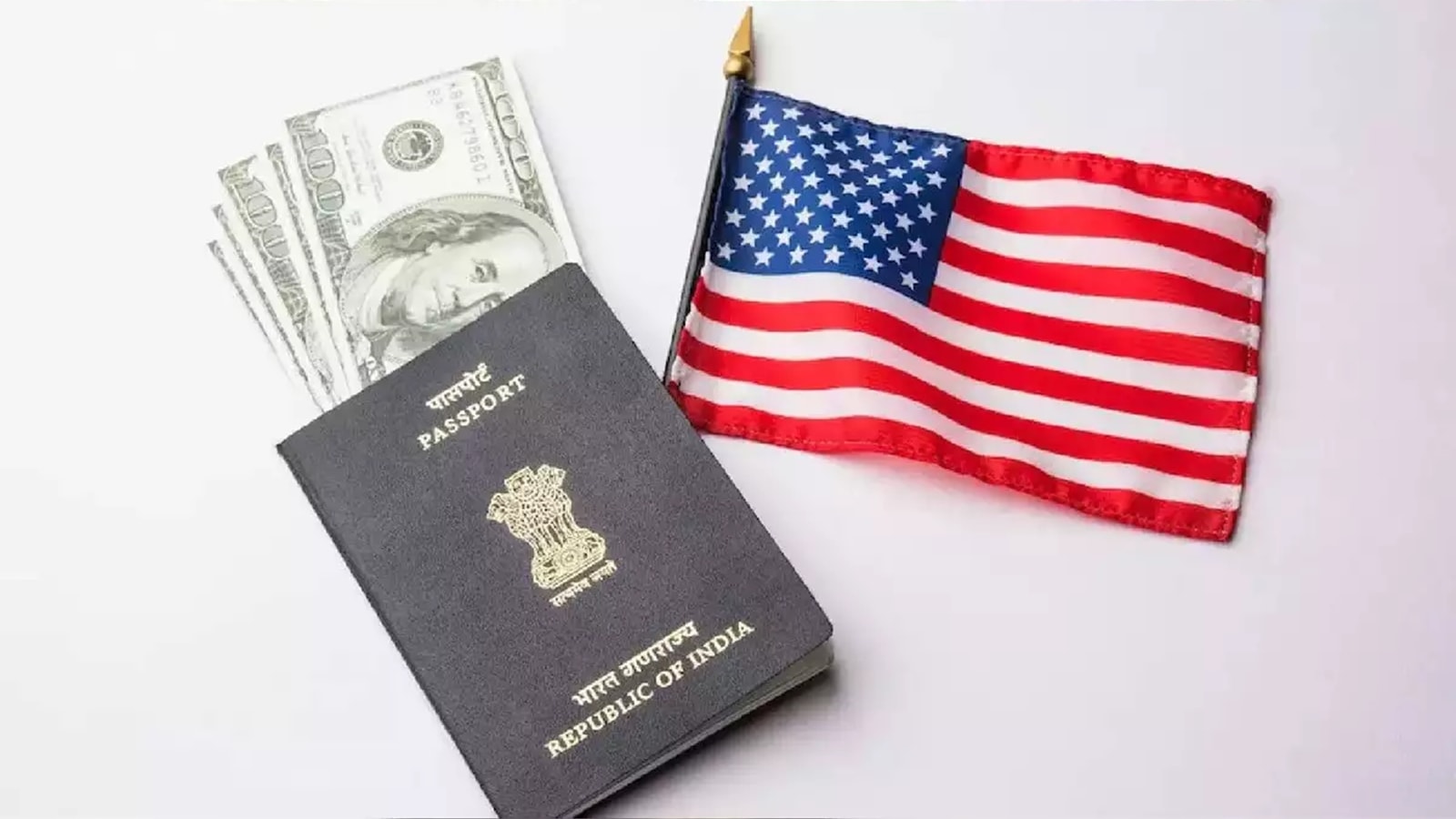
The United States has implemented new visa regulations that cap the stay of international students at a maximum of four years. This change primarily affects students on F-1 visas, which are non-immigrant visas for academic studies, and M-1 visas for vocational or non-academic programmes. The rule mandates an automatic transition to the new system, imposing fixed admission deadlines and requiring students to apply for extensions if their degree programmes exceed four years.
A study by the Peterson Institute for International Economics estimates that these changes could result in economic losses ranging from $200 billion to $400 billion for the US economy. The study highlights that the restrictions may discourage many international students from staying in the US after graduation to work, and could lead to delays in processing routine extensions needed for longer courses.
The F-1 visa programme has long been a key avenue for international students to study in the US, and many graduates have contributed to the workforce through Optional Practical Training (OPT) or employer-sponsored visas. The new cap limits this pathway, potentially reducing the talent pool for US companies and impacting innovation and economic growth.
Critics argue that the policy may harm US competitiveness by making it less attractive for top global talent. Supporters, however, maintain that the measures are necessary to ensure compliance with immigration laws and prevent overstays. The full economic impact will depend on how strictly the rule is enforced and whether extensions are granted efficiently.