US Unveils Phased Tariffs on Generic Drugs: Up to 200% by 2029; India's Pharma Exports at Risk
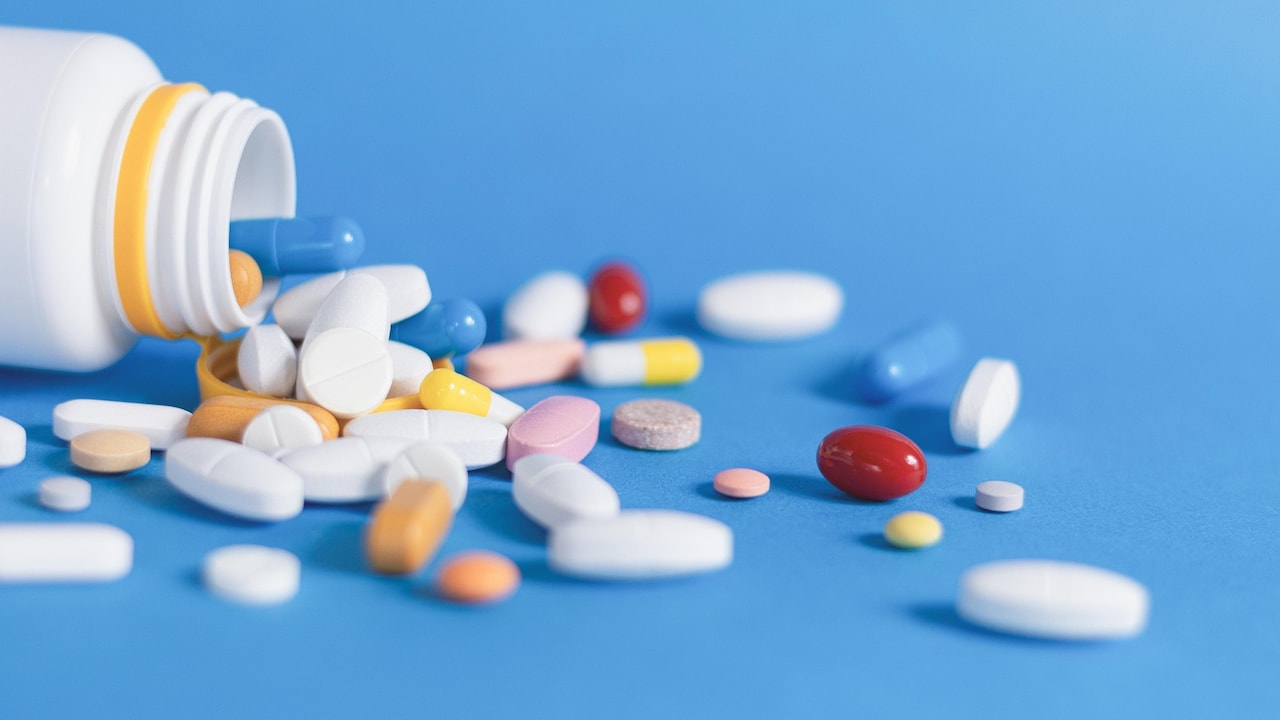
The United States has announced a phased tariff plan on imported generic drugs, starting with zero per cent for two years, then increasing to 100 per cent in the third year and 200 per cent thereafter. The measure, outlined by US President Donald Trump on his Truth Social platform, is aimed at bringing pharmaceutical production back to American soil. The move is likely to significantly impact India, the world's largest exporter of generic medicines to the US.
According to Trump's post, the tariff schedule will begin on August 1, 2026. For the first two years, all generic drugs entering the US will be duty-free. In the third year, a 100 per cent tariff will apply, followed by a permanent 200 per cent tariff from the fourth year onward. Trump stated that this policy is intended to 'reshore generic pharmaceutical production into America' and penalise companies that do not build manufacturing plants within the given timeframe.
India supplies nearly 40 per cent of generic medicines by volume to the US, including drugs for hypertension, diabetes, cancer, and mental health conditions. In financial year 2024-2025, India exported $9.7 billion worth of pharmaceuticals to the US, accounting for 38 per cent of its total pharma exports, according to a report by the Global Trade Research Initiative. The tariff plan threatens to disrupt this trade, potentially raising costs for American patients and impacting Indian pharmaceutical companies.
The announcement follows a February 2025 trade pact between India and the US, under which India was to receive 'negotiated outcomes with respect to generic pharmaceuticals and ingredients.' It remains unclear how this agreement will interact with the new tariff plan. Previous threats by Trump to impose tariffs on pharmaceutical imports had already raised concerns about the future of affordable generic drugs in the US. A Financial Post report noted that in 2024, about 65 per cent of birth control pill prescriptions in the US were manufactured by two Indian firms: Glenmark Pharmaceuticals and Lupin.
Trump clarified that the tariff plan applies only to generic drugs, while the existing policy on patented, branded, or innovative drugs will remain unchanged. The phased approach gives companies time to adjust, but the steep escalation to 200 per cent is seen as a strong incentive to shift production. Indian industry bodies are expected to seek clarity from their government on how to respond, as the tariffs could erode India's competitive edge in the generic drug market.