US Supreme Court Strikes Down Trump’s Birthright Citizenship Order, Upholds 14th Amendment
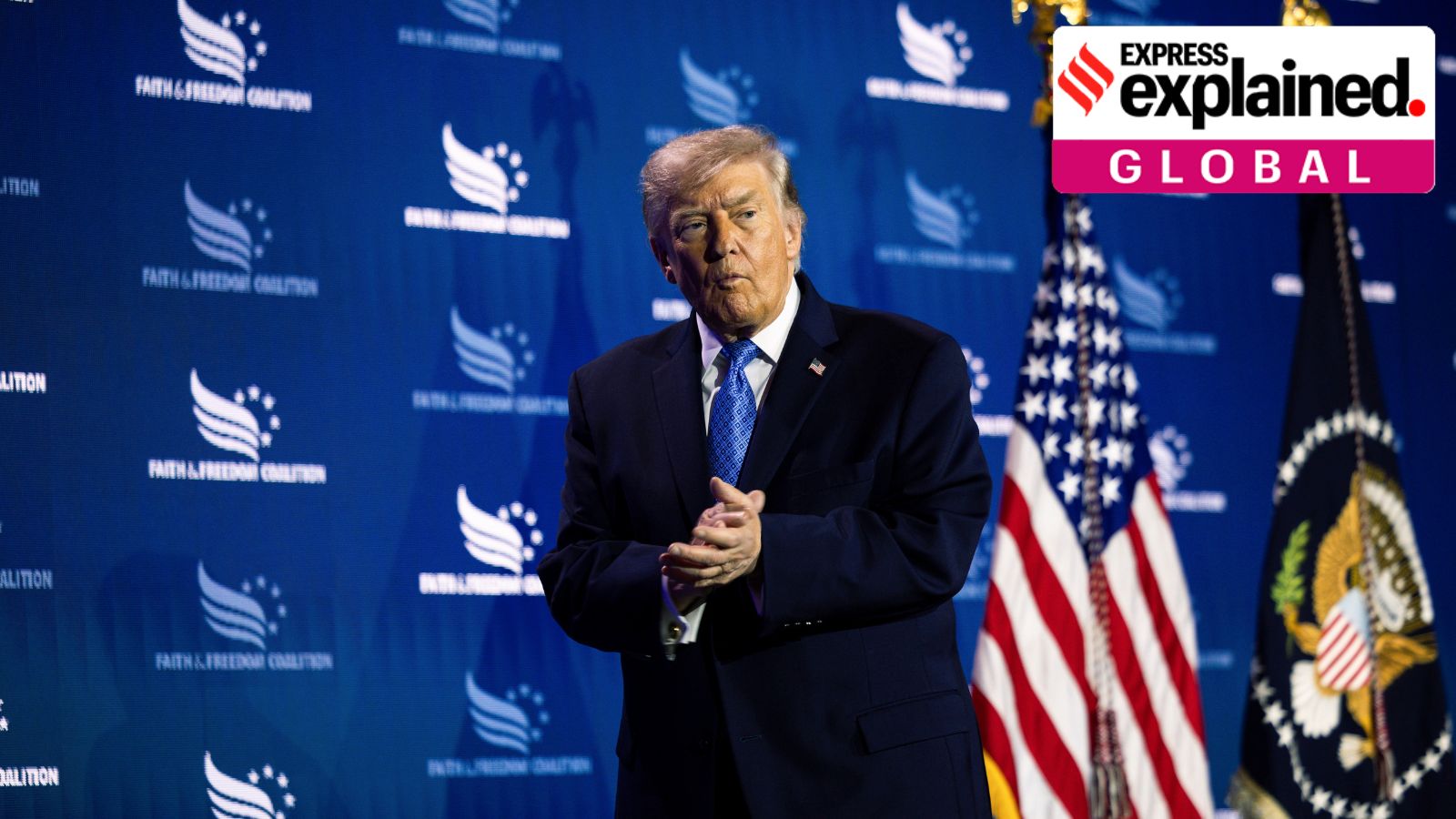
The US Supreme Court ruled on Tuesday that President Donald Trump's executive order ending birthright citizenship is unconstitutional, reaffirming that children born in the United States are American citizens under the Fourteenth Amendment regardless of their parents' immigration status.
In a 6-3 decision, the court rejected the administration's argument that such children are not 'subject to the jurisdiction' of the US. The majority held that the executive order conflicted with the Citizenship Clause and longstanding precedent dating back to the 1898 case United States v. Wong Kim Ark.
The ruling is a significant judicial setback for Trump’s second-term immigration agenda and reinforces a constitutional guarantee that has been in place for over 150 years.
What Is Birthright Citizenship?
The Fourteenth Amendment, ratified in 1868, states: 'All persons born or naturalized in the United States, and subject to the jurisdiction thereof, are citizens of the United States and of the State wherein they reside.' It was originally intended to grant citizenship to formerly enslaved people after the Civil War.
Courts have long interpreted this to mean nearly everyone born on US soil is a citizen, with two exceptions: children of foreign diplomats (who owe allegiance to another country) and enemies present during hostile occupation.
The principle draws from the English common law doctrine of jus soli ('right of soil'), where citizenship is determined by place of birth, not parentage.
Why Trump Sought to End Birthright Citizenship
Shortly after beginning his second term, Trump signed an executive order denying citizenship to children born in the US to parents who are in the country illegally or temporarily. The order argued that such children are not 'subject to the jurisdiction' of the United States and thus ineligible for citizenship.
In a December 2024 interview, Trump said, 'We have to end it. We’re the only country that has it.' That claim is inaccurate: at least 37 other countries grant unconditional birthright citizenship, mostly in the Americas. India does not practice unconditional birthright citizenship, nor do many European nations.
Following the ruling, Trump called the decision 'too bad for our country' and said his administration would continue pursuing restrictions. He also incorrectly claimed Congress could overturn the decision by legislation.
Context: Birthright Citizenship in India
The framers of the Indian Constitution debated whether citizenship should be based on birth or descent. Some members, like P.S. Deshmukh, argued against birthright citizenship, fearing it would make Indian citizenship 'the cheapest on earth.' However, B.R. Ambedkar and Sardar Vallabhbhai Patel favoured it, and Article 5 of the Indian Constitution originally granted citizenship to persons born in India. The Citizenship Act, 1955 later modified this, and today India does not grant unconditional birthright citizenship—it restricts citizenship by birth if one parent is an illegal immigrant.