US Senate Passes Bill to Penalise Countries Buying Russian Oil and Gas
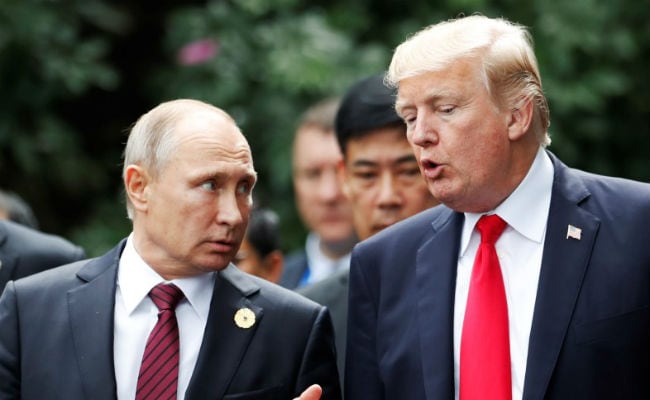
The United States Senate has overwhelmingly approved a bipartisan sanctions package that would penalise countries continuing to purchase Russian oil, gas, and other exports. The bill, passed by a vote of 86-11, is designed to cut off revenues that help fund Moscow's war in Ukraine. It now moves to the House of Representatives, where President Donald Trump has signalled support.
The legislation is the culmination of a year-long effort by the late Senator Lindsey Graham, who passed away recently. It seeks to reinforce US support for Ukraine and pressure Russian President Vladimir Putin as the conflict grinds into its fourth year. The war, which began in February 2022, has already lasted longer than World War I. The conflict has caused immense suffering, displacing millions and devastating cities across Ukraine.
The Senate vote came shortly after Ukrainian President Volodymyr Zelensky visited the Capitol. He met with senators from both parties and observed the Senate's initial procedural votes from the gallery last week. His visit occurred just hours after Graham's funeral, underscoring the senator's influence on Ukraine policy.
"Today, President Zelensky is watching from Ukraine - and Putin is watching from Moscow," said Senator Richard Blumenthal, a Democrat who co-authored the package with Graham. "I would like to think Lindsey Graham is watching too," he remarked. "Today we say to the people of Ukraine: You are not alone. And today we say to Vladimir Putin: You will not conquer Ukraine."
The bill represents the most substantial move by Congress in Donald Trump's second term to shift the dynamic of the war. Earlier attempts to ensure steady funding and military supplies to Ukraine have faced delays and political disputes. Trump, who has previously expressed reservations about continued aid, has given a nod to the sanctions package, encouraging the House to take it up.
Under the proposed legislation, countries that buy Russian energy products would face secondary sanctions, meaning they could be cut off from the US financial system. This could affect major importers such as India and China, which have continued purchasing Russian crude despite existing sanctions. The bill also targets Russian minerals, uranium, and other exports.
Supporters argue that depriving Russia of energy revenue is essential to limiting its ability to sustain military operations. Critics, however, warn of unintended consequences, including spikes in global energy prices and potential retaliation from Russia. Some analysts also note that secondary sanctions could strain relations with key US partners.
The Senate's 86-11 vote reflects bipartisan support for Ukraine, though a minority opposed the measure. Some lawmakers expressed concerns about the bill's breadth and the possibility of overreach. Others argued that the US should focus on its own energy security before imposing further restrictions.
The House is expected to debate the bill in the coming weeks. It remains unclear whether the legislation will pass unchanged or be amended. If passed, it would then go to the White House, where Trump is likely to sign it into law, given his indication of support.
As the legislative process unfolds, the international community is closely watching. The outcome will have significant implications for global energy markets, diplomatic relations, and the continuation of the war in Ukraine. For now, the bill stands as a clear signal of Washington's intent to maintain pressure on Moscow.