US nuclear strategy review may shift focus to tactical weapons in China-Russia scenarios
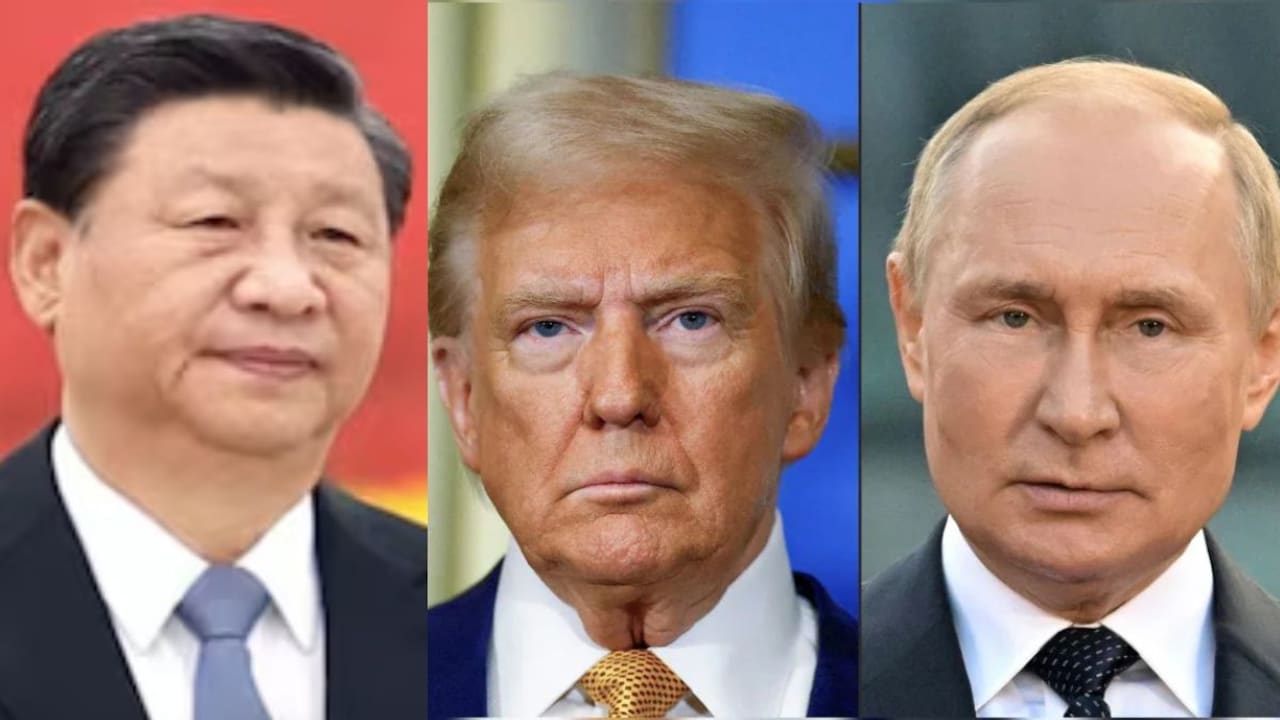
The Pentagon is conducting a major review of the United States' nuclear strategy, with preliminary plans that could reshape how Washington responds to a potential conflict involving China or Russia. The review, reported by NBC News, is being led by Elbridge Colby, the US Department of Defence's policy chief.
According to officials familiar with the matter, the proposed approach would reduce reliance on long-range nuclear missiles and place greater emphasis on shorter-range tactical nuclear weapons. These weapons are designed for use in regional conflicts, particularly those involving US allies, rather than for striking an adversary's homeland.
Colby is expected to outline the proposal during a private military event in Nebraska, while visiting the US Strategic Command, the unified combatant command responsible for the nation's nuclear forces.
Expanding Presidential Options
The stated goal of the review is to prepare for scenarios in which US allies come under attack by Russia or China, while giving President Donald Trump a wider set of military choices in a crisis.
A senior US Department of Defence official told NBC News: "Our view is that we need credible nuclear options." The official added that the strategy would not constrain the president's decisions, but rather "expand the president's option space by providing him with realistic and credible options and therefore strengthen deterrence."
Another official said the revised doctrine would give the president more choices during nuclear crises, avoiding an all-or-nothing response.
Role of Tactical Nuclear Weapons
Colby has long argued that the current US nuclear policy relies too heavily on the threat of launching devastating long-range weapons capable of destroying an opponent's nuclear arsenal. He has advocated instead for tactical nuclear weapons, which are smaller, shorter-range warheads intended for use against military targets or on the battlefield, rather than against entire cities.
Defending the proposal, the senior defence official said: "If you actually want extended deterrence to be credible, you have to provide the nation's political leadership with nuclear capabilities that common sense indicates you could actually use."
The official added: "Otherwise you're reducing our leadership's options to extreme choices that the adversary won't find credible – and that is not going to fare well for deterrence."
Debate Over Nuclear Threshold
The proposal has reopened a long-running debate over US nuclear policy. Supporters argue that flexible options could strengthen deterrence, while critics warn of the opposite effect.
Some experts caution that incorporating tactical nuclear weapons more prominently into military planning could lower the threshold for their use, making them appear more practical in conventional conflicts. Others contend that overemphasising battlefield nuclear weapons could weaken preparations for situations where the president might need to rely on long-range strategic missiles.
The proposal has already drawn criticism in the US Congress. A senior congressional aide familiar with the review told NBC News: "It's hard to imagine a study that is more out of line with President Trump's stated position of making our nuclear deterrent great again." The aide added: "He clearly wants more options and capabilities, not less. This study is big-time low-T."
Context of Nuclear Weapons Use
Nuclear weapons have not been used in combat since the United States dropped atomic bombs on Hiroshima and Nagasaki in 1945. Those attacks led to Japan's surrender and the end of the Second World War. Any shift in US nuclear policy therefore remains a subject of global attention and concern.
The Pentagon's review is in its early stages, and no final decisions have been made. The proposal's fate will depend on further deliberations within the administration and on Capitol Hill.