US Military Turns Off Ad Trackers on Troops' Devices Over Location Data Risk
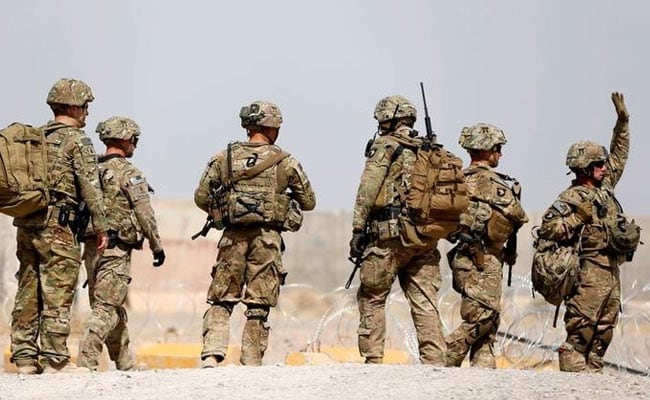
New Delhi: The United States military has disabled advertising trackers on smartphones and computers used by its personnel, after concerns emerged that commercially available location data could be exploited to track and target American troops deployed in the Middle East.
The move was reported by TechCrunch on Friday, citing a letter from US Senator Ron Wyden. Reuters separately confirmed the development after obtaining statements from US military officials. The measures affect devices used by several branches of the US armed forces, including the Army, Air Force and US Special Operations Command (SOCOM).
The security concern centres on mobile advertising identifiers, known as MAIDs. These unique codes allow advertisers and data companies to distinguish one device from another, and are often used alongside location information collected by mobile applications. US officials believe such commercially available data could provide sensitive details about the movements of military personnel.
The core worry is that data brokers collect location information and either sell or share it with third parties. If such data reaches hostile governments or other actors, it could potentially be used to identify the whereabouts of US troops in sensitive regions.
According to Reuters, the latest measures follow concerns that commercially available location data had actually been used to target American forces in the Middle East. The Air Force told Senator Wyden that it disabled advertising identifiers on computers and mobile phones approximately two months ago. US Special Operations Command also confirmed that it had recently disabled the identifiers on its Windows-based devices.
The Army informed Reuters that advertising IDs on mobile devices were disabled earlier this year, and that such identifiers had already been blocked on its Windows computers before 2021. On mobile devices, the Army said the feature was disabled by default starting February 2026. The position of the Navy was not immediately clear.
Privacy experts caution that turning off advertising IDs can reduce the risk, but may not completely prevent devices from being tracked. Other technical information, including network data and app-collected data, could still potentially reveal a device's location. Therefore, disabling advertising identifiers is only one component of the military's broader effort to limit the amount of location data generated by devices used by its personnel.
The issue has drawn the attention of lawmakers. Senator Wyden, along with Republican Representative Pat Harrigan, is pressing the Pentagon to investigate whether the military has done enough to protect service members from this threat. Wyden has argued that the steps taken so far may not be sufficient, according to Reuters. The Pentagon is expected to respond directly to the lawmakers.
The development highlights growing unease over the vast amount of location information gathered through the digital advertising ecosystem. Data collected for commercial purposes can transform into a security risk when it is used to trace individuals in sensitive locations, including active military zones.
The US military is also considering broader restrictions on smartphone use by personnel deployed in the Middle East. Reuters had earlier reported that some troops could be ordered to surrender their phones over concerns that information shared online might help adversaries like Iran identify American military positions.