US-Led Coalition Ends 12-Year Mission In Iraq As Final Troops Leave Kurdistan
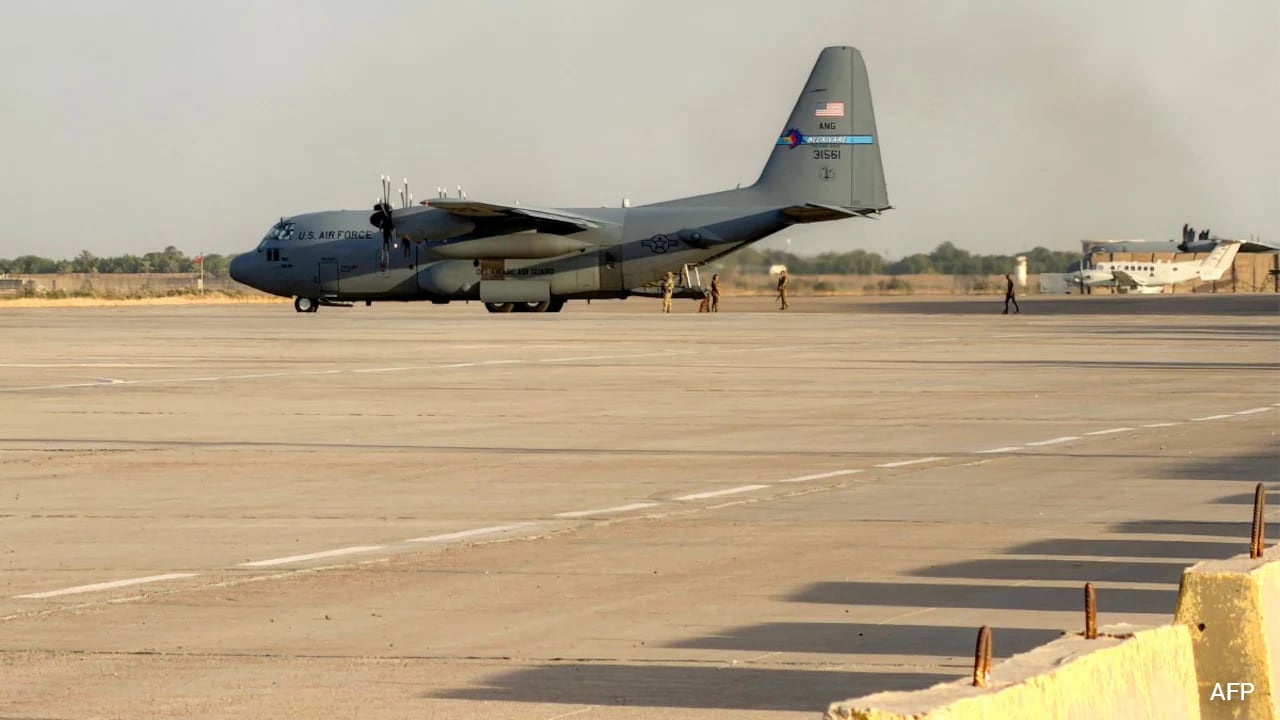
The United States-led coalition is formally ending its mission in Iraq after more than a decade, with the last of its troops scheduled to leave the autonomous Kurdistan region on Wednesday. The departure closes a chapter that began in 2014, when coalition forces deployed to Iraq and Syria to counter the Islamic State group.
The coalition was assembled after the Islamic State seized large areas of both countries and carried out massacres and other atrocities against civilians, including against minority communities. The group was militarily defeated in Iraq in 2017 and in Syria in 2019, but coalition personnel stayed on to support local forces against its remnants.
Baghdad and Washington agreed in 2024 to wind down the mission. Troops have since left bases across the country in stages, concentrating their presence in the northern Kurdistan region before the final pullout.
The Iraqi government says the withdrawal removes the justification that powerful, Tehran-backed armed factions have cited for retaining their weapons outside state control. Prime Minister Ali al-Zaidi, who took office this year, has said the day after the coalition's departure — 1 October — should be observed as Sovereignty Day. The heads of Iraq's executive, legislative and judicial branches described it on Monday as "a national occasion that affirms the completion of Iraq's path toward sovereignty and consolidates the presence of the state and its institutions". They added that "the presence of weapons outside state authority must be addressed... in line with timelines set by the government, in a manner that strengthens state sovereignty".
Zaidi has pledged to reinforce the state's monopoly on the use of force and to ensure that armed factions hand over their weapons. His government initially set 30 September as the deadline for disarmament, but later withdrew the time limit as talks on "regulating" weapons continued. The issue has fuelled political tension and is widely expected to take much longer to resolve. Several powerful groups have refused to disarm, and senior politicians have stepped in to try to broker a compromise.
Armed factions have set conditions of their own, including the withdrawal of all foreign troops and an end to what they describe as American political and economic interference. Kataeb Hezbollah said in a statement on Monday that the departure of "the occupation forces" was "a start towards achieving full sovereignty". The group also issued a warning to the government, saying that "a government that doesn't work for the good of its people will be brought down by all possible means".
During the campaign against the Islamic State, the US-led coalition and Iran-backed factions fought a common enemy. After the group's defeat, the coalition's presence became a persistent source of friction. Factions demanded the withdrawal of American troops and targeted them with drones and missiles, prompting US retaliatory strikes that killed several faction commanders over the years. During the wider regional conflict, Iran and allied groups intensified attacks on US-led personnel, including in the Kurdistan region.
In Erbil, the capital of the Kurdistan region, residents told AFP they are increasingly anxious about who will protect them from drones that have repeatedly targeted the autonomous area once coalition interceptor systems are withdrawn.
The coalition had already left Syria earlier this year. The handover in Iraq leaves open questions about the future balance between Baghdad's authority, the armed factions and the regional powers that back them.







