US Imposes 50% Tariff on 500+ Canadian Goods; Ottawa Vows Retaliation
Honey, makeup, hockey sticks and Christmas decorations. These are among the more than 500 Canadian products now facing a 50 per cent tariff to enter the United States. The new duties came into effect on Saturday and are expected to affect goods worth about $20 billion, roughly 5 per cent of the $381.92 billion in products Canada shipped to the US last year.
While that is far from the majority of Canada's exports, the 50 per cent rate is punishing. Households could feel the pinch of higher prices the longer the tariffs remain, especially on top of price increases from previously imposed levies. Tariffs are taxes paid by importers, who often pass at least some of the cost on to consumers.
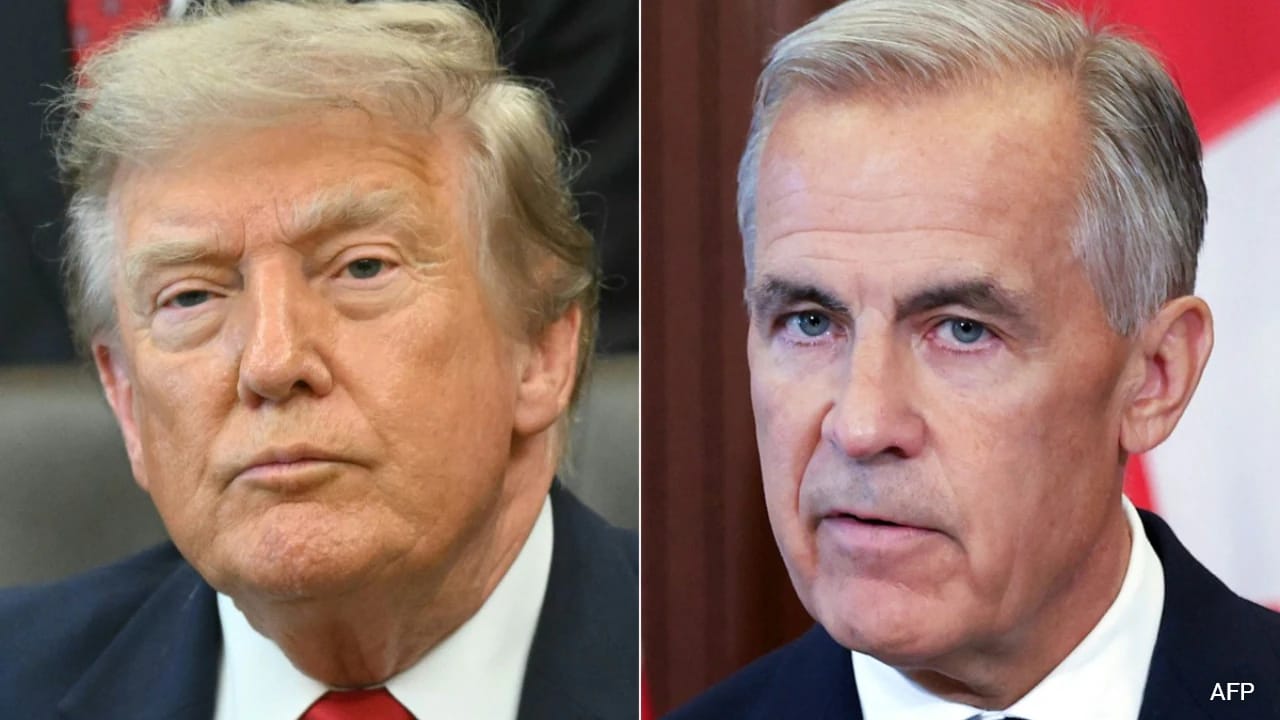
The list of goods now taxed at 50 per cent is wide-ranging and, at times, highly specific. Consumers may see price increases across many shopping aisles, as well as in areas like home-building. Canada has promised to retaliate. Prime Minister Mark Carney said his government would impose "dollar for dollar" countermeasures starting September 8. Meanwhile, President Donald Trump has suggested he could raise existing US import taxes on automobiles next year, signalling further escalation.
Here is a look at some of the products affected, on both sides of the border.
When the 50 per cent tariffs were first announced, the Trump administration said they would apply to goods ranging from hockey sticks to wine and cement. The final list covers more than 550 items. Some of the many categories include:
Natural honey; bulbs for plants such as tulips and lilies; fresh cut flowers; seeds for beets, onions and other vegetables; animal products such as horsehair, tortoise shells and antlers; alcoholic beverages like beer, vermouth and cider; furniture knobs, wallpaper and lighting fixtures; plates, cups, bowls and other kitchenware; paints, varnishes, vinyl floor coverings and plywood sheets; sports equipment including ice skates, golf gear and fishing rods; perfumes, makeup and nail care preparations; luggage, bags, gloves and coats; toys and Christmas decorations; digital cameras and recording equipment; smartphones and video game consoles; envelopes, cigarette paper and tissue products.
The tariffs were imposed using Section 338 of the Tariff Act of 1930, a long-dormant law that has never been used before. It authorises the president to impose import taxes of up to 50 per cent on products from countries that discriminate against American businesses. The Trump administration argued that Canada discriminated against US autos, alcohol and dairy products, particularly after earlier US import taxes were introduced last year. Notably, the new list of affected goods is far broader.
Soon after the tariffs took effect, Prime Minister Carney announced retaliation. On Saturday, he said his government would begin matching countermeasures on September 8, targeting US steel, dairy, appliances, agricultural equipment, pulp and paper, and electronics. He said further details would follow.
Threats of stronger countermeasures and further escalation continued on Monday. Ontario Premier Doug Ford told The Associated Press that "everything is on the table," noting his province would be ready to cut off electricity and critical minerals to the US if the trade war worsens.
The development is part of a broader trade dispute between the two countries. Earlier tariffs on Canadian goods have already affected certain sectors. The new 50 per cent duty adds to the uncertainty facing businesses and consumers on both sides of the border. The impact will depend on how long the tariffs remain and whether further countermeasures escalate the dispute.







