US H-1B Visa Cap Reached for FY2027: What It Means for Indian Applicants
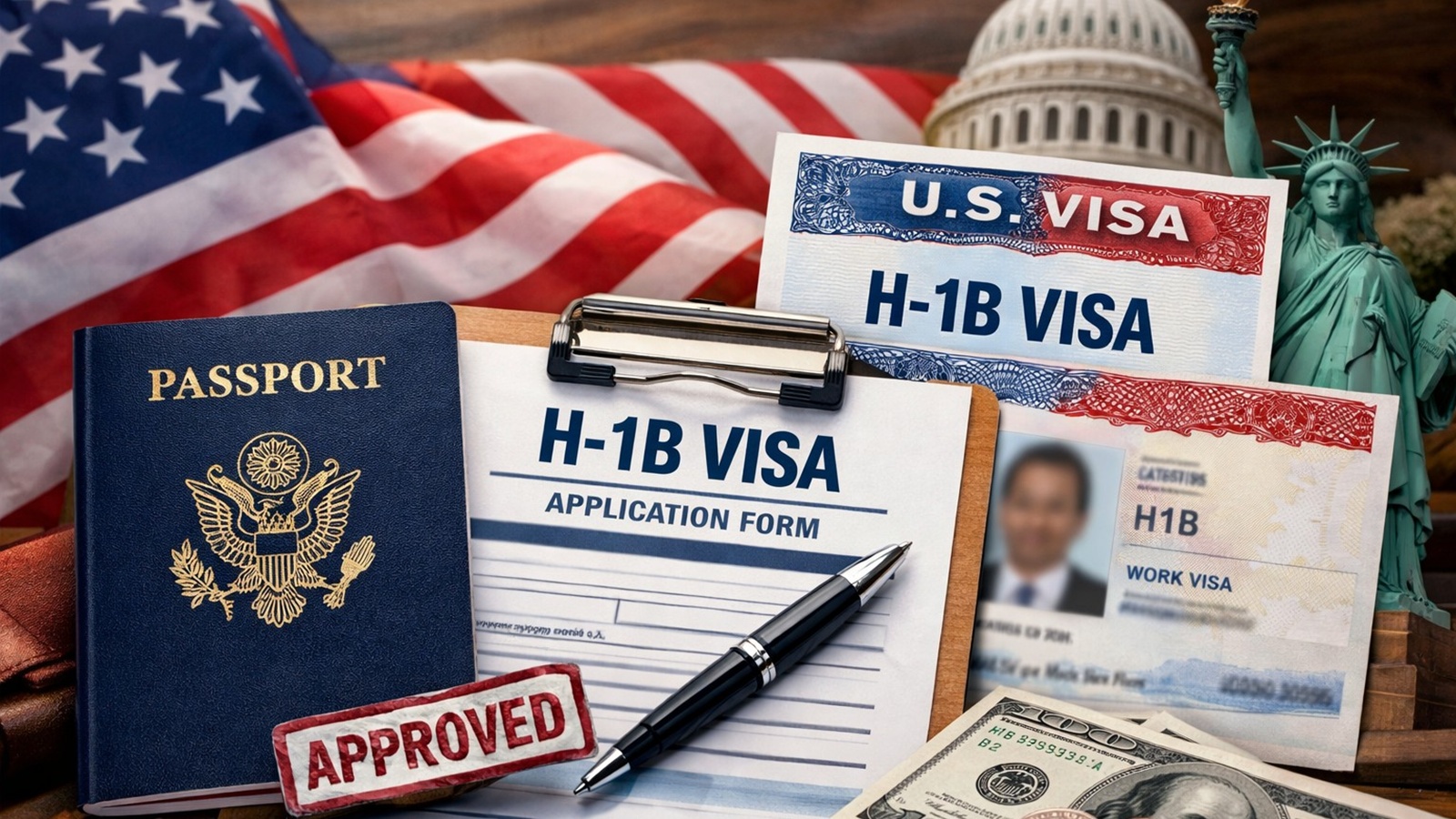
The United States has reached its annual H-1B visa cap for Fiscal Year (FY) 2027, with the US Citizenship and Immigration Services (USCIS) announcing that it has received enough petitions to fill the congressionally mandated 85,000 slots. This development is the first selection cycle under new rules that prioritise higher-paid and senior-level workers.
The H-1B visa program, which allows US companies to temporarily employ foreign workers in specialty occupations, is subject to a statutory cap of 85,000 new visas each fiscal year. This includes 65,000 visas under the regular cap and an additional 20,000 for the US advanced degree exemption, commonly referred to as the master's cap.
The recent changes to the lottery process aim to overhaul the selection system. Instead of a random lottery, the new rules prioritise petitions for workers with higher wage levels, effectively favouring senior-level and highly compensated applicants. This shift is expected to impact the profile of successful applicants, with a greater emphasis on experience and pay.
For Indian applicants, who form the largest group of H-1B beneficiaries, these changes introduce new challenges. The emphasis on higher wages and seniority may reduce the chances for entry-level professionals and those in lower-paying fields. However, the full impact will become clearer as USCIS processes applications under the new system.
The H-1B cap is reached annually, often within days of the filing window opening. For FY2027, the cap was hit in the initial filing period, indicating sustained demand from US employers for skilled foreign talent. The USCIS has not yet disclosed the exact date when the cap was met, but the agency confirmed that it will conduct a lottery to select petitions if the cap is exceeded.
It is important to note that the changes to the lottery process were enacted through regulatory updates and apply to all petitions subject to the cap. The USCIS has emphasised that the new system is designed to better align with the intent of the H-1B program, which is to fill positions that require specialised knowledge and cannot be easily filled by the domestic workforce.
Indian applicants are advised to ensure their petitions are complete and filed through the correct channels. Employers should also be aware of the new documentation requirements and the importance of accurately classifying wage levels. As the FY2027 cap has been reached, new applicants will now have to wait until the next fiscal year to file petitions under the cap.
The H-1B cap does not affect visa renewals or transfers, which are not counted against the annual limit. Additionally, certain employers, such as universities and non-profit research organisations, are exempt from the cap, providing alternative pathways for some applicants.