US FDA Approves First Oral Pill to Lower 'Bad' Cholesterol, Replacing Injections
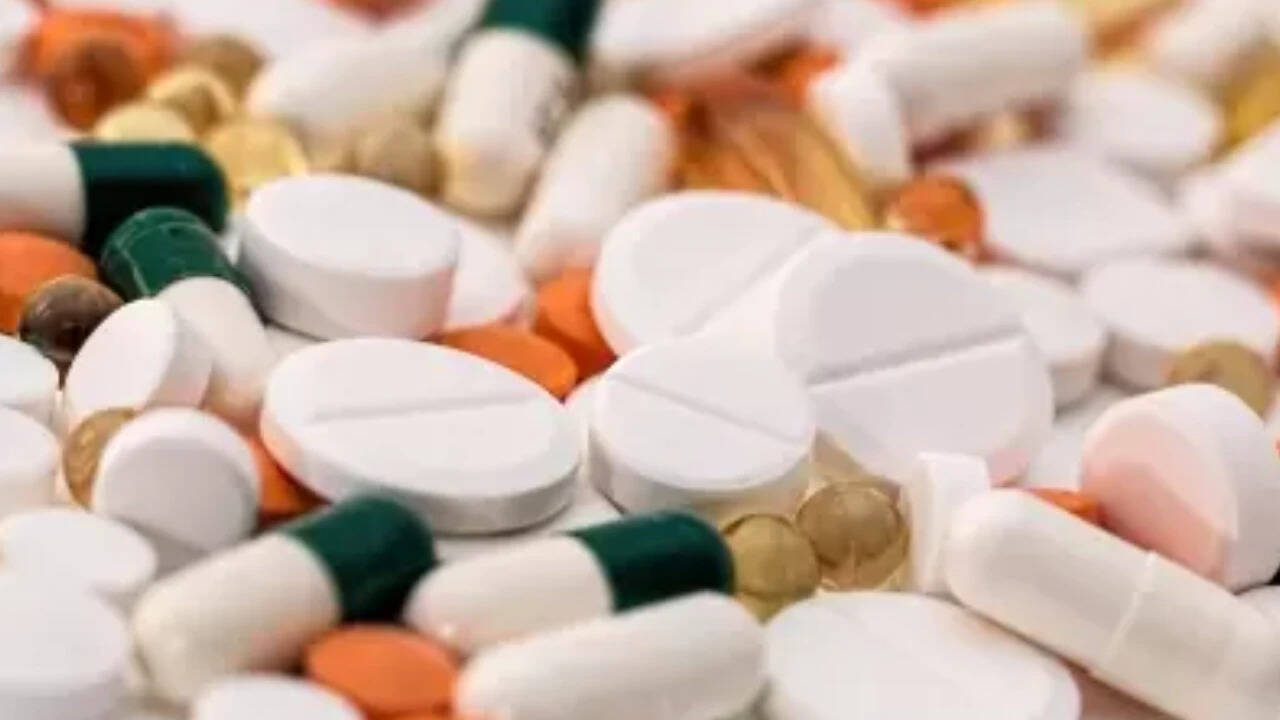
The United States Food and Drug Administration (FDA) has approved the world's first oral PCSK9 inhibitor, a once-daily tablet that offers an alternative to injectable cholesterol-lowering drugs for patients with difficult-to-control high cholesterol.
The drug, Lipfendra (enlicitide), is approved for adults with high cholesterol, including those with an inherited condition called heterozygous familial hypercholesterolaemia (HeFH). It is intended to be used alongside diet, exercise, and existing cholesterol-lowering treatments. Until now, PCSK9 inhibitors have only been available as injections administered every two or four weeks.
However, the drug is not expected to be available in India immediately. According to Dr Subhash Mandal, national general secretary of the Indian Pharmaceutical Association (IPA), even if a medicine is approved abroad, it cannot be marketed in India automatically. It must obtain approval from the Central Drugs Standard Control Organisation (CDSCO) after following the prescribed regulatory process, which may include clinical trials as required under Indian regulations. In exceptional cases, patients may seek permission through a separate CDSCO mechanism to import limited quantities for personal treatment. Medicines cannot simply be brought into the country by friends or relatives.
The approval is significant because many high-risk patients continue to have elevated low-density lipoprotein (LDL) cholesterol despite treatment with standard oral medicines. Indian cardiology guidelines recommend aggressive LDL reduction, with targets below 70 mg/dL for high-risk individuals and below 55 mg/dL for those at very high cardiovascular risk. However, many patients fail to achieve these goals despite multiple therapies.
Cardiovascular disease remains India's leading cause of death, and cardiologists say better LDL cholesterol control is key to preventing heart attacks and strokes. Clinical trials involving 3,207 adults found that the once-daily oral drug reduced LDL cholesterol by 56–59% over 24 weeks in patients already on maximally tolerated statins. This reduction is comparable to injectable PCSK9 inhibitors and offers another option for those whose cholesterol remains uncontrolled despite existing therapy.
However, cardiologists have cautioned that the drug is unlikely to replace statins or become a first-line treatment. Dr Ambuj Roy, Professor of Cardiology at AIIMS Delhi, said the new oral therapy lowers LDL cholesterol by about 50–60%, making it a promising option for patients who prefer to avoid injections. But he noted that it is likely to be used as a fourth-line therapy, after statins, ezetimibe and bempedoic acid, for patients whose LDL cholesterol remains uncontrolled or who cannot tolerate statins. Dr Roy also pointed out that while the drug lowers LDL substantially, long-term evidence that it reduces heart attacks, bypass surgery, stenting or deaths is still lacking. He added that the drug is expected to be expensive.
High LDL cholesterol is a major risk factor for heart disease and stroke. It causes fatty plaques to build up inside arteries, increasing the risk of heart attacks and strokes.