UN Report: Even Best Climate Pledges Would Push Warming Past 1.5°C
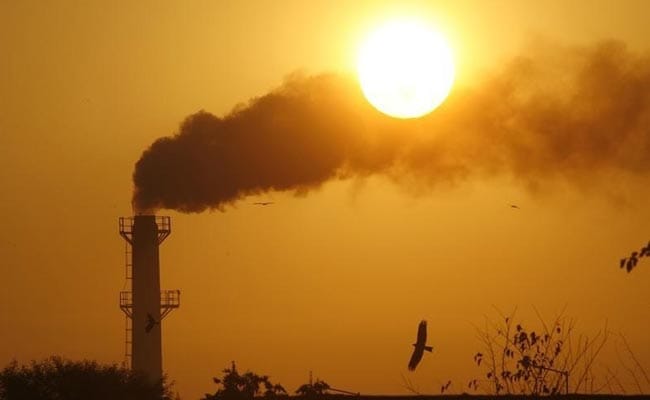
The United Nations Environment Programme (UNEP) has released a report stating that the world is likely to temporarily exceed the 1.5 degree Celsius warming threshold set under the Paris Agreement in the coming years. The report, titled "Limiting Overshoot," finds that even under an optimistic scenario where all national climate pledges are fully implemented and net-zero targets are met, global temperatures would peak at around 1.8 degrees Celsius above pre-industrial levels.
The Paris Agreement aims to limit global warming to well below 2 degrees Celsius and pursue efforts to keep it to 1.5 degrees Celsius. The 1.5 degree level is considered critical because beyond it, the risks of severe climate impacts increase substantially. Scientists have warned that exceeding this threshold, even temporarily, could have long-lasting consequences for ecosystems and communities worldwide.
The report highlights several potential impacts if temperatures remain above 1.5 degrees Celsius. These include significant changes to ice sheets, sea ice, glaciers, permafrost and snow. For instance, glaciers could lose more than a quarter of their mass by 2100, raising sea levels by 9 to 12.5 centimetres and permanently altering water availability in many regions. The report notes that in August 2025, a glacier collapse in the Himalayas triggered flash floods in Nepal and Tibet, killing over 1,000 people.
"There are no good outcomes if we remain above 1.5 degrees Celsius," said Inger Andersen, UNEP Executive Director. "Across the globe, extreme heatwaves are already proving that climate impacts will strike faster, hit harder, and last longer - costing more lives and causing deeper disruption. Now is the time we must double down on climate action. We can - and must - get on the right path." She stressed the need to cut greenhouse gas emissions, strengthen resilience and adaptation, and ensure that any overshoot is as small and short as possible.
Other risks identified in the report include faster sea-level rise, a higher likelihood of ecosystem collapse such as coral reefs, and more frequent extreme heat and wildfires. There is also an increased risk of crossing irreversible tipping points in global systems, including the West Antarctic and Greenland ice sheets, the Atlantic Meridional Overturning Circulation (AMOC), and the Amazon rainforest. Such events would fundamentally reshape the planet.
The report proposes an "overshoot, peak, and decline" pathway as the best remaining option to minimize the magnitude and duration of exceeding 1.5 degrees Celsius. This approach requires immediate and sustained cuts to greenhouse gas emissions, including methane, on the road to net-zero. It would then involve long-term net-negative emissions, with carefully governed carbon dioxide removal - such as afforestation - playing an essential role.
"This summer's scorching heat, raging wildfires and deadly floods are a warning of what lies ahead," said UN Secretary-General Antonio Guterres. "We must make the overshoot above 1.5 degrees as small and short as possible. That demands an overshoot of ambition."
The report emphasizes that current national climate pledges are far from sufficient. Analysis of mitigation pledges submitted by countries as part of their Nationally Determined Contributions (NDCs) under the Paris Agreement shows a substantial emissions gap. While full implementation of the most recent NDCs submitted by September 2025 could lead to a slight decline in global greenhouse gas emissions from their record 2024 levels, a significant gap remains.
A further concern, UNEP says, is the persistent implementation gap between pledged emission reductions and the policies currently in place to achieve them. Under existing policies, global emissions are projected to remain broadly stable through 2030 rather than decline, leaving the world far off track from limiting warming to 1.5 degrees Celsius.
Despite the grim outlook, UNEP stresses that it is still possible to bring temperatures down and meet the Paris Agreement goals. However, this requires urgent, ambitious and sustained action from all countries.


