Trump's Iran war: A strategic quagmire with no clear exit

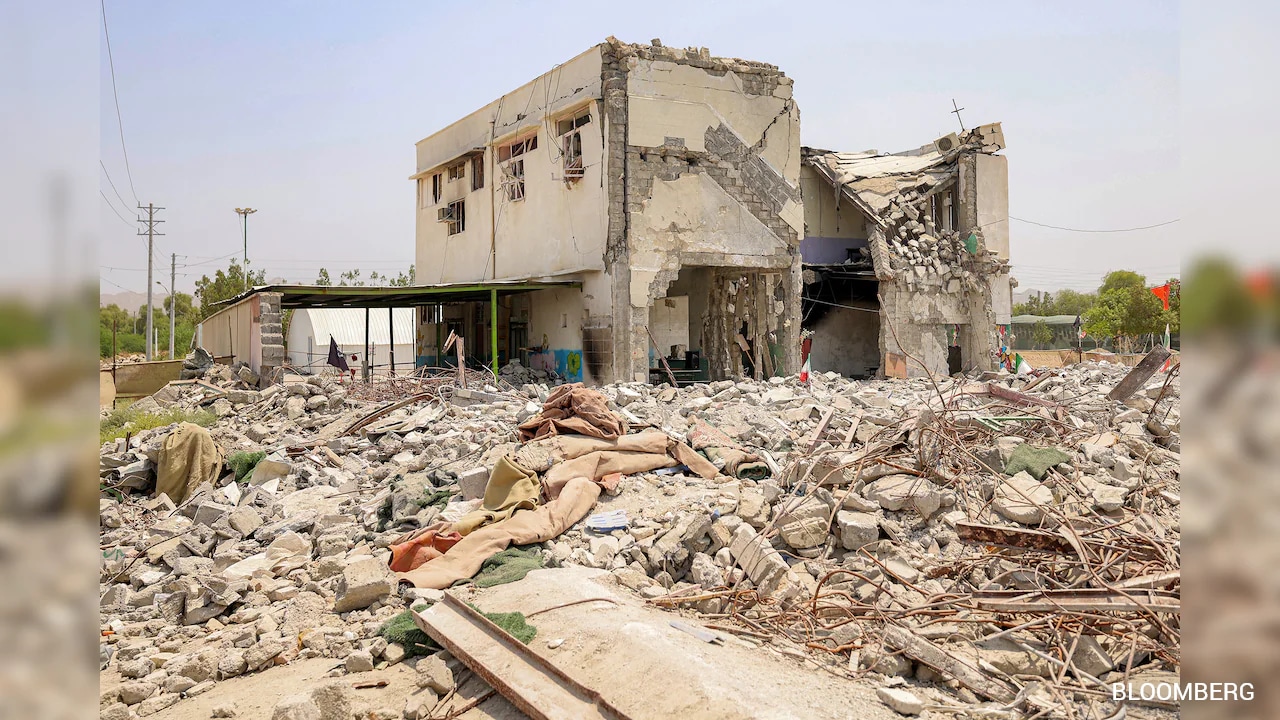
More than five months after the United States and Israel launched a war against Iran, the conflict remains unresolved. President Donald Trump, who had predicted a quick victory, now faces a strategic deadlock. The war, which began with the assassination of Iran's Supreme Leader Ayatollah Ali Khamenei on February 28, 2026, has not led to the regime change Washington had hoped for. Instead, Iran's leadership has consolidated power, and the conflict has expanded regionally.
The stated objectives of the US-Israel campaign were to destroy Iran's nuclear programme, dismantle its missile capabilities, end Tehran's support for allied groups such as Hamas, Hezbollah, the Houthis, and the Hashad, and ultimately bring about regime change. However, the first three goals were widely seen as dependent on the fourth. Without toppling the Islamic Republic, achieving any of the other objectives appeared unlikely even before the war began. This made regime change the central aim of the military campaign.
President Trump's strategy relied on an aerial campaign alone, without committing ground troops. Washington also lacked a credible local ally capable of leading an insurgency against Tehran. Initially, Trump appeared cautious. In June 2025, the US joined Israel in striking Iran's nuclear facilities but quickly pulled back, declaring that Iran's nuclear programme had been 'obliterated' and pressing for a ceasefire. He sought to avoid a wider regional conflict.
By February 2026, two developments appear to have convinced Trump that Iran could be defeated in a short war. First, the US invasion of Venezuela in January 2026, which led to the abduction of President Nicolás Maduro and a swift cooperation from his acting successor, was seen in Washington as a resounding success. Second, a wave of protests and riots inside Iran in January reinforced the belief that Tehran's government was fatally weakened. US and Israeli planners concluded that bombing Iran and decapitating its leadership would cause the regime to collapse or produce a new leadership willing to cooperate with Washington, similar to the perceived outcome in Venezuela. This proved to be a grave miscalculation.
Iran's response has rested on three pillars: preserving the state, regionalising the war, and raising its economic cost through horizontal escalation. Tehran understood that because Washington's other aims were tied to regime change, keeping the Islamic Republic intact would deny the US its broader objectives. Trump mistook Iran for a personality-driven authoritarian regime that could crumble with the removal of its top leader. However, the Iranian state is supported by deep institutional structures and an ideology that combines Shia concepts of sacrifice with revolutionary political ideals. Under attack, the state consolidated, and significant sections of the population rallied around the flag.
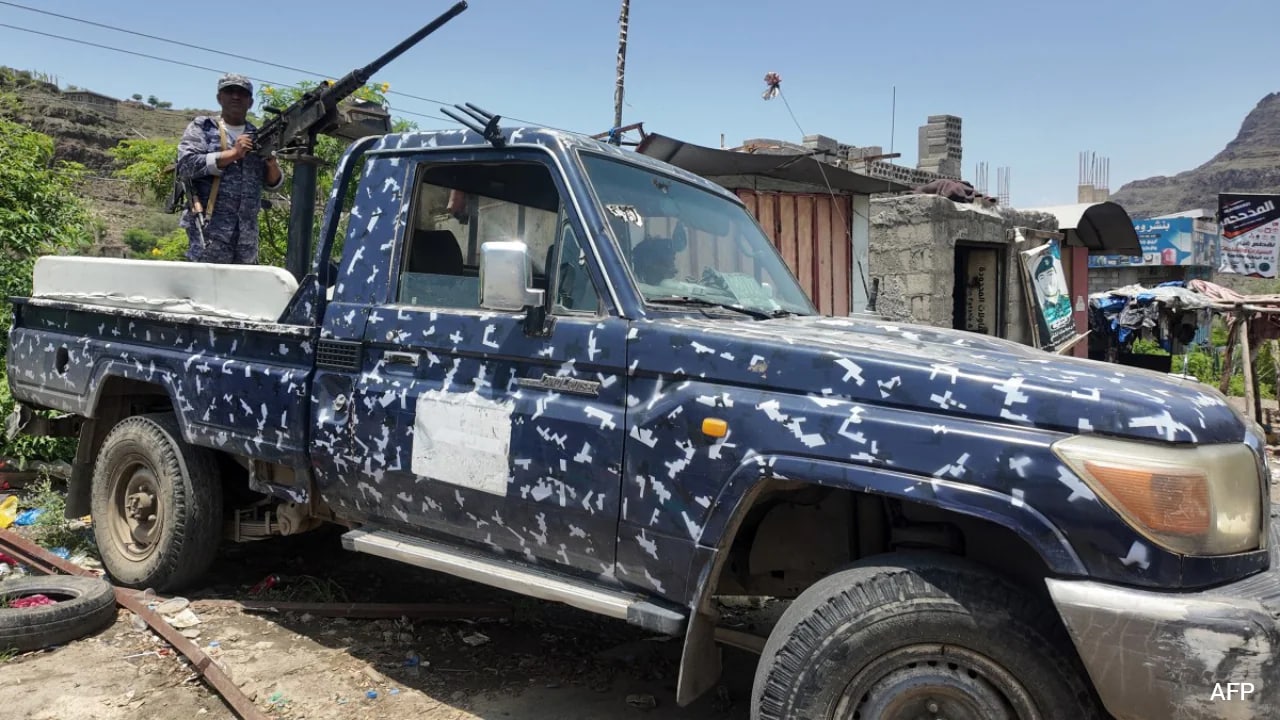
The second pillar was regionalising the conflict. Iran's allies, including Hezbollah in Lebanon, the Houthis in Yemen, and Shia militias in Iraq and Syria, have launched attacks on US and Israeli targets, expanding the battlefield. This has stretched US military resources and international attention.
The third pillar was increasing the economic and political costs of the war. By drawing the US into a prolonged conflict, Tehran aimed to erode American public support and international patience. While the full extent of casualties and economic damage is not independently verifiable, reports indicate that the war has been costly for all parties involved.
President Trump has alternated between strikes, ceasefires, talks, threats, ultimatums, renewed strikes, and reversals in an attempt to shape the war's course and seek a face-saving exit. Yet with the conflict unresolved and objectives unmet, Washington finds itself in a strategic cul-de-sac. Iran, resolute and risk-tolerant, appears willing to endure the war for as long as necessary. The path ahead remains uncertain, and the costs of the conflict continue to mount.