Trump Rejects Iran Truce Plan; US Envoy Says Tehran Wanted 'Too Much' to Talk
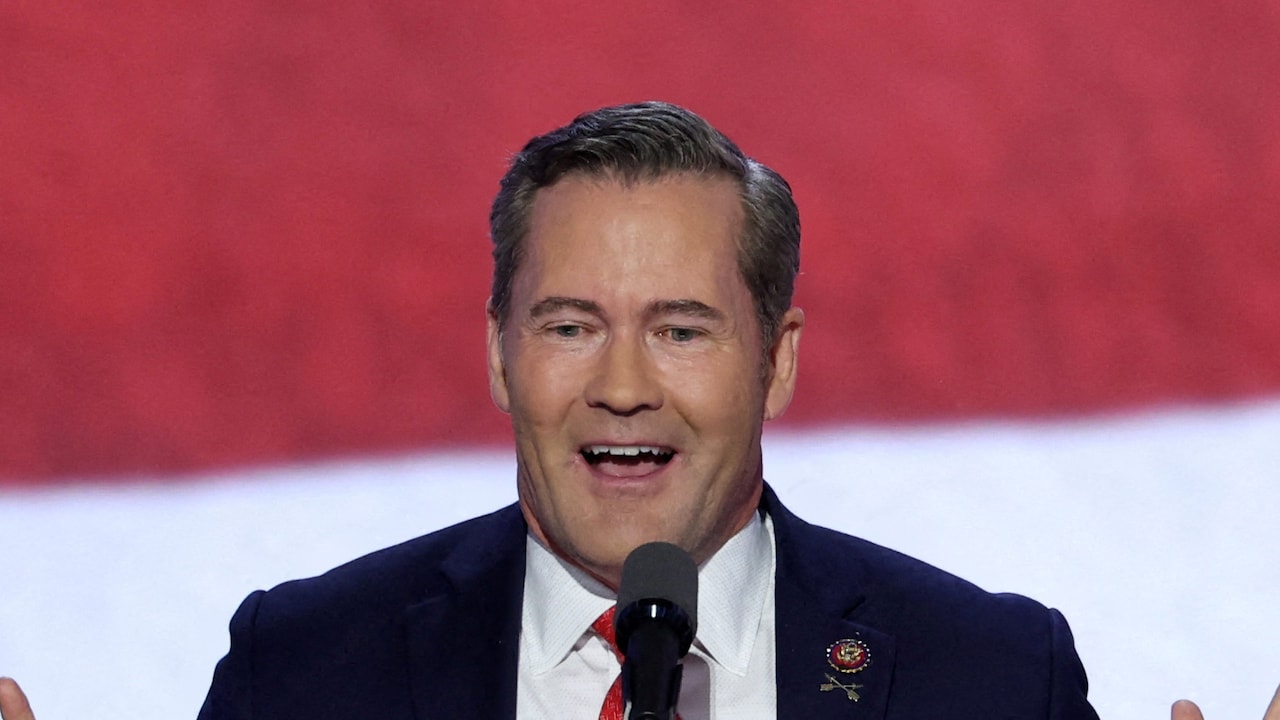
United States President Donald Trump has turned down a truce proposal from Iran, according to Washington's ambassador to the United Nations, who said Tehran had demanded sweeping concessions before it would return to the negotiating table.
Mike Waltz told NBC News that Iranian negotiators wanted the US naval blockade of Iranian ports lifted, international sanctions removed and access to billions of dollars in frozen assets — all before talks could even restart. He described the offer as "a pretty cynical attempt to put something on the table that they knew was unacceptable."
Waltz said the president had little confidence that Tehran would stand by any commitments it made. "At the end of the day, of course, the president, this has to end in some type of arrangement," he said, adding that Trump would "leave all options on the table" to get there.
Trump himself dismissed the proposal, saying Iranian leaders were seeking a deal because "they are losing so badly." He told the news outlet Axios that he nonetheless expected negotiations to resume in the coming week. "They want to make a deal, but it is not the deal that I want to make. It is what we would have maybe agreed to a year ago," he was quoted as saying. "They overplayed their hand."
Iran's position
The truce plan, announced by Iranian Foreign Minister Abbas Araghchi at the United Nations last week, calls for the release of frozen Iranian assets, the lifting of sanctions on Iranian oil exports and an end to the US naval blockade, so that the Strait of Hormuz can be reopened.
Speaking to NBC shortly after the rejection became public, Araghchi rejected what he called "old, unproved accusations" made by the American diplomat. "We are ready to open the strait if certain things are done by the US, and these certain things are not new and have not come from the space," he said. "These are our rights that we want to be respected."
He struck a pessimistic note on the prospects for a settlement. "There is also always hope for diplomacy," he said, "but we have no reason, to be honest with you, we have no reason to come back to diplomacy and engage with this administration once again because of their behaviour in the past two years."
Why Hormuz matters
The Strait of Hormuz is a narrow waterway between the Gulf of Oman and the Persian Gulf and one of the world's most important energy corridors. A substantial share of globally traded crude oil and liquefied natural gas passes through it, which is why any disruption there is felt in fuel prices and supply chains far beyond the region. Control of the strait, and of the shipping that moves through it, has become central to the confrontation between Washington and Tehran.
According to the accounts given by US officials, the current hostilities began nearly seven months ago, when the United States and Israel launched a wave of strikes against Iran. This publication has not been able to independently verify the details of the military operations or the terms of the truce plan as described by either side.
Where talks stand
Trump has publicly dismissed Iran's plan and has spoken of resuming full-scale air strikes on Iranian targets, even as he says he expects negotiations to continue. Citing sources familiar with the matter, Axios reported that indirect talks between Washington and Tehran could take place as early as Monday. Neither government has officially confirmed a date or a venue.
What is clear is that the two sides remain far apart. Washington wants Iran to scale back its demands before formal talks resume; Tehran says the steps it has sought are legitimate rights, not fresh conditions. With neither side willing to move first, the diplomatic opening that briefly appeared last week has narrowed again — and the question of who blinks first remains unanswered.







