Trump Admin's $100,000 OPT Fee Proposal Threatens Indian Students' US Dreams
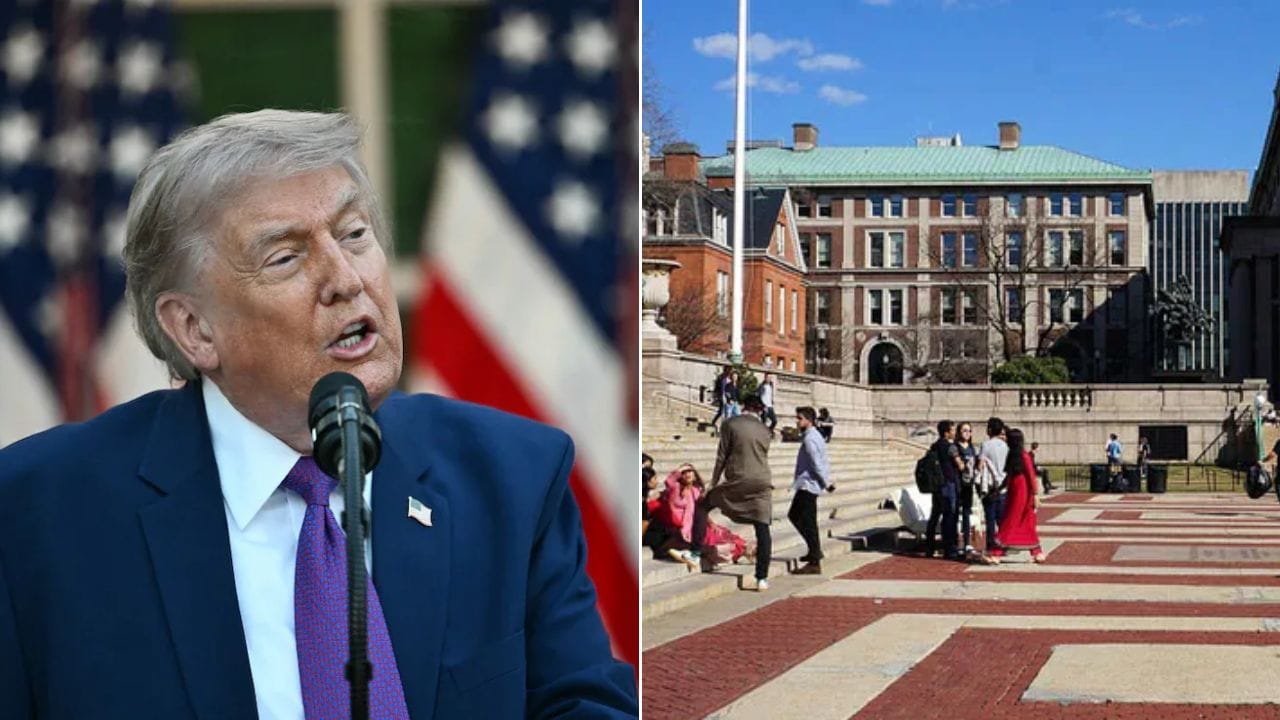
The Trump administration is reportedly considering a $100,000 fee for international students who want to work in the United States after graduation, a move that could significantly affect Indian students, who form the largest group of foreign students in America.
According to a report in The Wall Street Journal, senior US officials are exploring attaching the six-figure price tag to the Optional Practical Training (OPT) programme. OPT currently allows international students to work in the US for up to one year after completing their degree without a separate work visa. Students in STEM fields—science, technology, engineering, and mathematics—can extend this period by an additional two years, making it a vital pathway for Indian graduates to gain US work experience and eventually transition to an H-1B visa.
The White House has not made any official announcement, and the proposal is still under discussion. However, the potential fee, which amounts to over Rs 95 lakh at current exchange rates, has raised concerns among Indian families who invest heavily in US education.
This is not the first time the administration has targeted a $100,000 fee. Earlier this year, it imposed a similar fee on new H-1B visa applications, a move that drew legal challenges from major technology companies. A federal appeals court in Boston blocked that fee last week, ruling against the government's attempt to enforce it. The new OPT proposal appears to be another approach to reducing the number of foreign workers in the US, but it specifically targets students at the beginning of their careers.
The impact on Indian students is likely to be severe. According to the latest Open Doors report, over 3.63 lakh Indian students were enrolled in US institutions in 2024-25, the highest of any country, surpassing China. Indian students made up nearly a third of all international students in the US that year.
OPT is a major reason many Indian students choose the US. Data shows Indian participation in OPT jumped by 47 percent in a single year, with about 40 percent of Indian students in the US taking part in the programme. For many, the financial logic is simple: take education loans, study in the US, work for a few years after graduation, and repay the loans with a US salary. A $100,000 fee would completely disrupt this calculation, adding a massive financial burden on top of already high tuition and living costs.
Education consultants warn that such a fee could lead to a sharp decline in Indian students choosing STEM programmes in the US. Students may instead look to Canada, the UK, Germany, or Australia, which offer more affordable pathways to post-study work. Indian graduates already in the US might also face uncertainty about their next steps if the rule changes are implemented.
The proposal comes at a time when Indian student enrollment is already under pressure. US government data shows a nearly 45 percent drop in new Indian student enrollments between August 2024 and August 2025. While the reasons are multifaceted, including shifting global dynamics and domestic educational opportunities, this new fee could accelerate the trend.
Supporters of the proposal argue that OPT has been misused for visa fraud and overstays, and that a high fee would deter abuse. Critics, however, say the measure would simply price out genuine talent and harm the US economy, which relies on skilled foreign workers, especially in technology and engineering sectors.
For Indian students and their families, the proposal adds another layer of uncertainty to an already challenging journey. While nothing is final, the possibility of a $100,000 fee has put lakhs of ambitious students on notice.