Tier 2 cities emerge as retail's next growth engine as mall developers expand ahead of Diwali
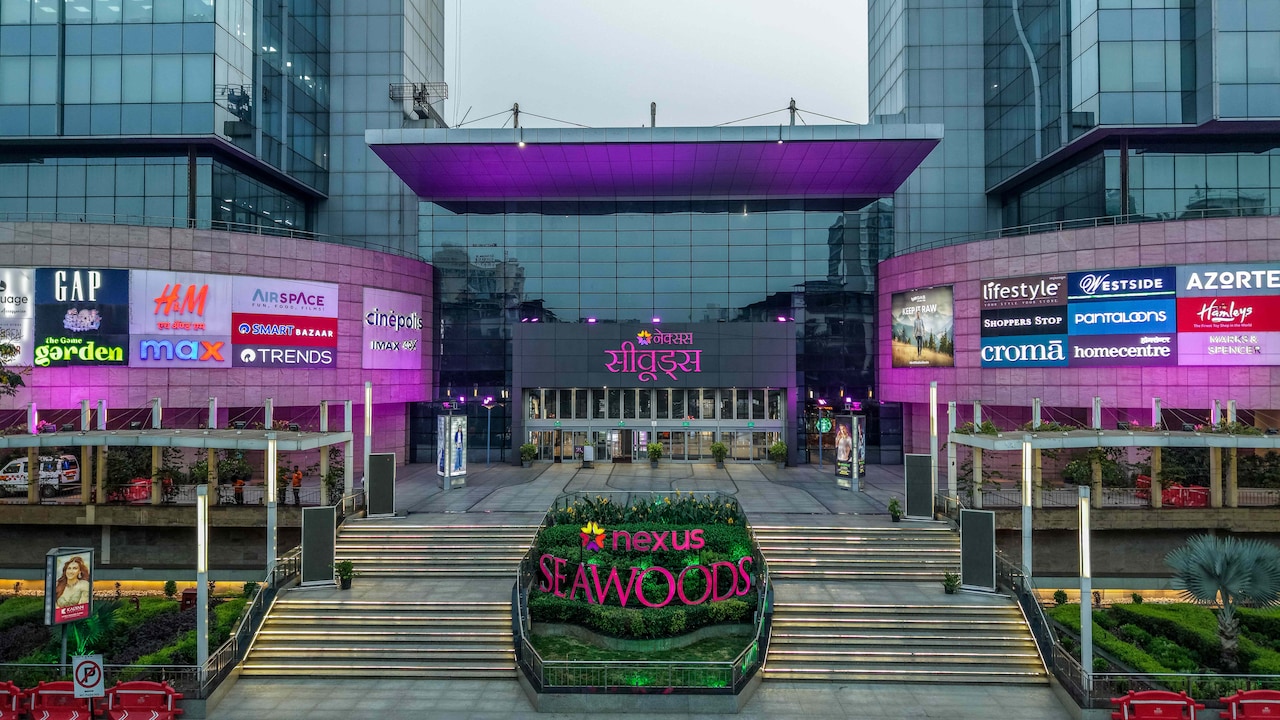
Mall developers are increasingly looking beyond India's largest cities, as rising incomes in smaller urban centres and the festive shopping season push Tier 2 markets into focus for retail expansion.
According to developers and industry research, the opportunity lies not merely in building more shopping centres, but in bringing metro-style retail — brands, dining and entertainment under one roof — to consumers who have long had limited access to such formats.
Gautam Vaswani, Chief Acquisitions Officer at Nexus Select Malls, said Tier 2 cities combine rising spending power, strong aspirations and room for organised retail to grow. "Shoppers in these cities know the brands they want. They increasingly expect the same choice, quality and experience available in the metros," he told NDTV.
What the numbers show
A 2026 report by BCG and the Retailers Association of India identifies Tier 2 to Tier 4 cities as contributing more than 30 per cent of India's retail growth through 2035. Research by NIQ also points to rising incomes and accelerating consumption across smaller urban markets.
For mall operators, however, the opportunity is not uniform. Vaswani said Nexus Select Trust assesses spending power, retailer demand, location and the sustainability of trading performance before considering acquisitions in smaller cities.
A mall's catchment can also extend well beyond the city itself, with consumers from neighbouring towns and surrounding districts significantly expanding the potential customer base.
Festive trading offers an early indication of this demand. Vaswani said Nexus Select Malls is recording double-digit year-on-year sales growth, supported by high-single-digit growth in footfalls at its Tier 2 malls. Festivals bring families together for shopping, dining and entertainment, making malls a destination for several activities in one visit. The challenge for operators is to convert these seasonal visits into regular shopping habits.
Aspiration versus price sensitivity
Abhishek Bansal, Managing Director of Pacific Group, said the biggest misconception about smaller cities is that consumers there have lower retail aspirations. According to Bansal, the aspiration gap between Tier 2 and metro consumers has effectively closed, while the supply gap remains.
Dehradun offers an example. "Pacific Mall Dehradun demonstrated consumer demand, while the Mall of Dehradun, which opened in 2024, reinforced the opportunity," Bansal told NDTV.
Jaipur, with a population of over five million and a catchment extending to Ajmer, Bikaner and Jodhpur, is another market with significant retail potential. Ludhiana, with more than 2.5 million residents and strong purchasing power, presents a similar opportunity.
But developers cannot simply replicate expensive metro mall formats in smaller cities. "The aspiration is metro-level. The price sensitivity is real," Bansal said, adding that developers who bring metro luxury formats into Tier 2 cities without adapting them to local spending patterns could struggle. The winning approach, in his view, is to offer a relevant, high-quality shopping experience at the right price point.
Context for the growth story
Organised retail still accounts for a relatively small share of India's overall retail market, with much of consumer spending flowing through traditional high streets and independent stores. Developers view this as headroom for growth, though outcomes will depend on lease terms, occupancy levels and household spending trends in individual cities.
Smaller cities are no longer merely markets waiting for metros to catch up. They are increasingly becoming destinations in their own right, with consumers willing to spend and developers looking to bridge the gap between aspiration and access. For India's mall industry, the next growth story may rest on understanding these consumers better rather than simply building bigger shopping centres.