Thermal power fuels 70% of India's electricity in Q1 despite renewable surge
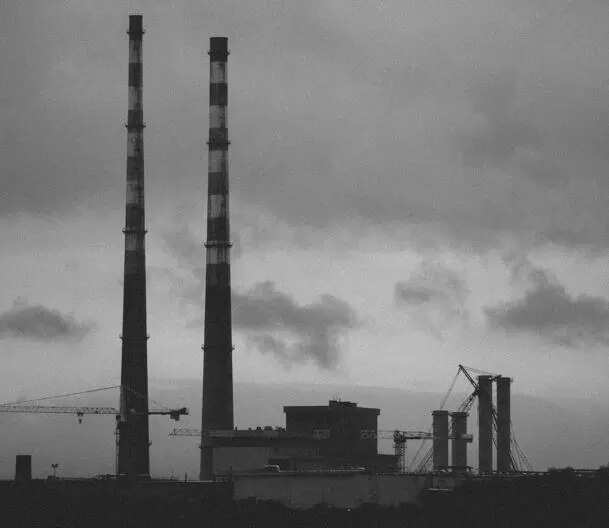
NEW DELHI: Thermal power, predominantly from coal-based plants, continues to be the backbone of India's electricity supply, accounting for 70% of power consumed in the April-June quarter of this fiscal year, according to data presented in Parliament.
Minister of State for Power Shripad Yesso Naik informed the Rajya Sabha that during non-solar peak-demand hours, coal-based generation's share rose to as high as 75%. This highlights the persistent reliance on thermal power even as renewable energy capacity expands.
India's total installed power capacity stands at 548.8 gigawatts (GW), with renewable energy sources—including solar, wind, nuclear, and hydro—now making up over 54% of the mix. In fact, wind and solar energy together generated more than 100 GW earlier this month, setting a record. However, the inherent variability of these sources means that coal-fired plants are essential when solar output drops or wind speeds decline.
Coal- and lignite-based thermal plants have an installed capacity of 230.8 GW. In the first quarter of FY27, their maximum generation reached about 188.8 GW. The minister noted that 9.5 GW of thermal capacity was added in 2025-26, with an additional 2.3 GW commissioned this fiscal year.
On the fuel supply front, Naik reported that as of July 12, coal stocks at thermal plants stood at 42.8 million tonnes—sufficient for 14 days at an 85% plant load factor. He assured that coal receipts are meeting daily requirements and that a joint committee of the ministries of power, railways, and coal is monitoring supplies daily.
In response to another query, the minister said 11 pumped storage projects (15.8 GW aggregate capacity) are under construction, and six more (8.2 GW) have received concurrence from the Central Electricity Authority. Pumped storage helps integrate variable renewable energy by storing excess power for later use.
While the growth in renewables is encouraging, the data underscores that thermal power remains crucial for grid stability and meeting demand, especially during non-solar hours.


