Taslima Nasreen's Delhi protest warning draws flak, praise
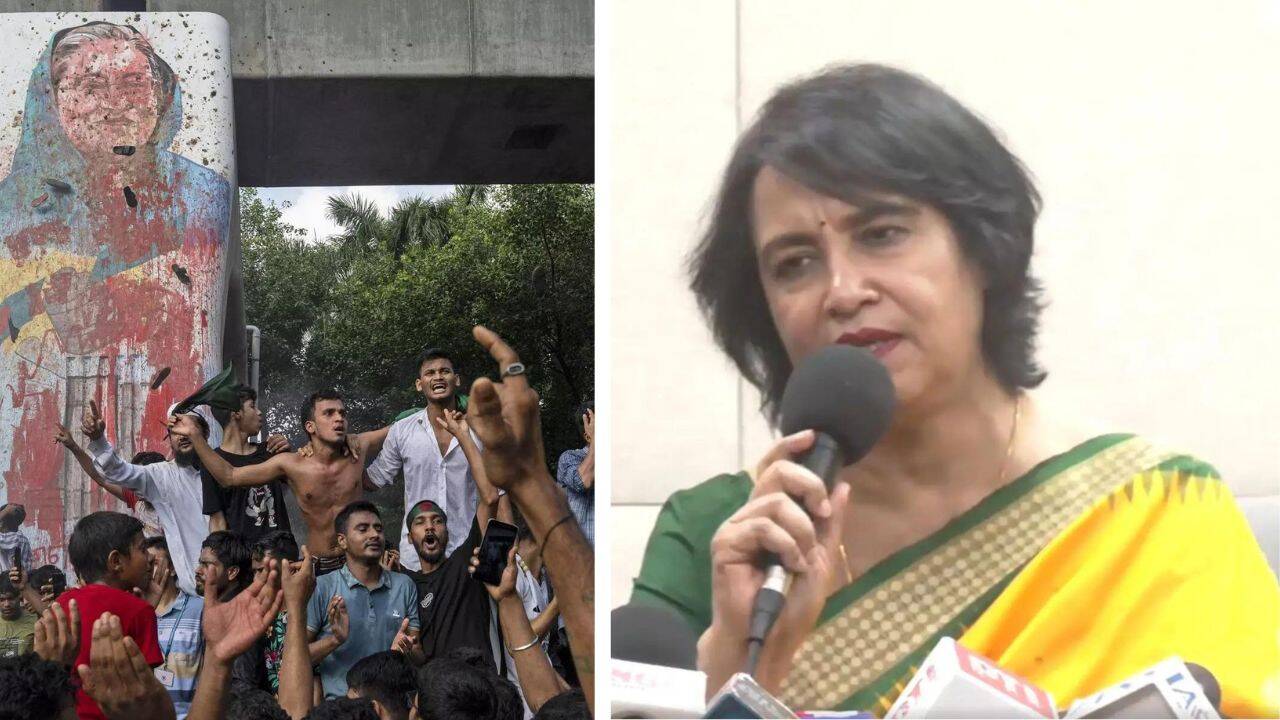
Exiled Bangladeshi writer Taslima Nasreen has triggered a debate with her remarks on the ongoing student protests in Delhi, drawing parallels with the 2024 mass movement in Bangladesh. In a series of social media posts, she cautioned that the protests could be 'fooled' by vested interests, just as she claimed the Bangladesh movement was.
Nasreen, who has lived in exile since 1994 after facing death threats from fundamentalist groups, wrote: 'The 2024 movement fooled Bangladesh. Students in Delhi should learn a lesson from that before it is too late.' Her comments came amid demonstrations by university students in the national capital over various demands, including hostel fees and examination reforms.
The writer's remarks have divided opinion. Supporters argue she brings a necessary perspective from a neighbouring country where a pro-democracy uprising ultimately led to a change in government but a faltering transition. Critics, however, accuse her of oversimplifying complex local issues and interfering in India's internal matters.
Political analyst Ritu Sharma said, 'Nasreen's reference is to the way the anti-government protests in Bangladesh in 2024 were initially celebrated but later saw a backlash over unfulfilled promises. She is cautioning Delhi students to be wary of being used by political outfits.'
The Delhi Police have so far not commented on the protests, which have seen sporadic clashes between students and authorities. University officials maintain that most demands have been addressed, while student leaders say the response is inadequate.
Nasreen's statement has also drawn attention to the situation in Bangladesh, where the interim government under Muhammad Yunus is grappling with economic challenges and demands for accountability from the previous regime. Rights groups have expressed concern over rising incidents of violence against minorities, which the government denies.
The writer's words resonate with a section of Indian students who see a pattern in how protests are handled. 'We are not against peaceful demonstrations, but we must ensure our movement is not hijacked by extremists,' said a Delhi University student who wished to remain anonymous.
At the same time, many have pointed out that India's democratic institutions and legal frameworks provide safeguards not present in Bangladesh. 'Comparing the two situations is like comparing apples with oranges,' retired professor M.K. Menon said. 'Indian students have laws to protect their rights, and the judiciary is active.'
Nasreen, known for her outspoken views, has been a controversial figure in Bangladesh. She has previously supported women's rights and secularism, which has made her a target of Islamist groups. Her latest comment is being seen as an extension of her long-standing critique of the politics of the region.
The protests in Delhi show no sign of abating. As the standoff continues, Nasreen's words have added a new dimension to the debate, reminding both students and authorities that the path of social change is often fraught with unintended consequences. Whether her warning will be heeded remains to be seen.