Tariff Clash on Trucks Upends US-Canada Trade Negotiations
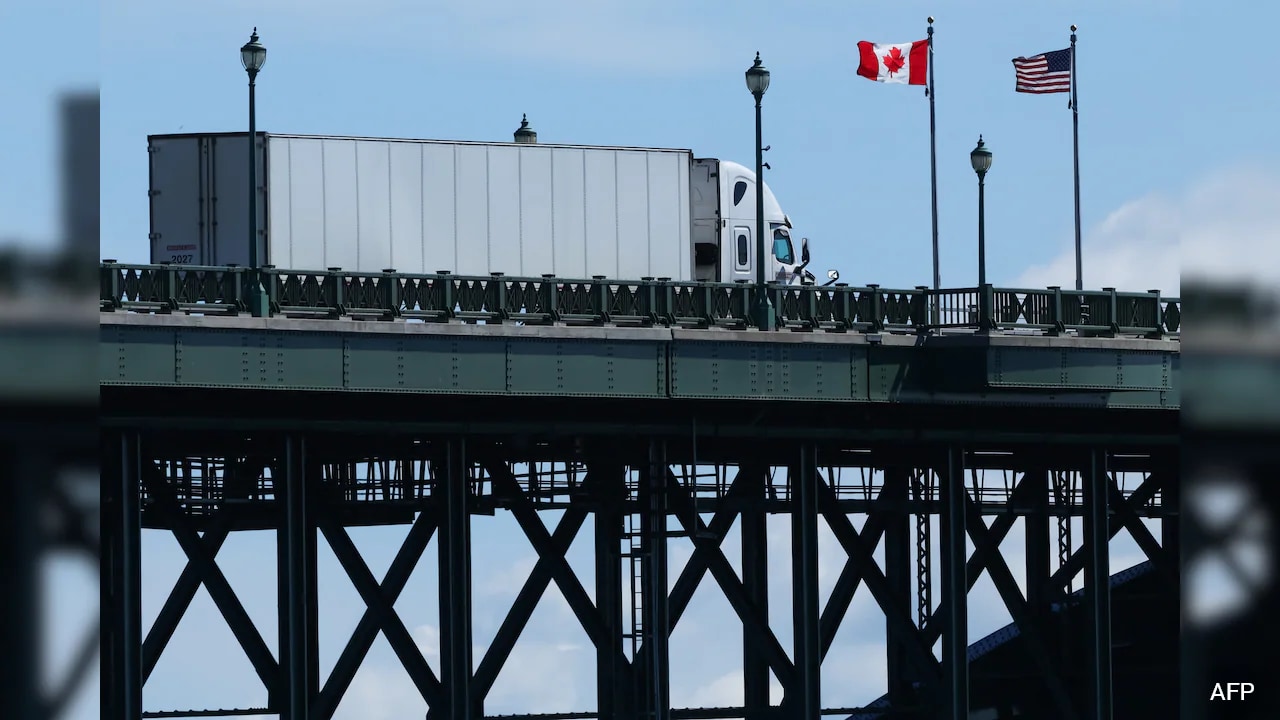
Trade negotiations between the United States and Canada collapsed on Friday, with sources familiar with the discussions attributing the breakdown to a last-minute disagreement over tariffs on Canadian medium- and heavy-duty vehicles. The two countries were reportedly close to an outline deal that would have reduced US sectoral tariffs on automobiles, steel, aluminium, and lumber.
According to people who spoke on condition of anonymity to describe private talks, the Canadians insisted on additional tariff relief for larger vehicles during a phone call late Friday. The Americans declined the request. Under the framework being considered, the regular auto tariff would have been cut to 15 percent from the current 25 percent. Canada sought to extend that relief to vehicles ranging from large pickup trucks to commercial vehicles.
Canadian Prime Minister Mark Carney said on Saturday that excluding trucks from the relief “is a big change, obviously.” He noted that without the tariff cut, Ford’s new Ontario plant, which manufactures F-350 and larger pickup trucks, “would have been excluded. No rationale,” he added.
US officials reportedly viewed the request as an additional demand not part of the original deal. However, a Canadian industry representative suggested that the US had attempted to divide the sector. Flavio Volpe, president of the Automotive Parts Manufacturers’ Association, told the Canadian Broadcasting Corp. that the Americans “pulled that classification out of the class of product that would get a reduced tariff,” referring to super-duty pickup trucks. He suggested the move might be aimed at eliminating auto manufacturing in Canada.
Both sides have blamed each other for the sudden collapse, which led the US to impose new 50 percent tariffs on approximately $20 billion in Canadian goods. In response, Carney announced dollar-for-dollar counter-tariffs on American products, effective September 8.
Lana Payne, national president of Unifor, Canada’s largest private-sector union, said Ottawa had no choice but to draw a line. She expressed concern that accepting a tariff carve-out for US parts alone would lead to more aggressive demands during negotiations on the broader North American trade pact. “Eventually you're getting away from being able to have a competitive sector in Canada,” she said.
Unifor had urged the Carney government to seek an exemption for auto parts compliant with the existing North American trade agreement. Carney’s office declined to comment, and the White House and the office of the US Trade Representative did not immediately respond to requests for comment.
The collapse marks a significant setback in ties between the two neighbours, which had been working to ease tensions over trade. The proposed deal was seen as a step toward resolving long-standing disputes on multiple fronts, but the truck tariff issue proved insurmountable. Analysts say the failure could have broader implications for North American supply chains, particularly in the automotive sector, which relies on cross-border integration.







