Tanker With 27 Indians Hit by Limpet Mines in Hormuz: What Are These Naval Devices?
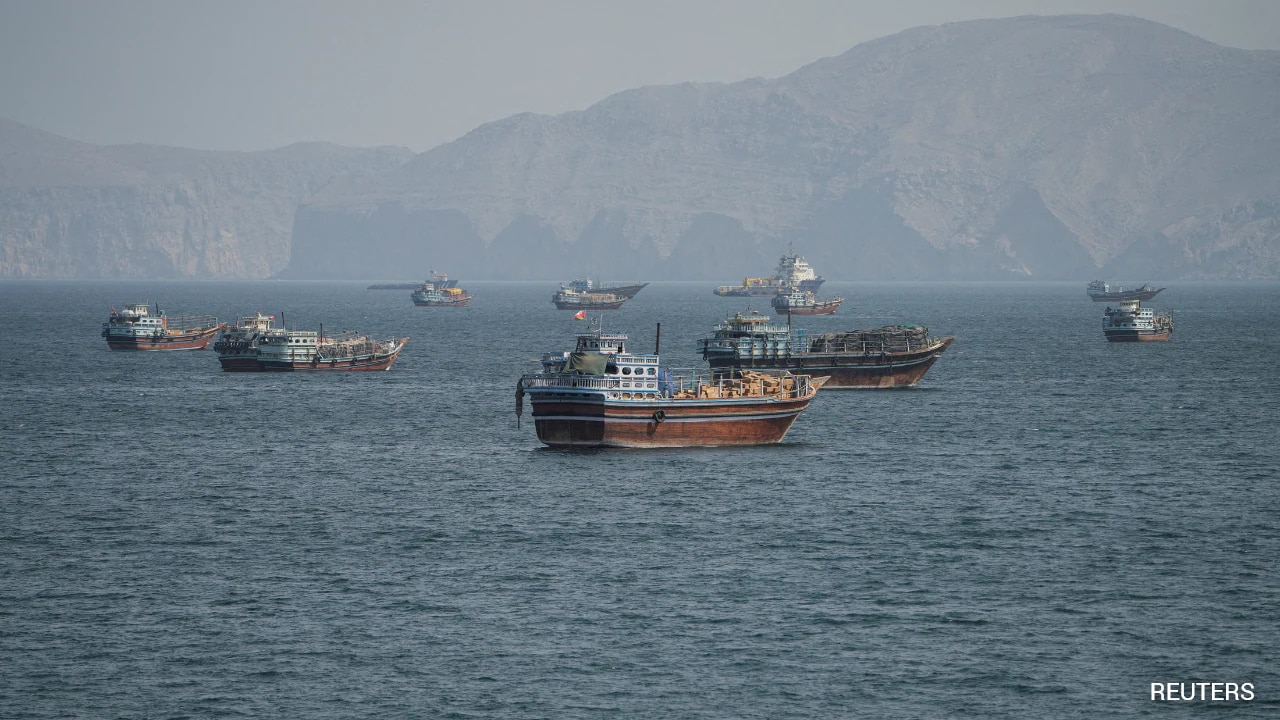
Reports said a Panama-flagged crude oil tanker carrying 27 Indian crew members was hit by two limpet mines in the Strait of Hormuz on Friday, triggering a fire in its engine room and leaving the vessel immobilised.
Iran’s Islamic Revolutionary Guard Corps (IRGC) said earlier that three oil tankers had been halted after encountering unspecified “incidents” or hitting mines. In a statement, the IRGC said two tankers — one in the eastern part and the other in the western part of the strait — were attempting to pass through an “unauthorised route” when they encountered incidents and were stopped in waters south of the strait.
Limpets are small, cone-shaped sea snails that cling tightly to rocks. The naval mines that damaged the tanker take their name from these snails because of their shape, size and method of attachment. The mines are not designed to sink large ships or cause mass casualties; their purpose is to “mission kill” a vessel — to immobilise it and take it out of action.
Naval technology descriptions say limpet mines have a computer-controlled detonation system. They are attached to a ship’s hull and can be placed by a swimmer, diver or frogman. They are lightweight, easy to carry and, because of their conical shape, easier to position. Magnets help divers attach them quickly to a hull.
The mines contain small explosive charges that detonate through a time-delay device or fuse set by the person who attaches them. Some models have an anti-removal feature that causes them to explode if someone tries to take them off the hull. They are typically placed near critical areas such as the engine, steering gear or propulsion elements — shafts and propellers — to make it difficult for the ship to move.
The water around the mine adds to its destructive force. Outside water, the charge may cause only limited damage; underwater, the surrounding water amplifies the blast, which can create a large hole or cause significant damage to the hull. Removing a limpet mine is a specialised task for trained technicians. The devices should not be underestimated: an underwater explosion can easily injure sinuses, lungs or other vital organs.
Limpets are not new. They were used during World War II, and many navies around the world have them in their arsenals. The United States Navy used them in the early 1970s, according to a New York Times report. Their use in the Strait of Hormuz is significant because the waterway is one of the world’s most congested shipping lanes.
Greece-based maritime risk management group Marisks said in a note on Friday that the apparent ability of a small craft to approach a transiting tanker, deploy explosive devices and withdraw presented a significant security concern, particularly in the strait’s congested lanes.
The incident comes amid heightened maritime security tensions in the Strait of Hormuz. The strait is a narrow waterway at the mouth of the Persian Gulf and a critical route for global oil shipments. Any disruption there can affect international shipping and energy markets.
The tanker’s crew included 27 Indians. The fire in the engine room was triggered by a chain of detonations after the limpet mines struck, leaving the vessel paralysed for the time being. The use of limpet mines in the Strait of Hormuz has raised questions about the security of commercial shipping in the region. The IRGC’s statement and the Marisks note underline the difficulty of protecting large, slow-moving tankers from small craft and divers in narrow, crowded waters.