Tamil Nadu Sets Up Revenue Panel Led by Former Planning Commission Deputy Chairman Montek Singh Ahluwalia

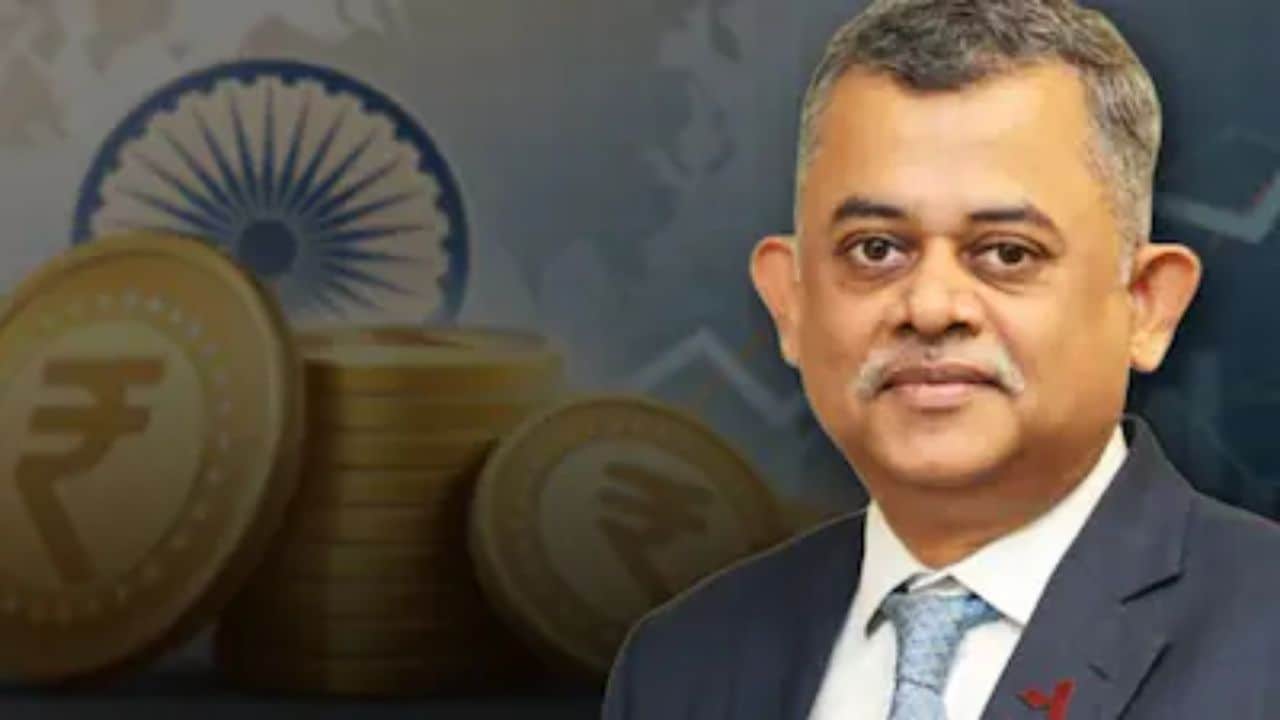
The Tamil Nadu government has constituted a Revenue Augmentation Committee under the chairmanship of Montek Singh Ahluwalia, an economist who served as Deputy Chairman of the Planning Commission and a member of the Prime Minister’s Economic Advisory Council.
The committee has been tasked with recommending measures to sustainably increase the state’s tax and non-tax revenues. Its responsibilities include improving compliance, plugging leakages, rationalising tax rates, fees and exemptions, and identifying new and underutilised revenue sources.
The government, which had already presented a white paper on the state’s finances, stated that revenue growth must align with economic growth and that the resource base needs to be augmented and sustained.
The committee’s objective is to strengthen the state’s fiscal self-reliance and create the fiscal space necessary to meet its developmental commitments, according to a Government Order issued by the Finance Department.
The panel will function for three months and will be treated as a Class I Committee for travel, hospitality and related expenses.
Other members include K.P. Krishnan, Chair Professor of Economics at the National Council of Applied Economic Research (NCAER) and Honorary Professor at the Centre for Policy Research (CPR), New Delhi; Arbind Modi, tax policy expert and former economist at the International Monetary Fund’s Fiscal Affairs Department; Najib Shah, retired IRS officer and former Chairman of the Central Board of Excise and Customs; M.A. Siddique, Additional Chief Secretary to the Government, Finance Department; and M. Suresh Babu, Director of the Madras Institute of Development Studies.
The committee will identify new and underutilised revenue sources, examine non-tax avenues including dividends from public sector undertakings, land and asset monetisation, and improved user charges. It will also recommend measures to strengthen revenue security by plugging systemic leakages, curbing tax evasion and addressing administrative inefficiencies in revenue-collecting departments through structural reforms and greater use of technology.
Additionally, the committee will suggest ways to enhance revenue from alcohol for human consumption through changes in regulation and taxation policy.
The committee may call for records from any government department, public sector undertaking or revenue-collecting agency, and can require officers to appear before it. All departments must comply with its requests within the stipulated time.
It may also co-opt or invite experts as special invitees and form sub-groups for specific revenue heads like State Excise/TASMAC, Registration and Stamps, Mines and Minerals, Commercial Taxes, Motor Vehicles, and non-tax revenue.
The Finance Department will provide secretarial and analytical support, maintain records, coordinate with departments, and monitor implementation of recommendations.