Takaichi Avoids Yasukuni Shrine on WWII Anniversary, but Cabinet Ministers Visit
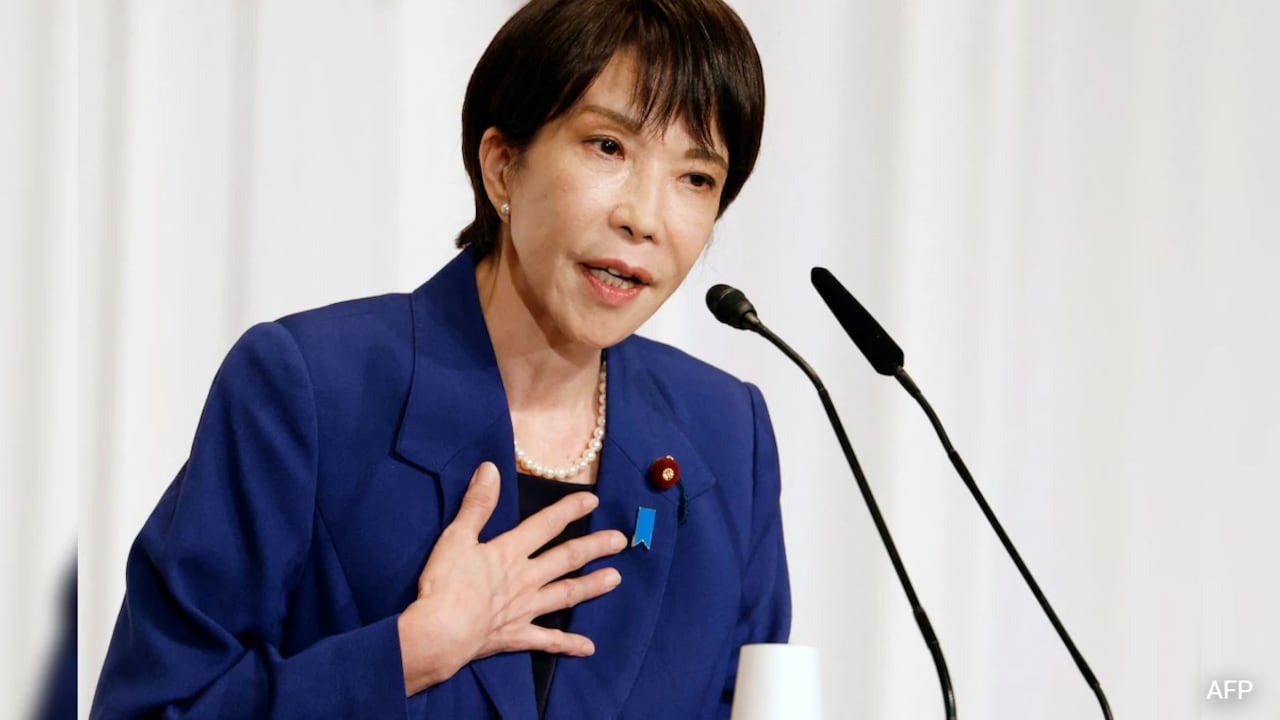
Japanese Prime Minister Sanae Takaichi stayed away from Tokyo's controversial Yasukuni Shrine on Saturday, as Japan marked the 81st anniversary of its surrender in World War II. Her decision appears aimed at avoiding further friction with China and South Korea, which have long protested visits by Japanese leaders to the shrine.
However, in her address at a ceremony in Tokyo, Takaichi did not mention Japan's wartime aggression or express remorse for its actions during the war. Instead, she mourned victims of the atomic bombings of Hiroshima and Nagasaki, as well as those who died in battle, and thanked them for their sacrifice as the foundation of Japan's peace and prosperity.
The Yasukuni Shrine commemorates over 2.4 million war dead, but it became a flashpoint in international relations after 14 convicted Class-A war criminals were enshrined there in 1978. China and South Korea view visits by Japanese officials as a sign that Japan has not fully repented for its wartime atrocities, including mass killings, forced labour, and the sexual enslavement of women during its occupation of large parts of Asia.
Despite Takaichi's absence, Defence Minister Shinjiro Koizumi, three other Cabinet ministers, and several ruling party and opposition lawmakers visited the shrine on Saturday. The Liberal Democratic Party's secretary general, Shunichi Suzuki, also visited and said he offered cash on behalf of Takaichi, who is the party's leader. He did not disclose the amount.
In a post on X after his visit, Koizumi said he had renewed his resolve to renounce war and would continue to fulfill Japan's postwar responsibility as a peace-loving nation. Koizumi is the son of former Prime Minister Junichiro Koizumi, whose visit to Yasukuni on August 15, 2006, severely strained ties with China.
China's Foreign Ministry strongly protested the visits, saying they reflected an intention to overturn the verdict on war criminals, cover up Japan's war crimes, and distort history. The ministry urged Japan to engage in serious soul-searching and make a clean break with militarism. Tensions between the two countries have escalated since November, when Takaichi said a Chinese attack on Taiwan could constitute a survival-threatening situation for Japan, prompting outrage in Beijing.
South Korea's foreign ministry also criticised the visits and offerings as anachronistic and disrespectful of history, calling on Japan to demonstrate remorse. However, South Korean President Lee Jae Myung adopted a more conciliatory tone in a speech marking the 81st anniversary of Korea's liberation from Japanese colonial rule. He stressed that his administration favours pragmatic diplomacy and said Korea-Japan cooperation is now more important than ever.
Japanese emperors have avoided visiting Yasukuni since the war criminals were enshrined, and have expressed regret over Japan's wartime past in measured terms. Emperor Naruhito, speaking at Saturday's ceremony, said he hopes the ravages of war will never be repeated while reflecting on the past and bearing in mind feelings of deep remorse.
Japan has adhered to a pacifist constitution since its defeat in 1945, but its handling of wartime history continues to draw scrutiny from its neighbours. The visits by senior officials on the anniversary are likely to keep the issue at the centre of regional diplomacy.







