Surgeons in Moscow Report World's First Spinal Cord Transplant on Paralysed Patient
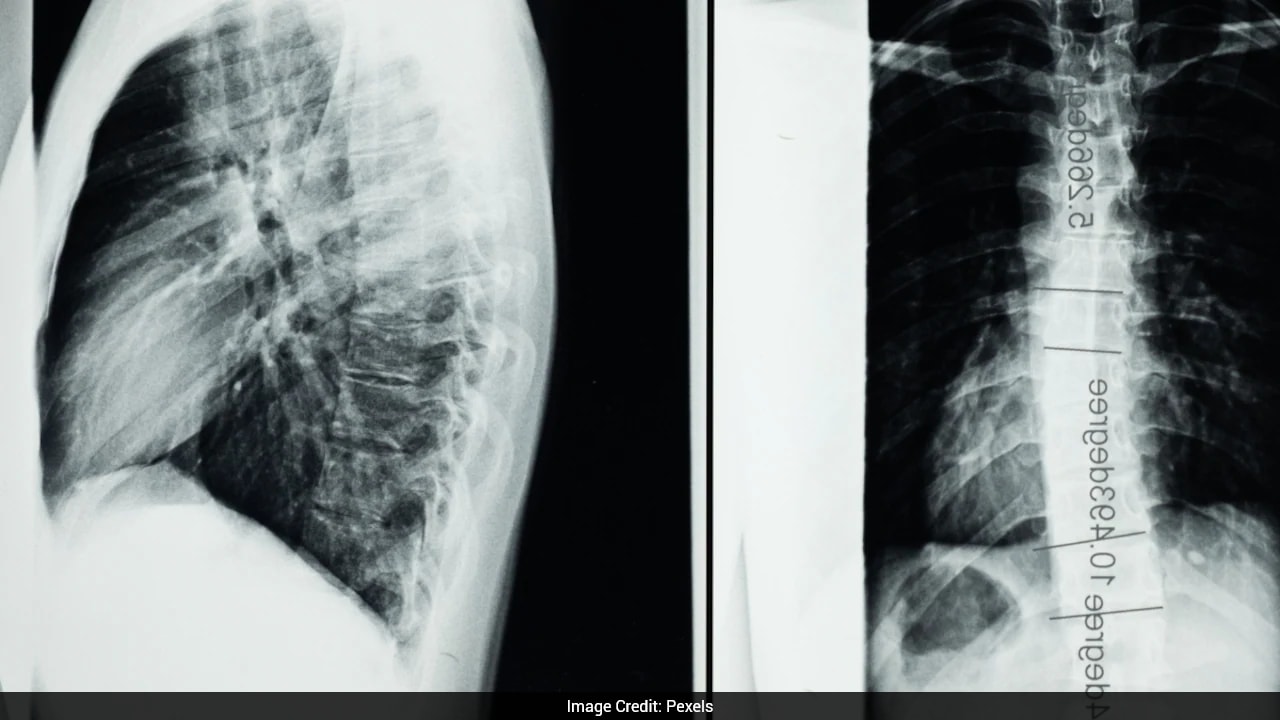
A joint Chinese and Russian medical team says it has carried out what is being described as the world's first spinal cord transplant, replacing a damaged section of a paralysed patient's spinal cord with tissue from a brain-dead donor in Moscow.
The surgery is reported to have taken place at the Sklifosovsky Research Institute for Emergency Medicine and to have lasted about 12 hours, across October 14 and 15. It was led on the Chinese side by surgeon Ren Xiaoping of the Guangxi University of Chinese Medicine Second Affiliated Hospital, working with Russian medical professionals, according to accounts given to the South China Morning Post.
According to those accounts, the patient had suffered a spinal cord injury three years earlier that left the spinal cord severed. The team removed the damaged segment and replaced it with a section taken from a donor who had been declared brain-dead. Surgeons used microsurgical techniques along with polyethylene glycol, a chemical compound that is being studied for its ability to help fuse cell membranes.
Ren told the newspaper that the operation was a joint effort and that the patient's condition was stable afterwards.
Moscow Mayor Sergey Sobyanin also posted an update on Telegram on October 16, saying the patient, who had faced the risk of complete paralysis, had been given a chance to recover and was feeling well.
What is not yet known
The claims have not been published in a peer-reviewed medical journal, and no independent verification of the procedure or its results has been made available. The team has not disclosed detailed information about the patient's neurological status, such as whether any movement or sensation has returned, or what follow-up care and immunosuppressive treatment the patient is receiving.
In spinal cord transplantation, the recipient's immune system would be expected to recognise donor nerve tissue as foreign, which is why such procedures would typically require drugs to suppress immune rejection. Regrowth and reconnection of severed nerve fibres is also a slow process, and any meaningful recovery would only become apparent over months or years of monitoring.
Ren has previously said he intended to attempt the world's first human head transplant, a claim that has drawn scepticism from many surgeons. That history is relevant context when assessing early announcements of first-of-their-kind operations.
Why spinal cord injury is so difficult to treat
The spinal cord carries nerve signals between the brain and the rest of the body. When it is severed, those signals are interrupted, leading to loss of movement and sensation below the level of injury. Unlike some other tissues, the central nervous system does not ordinarily regenerate after such damage, and scar tissue that forms at the injury site further blocks repair.
Current treatment focuses on stabilising the spine, limiting further damage, surgery where appropriate and long-term rehabilitation. Researchers worldwide are exploring stem cells, nerve grafts, biomaterials and electrical stimulation, but none of these approaches has yet been established as a reliable way to restore lost function in people with complete spinal cord injuries.
What to watch
The credibility of the Moscow case will depend on transparent clinical reporting: the patient's condition before and after surgery, imaging and neurological assessments, complications, and outcomes tracked over time. Until that information is available and reviewed by independent specialists, the procedure should be understood as a reported attempt rather than a demonstrated treatment.