Supreme Court to Frame Standard Operating Procedure for Urgent After-Hours Petitions
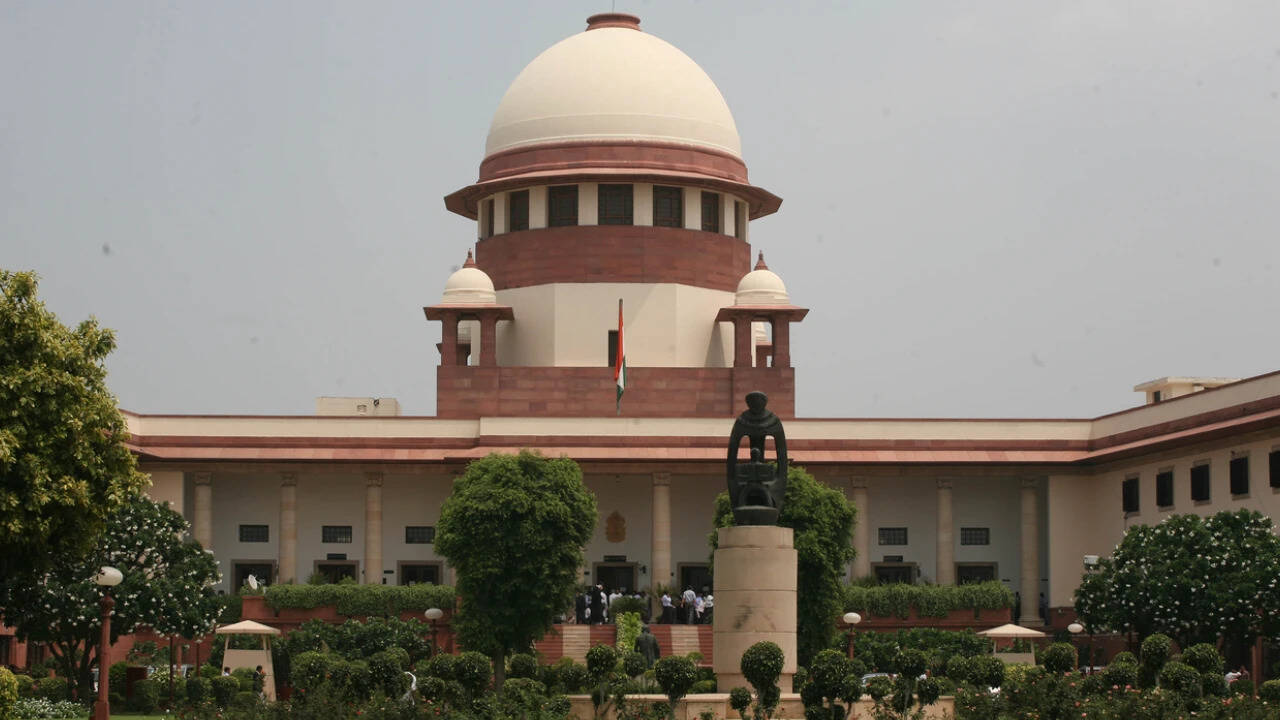
The Supreme Court of India has announced its intention to formulate a Standard Operating Procedure (SOP) to hear urgent petitions concerning matters of life and liberty after court hours. This decision came in response to a plea by a lawyer seeking immediate access for such cases, highlighting the need for a structured mechanism to address constitutional rights violations that arise outside regular working hours.
The court, through a bench headed by the Chief Justice of India, acknowledged the importance of ensuring that no citizen is denied prompt judicial remedy when fundamental rights, particularly the right to life and personal liberty under Article 21 of the Constitution, are at stake. The proposed SOP will exclusively deal with petitions that involve imminent threats to life or personal liberty, ensuring that the court's intervention remains focused on the most critical matters.
This move is expected to streamline the process of filing and hearing such petitions, which are often filed late at night or on holidays. Currently, litigants and lawyers rely on the discretion of judges to accept after-hours petitions, leading to inconsistencies and delays. By codifying the procedure, the Supreme Court aims to provide a clear, accessible pathway for urgent relief while maintaining judicial discipline.
The court also emphasized that the SOP would not be a blanket permission for all matters to be heard after hours. Only cases where there is a real and immediate danger to life or liberty will be entertained. This aligns with the constitutional mandate to protect fundamental rights without encouraging frivolous litigation that could burden the judiciary.
Legal experts have welcomed the initiative, noting that it reinforces the judiciary's role as the guardian of constitutional values. They pointed out that courts have historically entertained urgent matters after hours on an ad hoc basis, but a formal SOP would bring transparency and predictability. The Supreme Court's willingness to address logistical challenges reflects its commitment to upholding the rule of law in all circumstances.
The exact timeline for finalizing the SOP has not been disclosed, but the court indicated that it would consult with all stakeholders, including bar associations and registry officials, to ensure the procedure is practical and effective. Once implemented, the SOP will be publicized widely to ensure all citizens are aware of the mechanism to seek urgent judicial redress.
This development is part of broader efforts by the Indian judiciary to enhance access to justice. In recent years, the Supreme Court has introduced several reforms, including e-filing and virtual hearings, to make the judicial process more efficient and inclusive. The after-hours SOP is another step in that direction, ensuring that the doors of the court remain open when constitutional rights are under immediate threat.