Supreme Court Sets September 7 Deadline for Airfare Rules
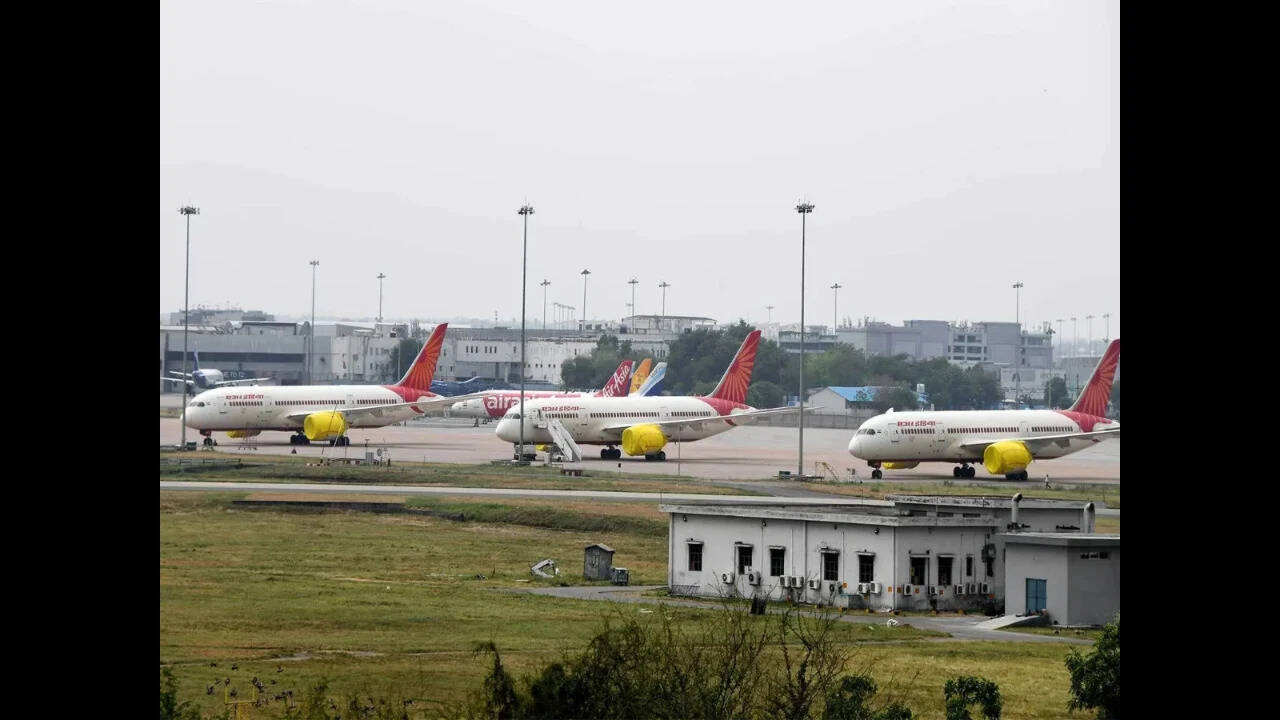
The Supreme Court on Tuesday directed the central government to frame comprehensive rules governing airfares by September 7, a move aimed at protecting passengers from arbitrary pricing and ensuring transparency in the aviation sector. The order came during a hearing on a plea that highlighted the lack of a clear regulatory framework for air ticket pricing in India.
The court observed that while airlines enjoy commercial freedom, the interests of passengers cannot be ignored, especially during emergencies or peak travel seasons when fares often skyrocket unpredictably. The bench asked the Ministry of Civil Aviation to finalise the guidelines after consulting all stakeholders, including airlines, consumer groups, and industry experts.
The directive underscores the judiciary's stance on balancing market flexibility with consumer welfare. The government has been asked to submit a report on the actions taken by the next hearing date. This is not the first time the Supreme Court has intervened in airfare matters; earlier petitions have raised concerns over exploitative pricing during natural disasters and medical emergencies.
Currently, India follows a regime of deregulated airfare pricing, allowing airlines to set their own tariffs based on demand and competition. However, critics argue that during times of crisis, such as floods or the recent pandemic, there have been instances of exorbitant fares, leaving passengers with little recourse. The proposed rules are expected to introduce mechanisms for fare capping, advance tariff disclosure, and grievance redressal.
Legal experts note that the September 7 deadline gives the government a clear timeline to bring clarity to an often opaque system. While the aviation ministry has not yet publicly responded, sources indicate that a draft policy is already under consideration. The final rules could also align with global best practices, where some countries impose fare ceilings on domestic routes.
Consumer rights groups have welcomed the court's intervention, stating that it addresses a long-pending demand for accountability in air travel pricing. They hope that the new framework will prevent sudden fare spikes and make air travel more affordable for the common person.
As the deadline approaches, all eyes will be on the government's response. The Supreme Court's directive marks a significant step toward regulating one of the most dynamic sectors in the country, balancing the needs of industry with public interest.







