Supreme Court Refuses Suo Motu Action on Jantar Mantar Protest, Says No Time for Videos
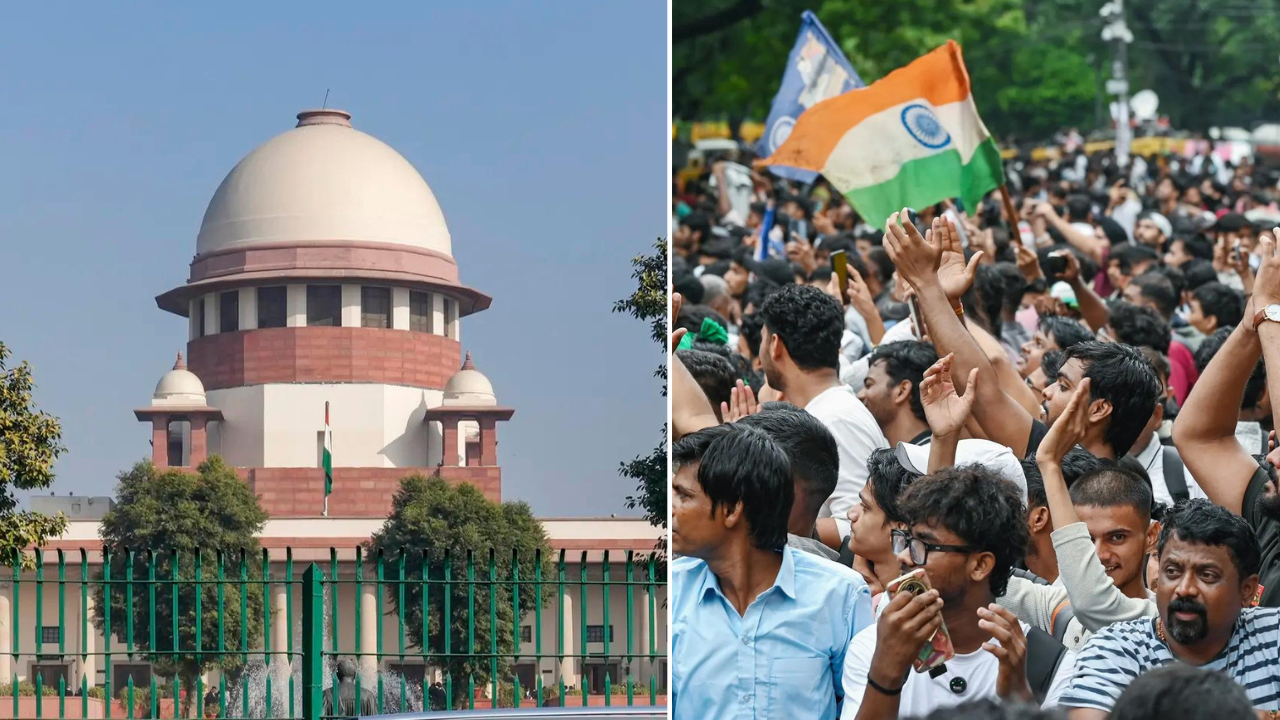
The Supreme Court of India on Tuesday declined a plea seeking suo motu action over a protest at Jantar Mantar in New Delhi, stating that the judges do not have time to watch videos of the incident. A bench of Justices Sanjay Kishan Kaul and Sudhanshu Dhulia was hearing a petition filed by advocate Rakesh Malhotra, who sought the court's intervention into alleged violations during the protest.
The court remarked, 'We don't have time to watch videos. You go to the concerned authorities.' The petitioner had submitted video clips purportedly showing illegal activities during the protest, but the bench was unwilling to review the footage directly. The court noted that it cannot be expected to scrutinize video evidence for every such matter and directed the petitioner to approach the police or other appropriate authorities.
The protest at Jantar Mantar was organized by the 'Save Democracy Forum' against the central government's new farm laws. The demonstration had been ongoing for several weeks, with participants alleging police excesses. However, the Supreme Court's refusal to take suo motu cognizance underscores the limits of judicial intervention in such matters.
Legal experts explain that suo motu actions are discretionary and typically reserved for matters of grave public importance involving constitutional violations. The court's decision to decline does not necessarily imply endorsement of the alleged actions but rather a recognition of judicial restraint. 'The courts cannot be expected to act as investigative agencies or to review every piece of evidence submitted in public interest petitions,' said senior advocate Indira Jaising.
The Supreme Court has previously taken suo motu cognizance of incidents such as the Delhi communal violence and the Hathras rape case. However, the bench in this instance felt that the matter did not warrant such extraordinary action. The court advised the petitioner to file a formal complaint with the police or seek other legal remedies.
The ruling has drawn mixed reactions. Some activists argue that the court's reluctance may undermine accountability, while others appreciate the court's effort to manage its heavy workload. The Supreme Court currently has over 70,000 pending cases, and judges often express concerns over time constraints.
In conclusion, the Supreme Court's decision to decline suo motu action on the Jantar Mantar protest highlights the balance between judicial activism and restraint. The petitioner has been directed to approach appropriate authorities, leaving further action to the executive and law enforcement agencies.