Supreme Court Quashes Death Penalty in 1996 Bus Blast, Orders Retrial Over Fair Trial Violations

The Supreme Court on Tuesday set aside the conviction and death sentence of Abdul Hameed in the 1996 Samleti bus bomb blast case, citing denial of effective legal representation and other procedural lapses that violated his constitutional right to a fair trial. The court ordered a fresh trial to be completed within one year.
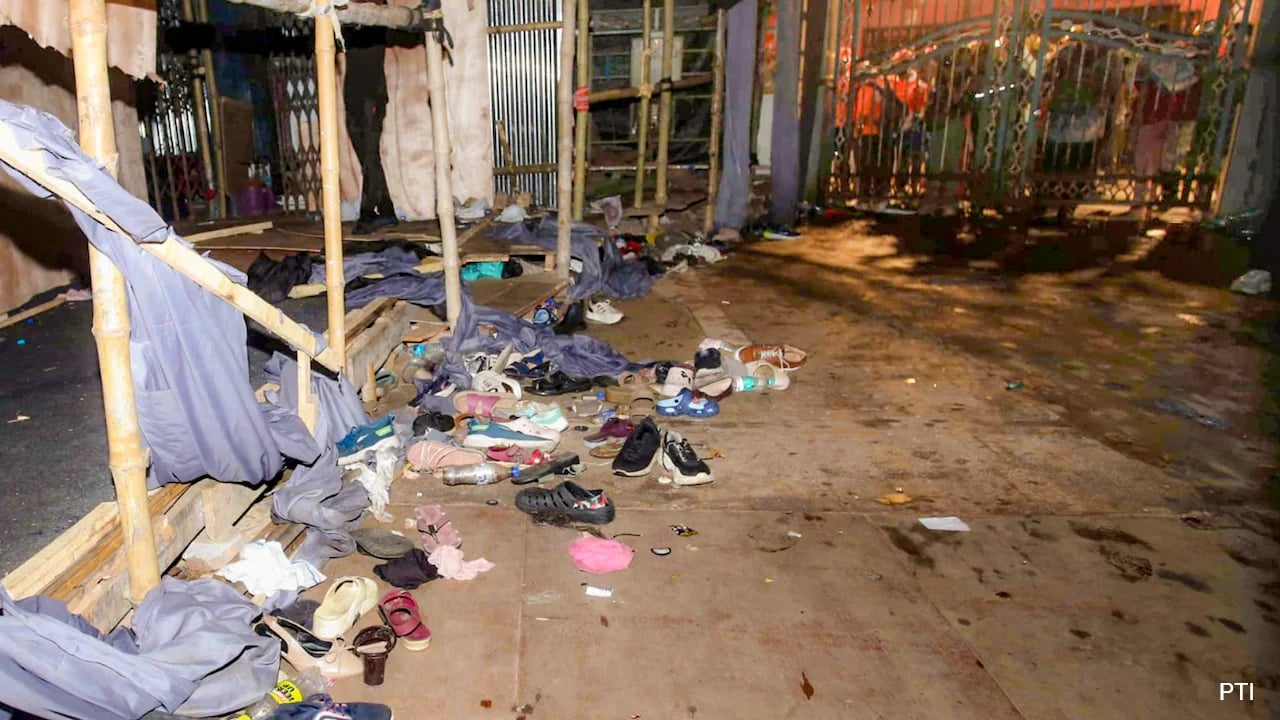
The blast occurred on May 22, 1996, when a bomb exploded on a Rajasthan Roadways bus near Samleti village, killing 14 people and injuring 39 others. The attack took place a day after the Lajpat Nagar bomb blast in Delhi.
A bench of Justices Vikram Nath, Sanjay Karol, and Sandeep Mehta set aside the Rajasthan High Court's July 2019 judgment that had upheld Hameed's conviction and death sentence. With this ruling, the case currently has no convicted accused, and all other accused stand acquitted.
Justice Mehta, who authored the judgment, noted that the trial record clearly showed Hameed was not provided meaningful legal assistance. He had to cross-examine prosecution witnesses himself and was left to fend for himself in a case of exceptional seriousness and complexity.
“The obligation to ensure that the accused is provided appropriate legal aid is upon the Court, and the accused cannot be faulted for the Court’s failure to discharge its constitutional obligation of ensuring a fair trial. The constitutional guarantee of a fair trial is absolutely non-negotiable and cannot be sacrificed at the altar of practical convenience,” the bench observed.
Directing a de novo trial, the court asked the Acting Chief Justice of the Rajasthan High Court to assign the retrial to a trial court in Jaipur, to be presided over by an officer of the Rajasthan Higher Judicial Service with at least seven years of experience in criminal trials. The court also directed that before commencing the trial, Hameed must be represented by a counsel of his choice, and if he cannot engage one, the Rajasthan State Legal Services Authority shall appoint a lead defence counsel with at least ten years of standing and an assistant with at least seven years.
Acknowledging the practical difficulties in summoning witnesses nearly three decades later, the bench directed police authorities to extend full assistance to ensure witnesses appear on scheduled dates for expeditious retrial.
The Supreme Court emphasised that the right to legal representation is not a mere formality and that the right to a fair trial is an inseparable part of the guarantee of life and personal liberty under Article 21 of the Constitution. These principles assume greater significance in cases involving offences that shock the collective conscience of society.