Supreme Court plea seeks curbs on Delhi protest march ahead of BRICS Summit
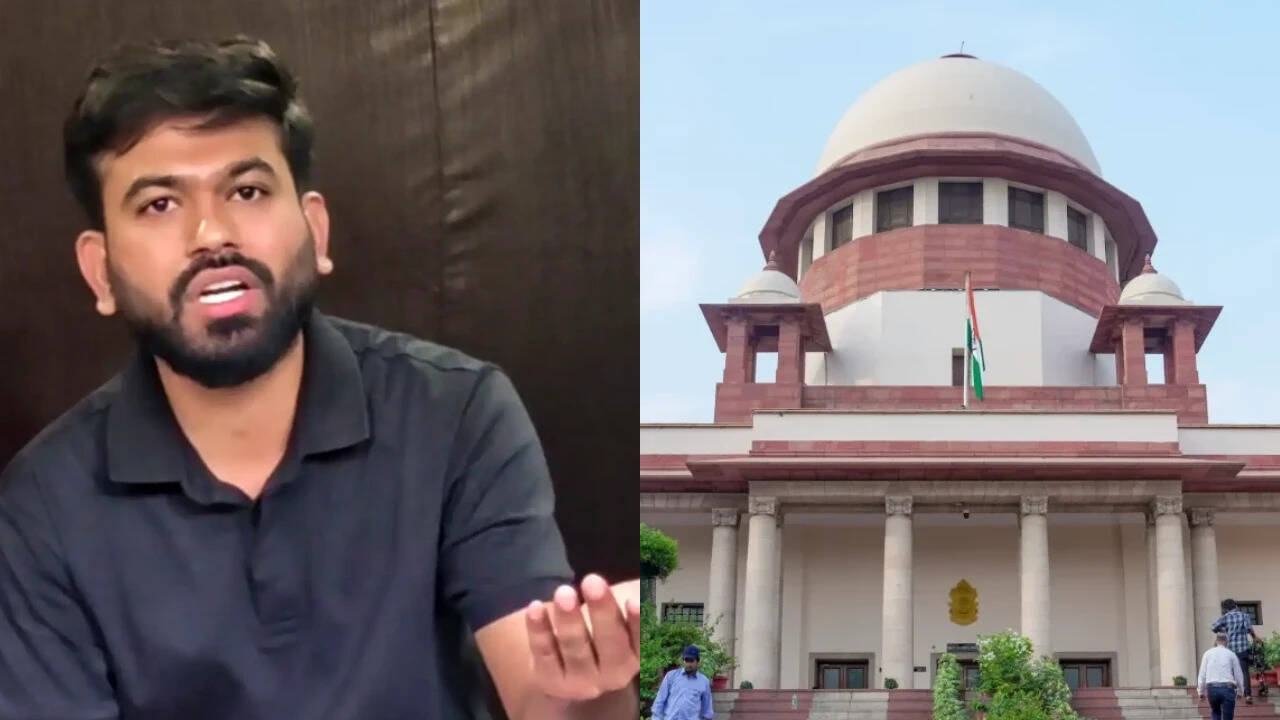
NEW DELHI: A plea has been filed in the Supreme Court seeking directions that no march or procession be taken out in Lutyens' Delhi without prior police permission. The petition, filed by retired Delhi Police officer Rajendra Singh, comes ahead of a proposed protest march on September 5 by a political party known as CJP, led by families of students who died by suicide following the cancellation of the NEET exam and subsequent re-test, as well as those who allegedly faced police excesses during the July agitation.
The CJP's march was announced to protest what it alleges is the Centre's failure to honour assurances made on July 25 that had led the group to withdraw its 36-day agitation over examination irregularities. The proposed route was from India Gate to the Delhi Police Headquarters.
Delhi Police had earlier said it had received no request for a procession on that route, despite the CJP announcing plans for the march. The police have not commented on the plea or the proposed march since the petition was filed.
The fresh plea in the Supreme Court seeks directions that large-scale mobilisation, marches or organised demonstrations in security-sensitive areas, including India Gate, Central Vista and adjoining zones, should not be held without requisite permissions. It also seeks regulation, postponement or modification of any proposed mobilisation in Lutyens' Delhi until after the BRICS Summit scheduled for September 12-13.
The plea further asks that no procession or march be allowed to cross authorised limits except in accordance with permissions and the applicable regulatory framework. The matter is yet to be listed for hearing before the Supreme Court.
Lutyens' Delhi, which includes the Central Vista, Parliament House, Rashtrapati Bhavan and key government offices, is a high-security zone. Previous protests in the area have led to disruptions and security concerns. The BRICS Summit, which will be attended by heads of state from member nations, is expected to bring additional security arrangements to the national capital.
This plea highlights the delicate balance between the right to peaceful protest and the need to maintain public order and security in sensitive areas. The Supreme Court has historically upheld the right to protest but has also allowed reasonable restrictions under Article 19(2) of the Constitution.
The CJP, a registered political party, has not yet responded officially to the plea. Families of the students who died by suicide, as well as those who claim police excesses, have expressed determination to go ahead with the march unless legally prevented.
Legal experts say the court may consider the petitioner's request for prior permission to be a reasonable regulatory measure, provided it does not impose an absolute ban. The outcome of the plea will be watched closely as it could set a precedent for protest management in the capital.







