Supreme Court Orders Fresh Trial in 30-Year-Old Blast Case Over Denial of Legal Aid
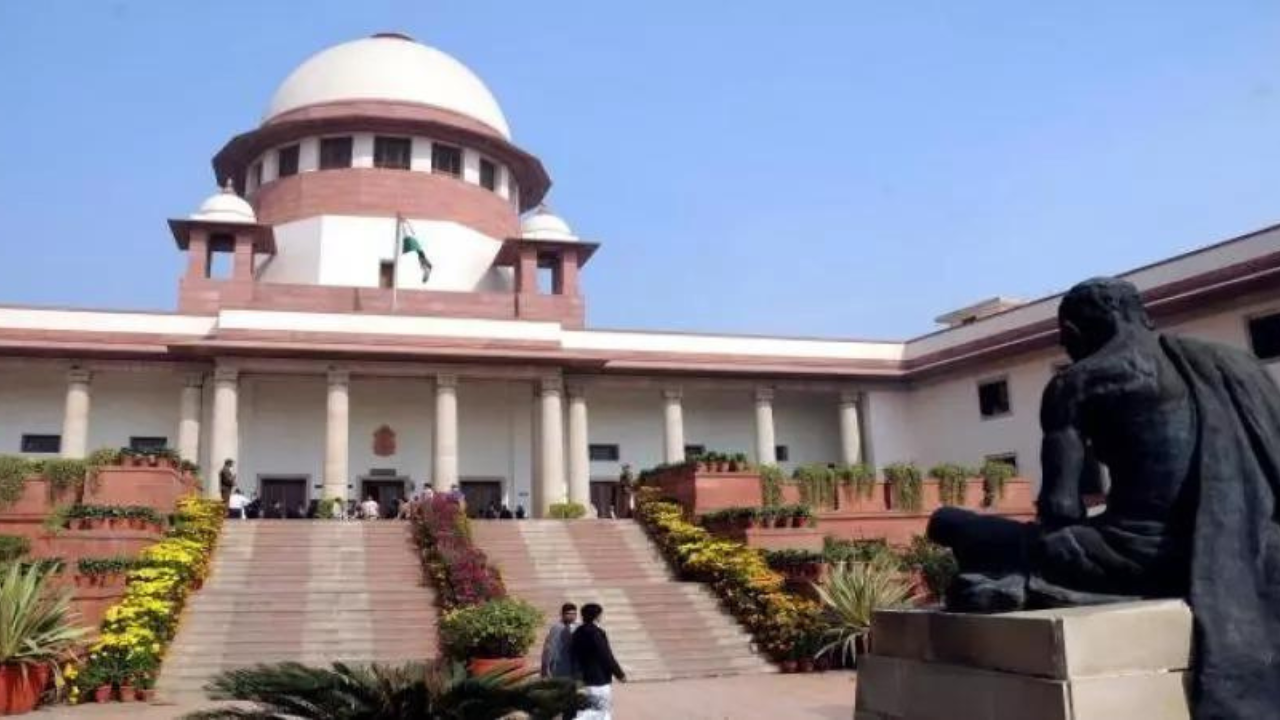
The Supreme Court of India has ordered a fresh trial in a 30-year-old blast case after finding that the accused were not provided legal aid, a fundamental right guaranteed under Article 21 of the Constitution. The decision underscores the court's commitment to ensuring fair trial procedures, even in long-pending cases.
The case dates back to 1994, when an explosion in a crowded market in Uttar Pradesh killed 15 people and injured over 60. Several individuals were arrested and charged under the Explosive Substances Act and other provisions. However, at the trial stage, the accused were either unrepresented or represented by lawyers appointed without proper consideration of their rights. The court noted that many of the accused were illiterate and unaware of their right to legal counsel.
A Bench comprising Justices Surya Kant and N. Kotiswar Singh observed that the denial of legal aid is a serious miscarriage of justice. “The right to a fair trial includes the right to be represented by a lawyer of one's choice, or if not affordable, legal aid provided by the state. This right cannot be compromised, regardless of the nature of the crime,” the court stated in its order.
The Supreme Court's intervention came on appeals filed by some of the convicted individuals, who argued that they were not given adequate opportunity to defend themselves. The court found merit in their submissions and set aside the previous conviction and sentence. It directed that the fresh trial be conducted expeditiously, with proper legal representation for the accused.
Legal experts have welcomed the judgment, noting that it reinforces the principle that justice must be both fair and appear fair. Senior advocate Indira Jaising commented, “This order is a reminder that no one can be denied their day in court simply because they lack resources. The state has a duty to provide competent legal assistance.”
The case had been pending for nearly three decades, with multiple appeals and delays. The Supreme Court's decision may pave the way for similar reviews in other cases where legal aid was inadequate. The court also directed the Uttar Pradesh Legal Services Authority to ensure that legal aid counsel are assigned promptly and monitor the progress of the fresh trial.
Reacting to the order, family members of the victims expressed mixed feelings. While some appreciated the emphasis on due process, others feared that a new trial could delay closure. However, the court assured that the fresh trial would be completed within six months, with priority given to the case.
The judgment is a significant step in upholding constitutional values and ensuring that even the most serious cases are tried without procedural flaws. It reiterates that the right to legal aid is not a mere formality but a cornerstone of criminal justice.