Supreme Court: National Commission for Scheduled Castes Cannot Pass Binding Orders
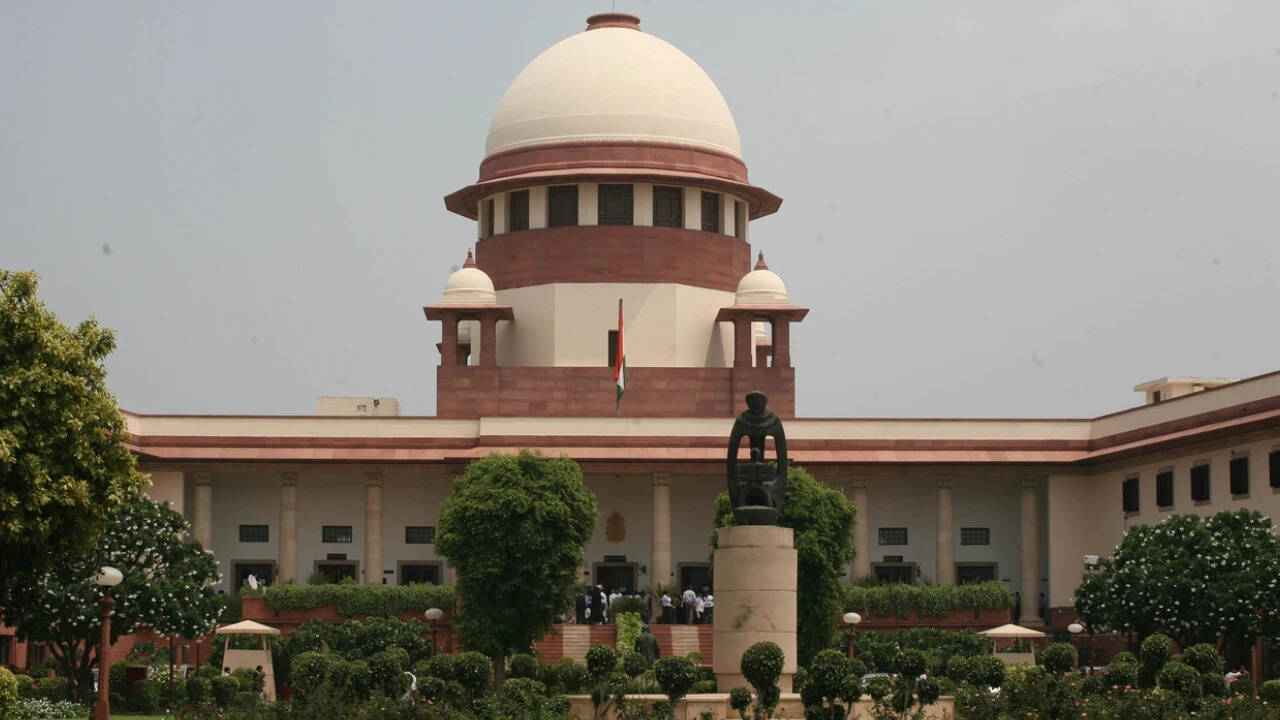
The Supreme Court of India has delivered a significant judgment clarifying the powers of the National Commission for Scheduled Castes (NCSC), ruling that the body cannot issue binding adjudicatory orders in service-related matters. The Court held that the NCSC's role is purely advisory, and its recommendations to the central or state governments are not enforceable as final orders.
In its ruling, a bench of the Supreme Court emphasized that while the NCSC can inquire into complaints and record factual findings, it lacks the authority to pass orders that are binding on the government or any other entity. The Commission can only send recommendations to the concerned authorities, which are free to accept or reject them after due consideration.
The judgment arose from a case where the NCSC had passed an order directing a state government to reinstate an employee. The state government challenged this order, arguing that the Commission had exceeded its constitutional mandate. The Supreme Court agreed, stating that the Commission's powers are limited to investigation and reporting under Article 338 of the Constitution.
Article 338 establishes the National Commission for Scheduled Castes with the duty to investigate and monitor all matters relating to safeguards provided for Scheduled Castes. The Court noted that the Commission's functions include evaluating the working of such safeguards, inquiring into specific complaints, and making recommendations. However, the Constitution does not confer upon it the power to pass final adjudicatory orders akin to a court or tribunal.
The Supreme Court's decision is seen as a crucial clarification of the constitutional limits of the NCSC. Legal experts have observed that the ruling restores the balance between the Commission's advisory role and the executive's authority to make final decisions on service matters. The judgment also reinforces the principle that quasi-judicial bodies must operate within the boundaries defined by the Constitution and statutes.
This development is significant for thousands of cases pending before the NCSC, where parties often sought binding relief. Going forward, the Commission's findings will serve as recommendations, requiring government action only if the competent authority deems it appropriate. The ruling is likely to affect pending matters and may prompt the government to reconsider the legal framework governing the Commission if any changes are deemed necessary.
The Supreme Court's decision has been welcomed by many as a check on potential overreach of constitutional bodies. At the same time, it underscores the need for robust mechanisms to address grievances of Scheduled Castes through appropriate forums that have the power to enforce remedies. The judgment ultimately aims to uphold the constitutional design while ensuring that the rights of marginalized communities are not undermined.