Supreme Court Lifts Two-Year Ban on Industries Near Taj Mahal
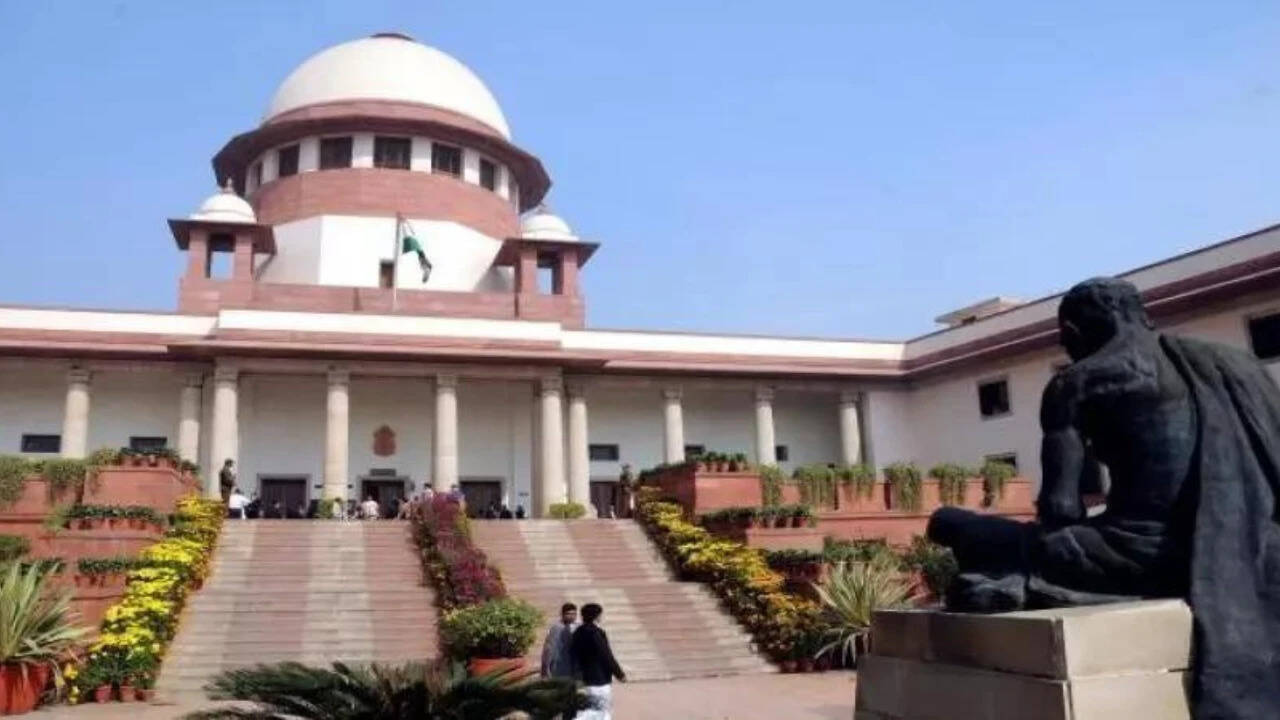
The Supreme Court of India has lifted a two-year-old blanket ban on the establishment of new industries in the Taj Trapezium Zone (TTZ), a region around the Taj Mahal designated to protect the monument from pollution. The decision, delivered on [date of judgment], allows certain types of industries to be set up, subject to strict environmental norms.
The ban was originally imposed in [year] by the court to curb industrial pollution that was causing discolouration and damage to the iconic 17th-century marble mausoleum. The TTZ covers an area of about 10,400 square kilometres spanning parts of Uttar Pradesh, Rajasthan, and Madhya Pradesh. The court had prohibited the setting up of new industrial units and the expansion of existing ones within this zone.
In its latest order, a bench comprising Justices [names] clarified that the ban was not intended to be permanent. The court stated that industries that do not use polluting fuels such as coal or pet coke and that have adequate pollution control measures in place may now be permitted. However, industries classified as 'red' or highly polluting will continue to be prohibited.
The judgment noted that the blanket ban had caused economic hardship and unemployment in the region. The court observed that a complete prohibition was not necessary if industries complied with emission standards. The order also directed the Central Pollution Control Board (CPCB) and the Uttar Pradesh Pollution Control Board (UPPCB) to conduct regular monitoring and ensure that any new industry adheres to the prescribed norms.
Environmental activists have expressed concerns that the relaxation could lead to increased pollution and damage to the Taj Mahal. They argue that the monument, which has already been affected by air pollution and the colouring of its marble, needs stricter protection. The court, however, stressed that the lifting of the ban is contingent on strict compliance and that it will review the situation if violations occur.
The Taj Mahal, a UNESCO World Heritage Site, attracts millions of visitors annually. Its preservation has been a matter of repeated judicial intervention. The Supreme Court has previously ordered measures such as limiting vehicular traffic, promoting the use of clean fuels, and closing down polluting industries in the TTZ.
The new ruling provides a framework for balanced development that seeks to protect both the environment and economic interests. The court has directed that all new industrial projects must obtain prior environmental clearance and consent from pollution control boards. The judgment is seen as a step towards reconciling conservation with regional development needs.


