Supreme Court Judge: Social Media 'Digital Mob' and Media Trials Threaten Judicial Independence
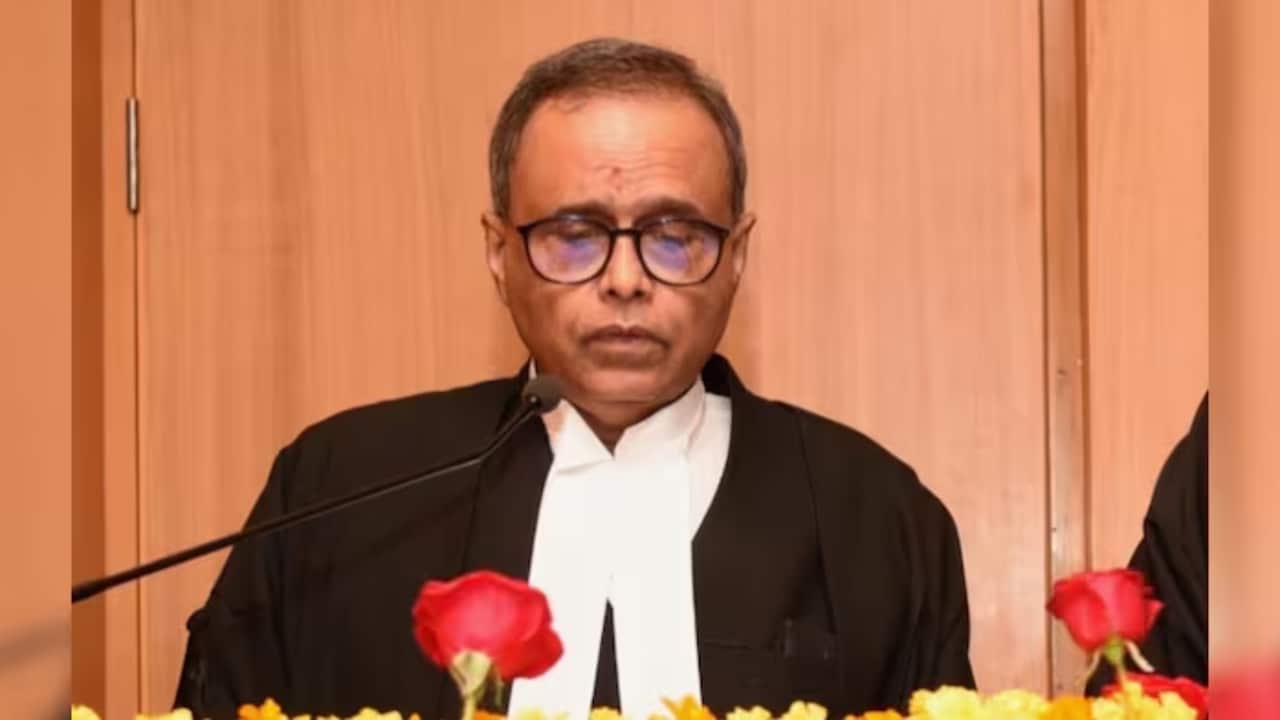
Supreme Court judge Justice Joymalya Bagchi has said that misinformation on social media and algorithm-driven public opinion are among the biggest challenges facing judicial independence today. Speaking at the fifth Justice HR Khanna Memorial National Symposium held on August 1, he described social media as "hydra-headed" and noted that misinformation now spreads faster than corrections.
Justice Bagchi said outrage expressed on digital platforms and media trials are creating unprecedented pressure on judges. He emphasised that "digital intermediaries" bear the first responsibility in dealing with false information. "Such entities which are significant reservoirs of power cannot plead that they are only a media," he said.
He added: "Dispassionate adjudication is being auctioned on the altar of 'likes'... Guilt manufactured online brands the acquitting judge as having erred for being fair." He also pointed out that Article 121 of the Constitution prohibits even Parliament from discussing a judge's conduct, yet "the digital public square tries him daily."
Acknowledging the positive role of live-streaming in enhancing court transparency, Justice Bagchi said it has also led to unintended consequences. Short video clips of hearings are often circulated out of context, and oral observations by judges are sometimes mistaken for final verdicts.
He dismissed the idea that judges should take to social media to offer clarifications. According to him, judges must maintain restraint and impartiality in their role. He cautioned that turning courts into platforms could foster a tendency towards performative behaviour within the judicial process.
"Judges should not be swayed either by the fear of the 'digital mob' or by online adulation," he said. While new media may not threaten judges with punishment, he said, it tempts them with the allure of approval and popularity, which can subtly undermine judicial independence.
Justice Bagchi also expressed concern over "media trials." While freedom of the press is vital, it cannot be used to declare an individual guilty before a court delivers its verdict, he said. He identified algorithms used by large technology companies as an emerging challenge, saying these algorithms promote sensational content and can shape public opinion in ways biased against the judicial process.
He suggested that live-streaming should not be made mandatory for every case. Instead, the decision should be left to the court's discretion, considering the nature of the case and the right to a fair trial. He also proposed that the Supreme Court and High Courts maintain secure digital records of live-streamed proceedings, to be made available when required under legal provisions.