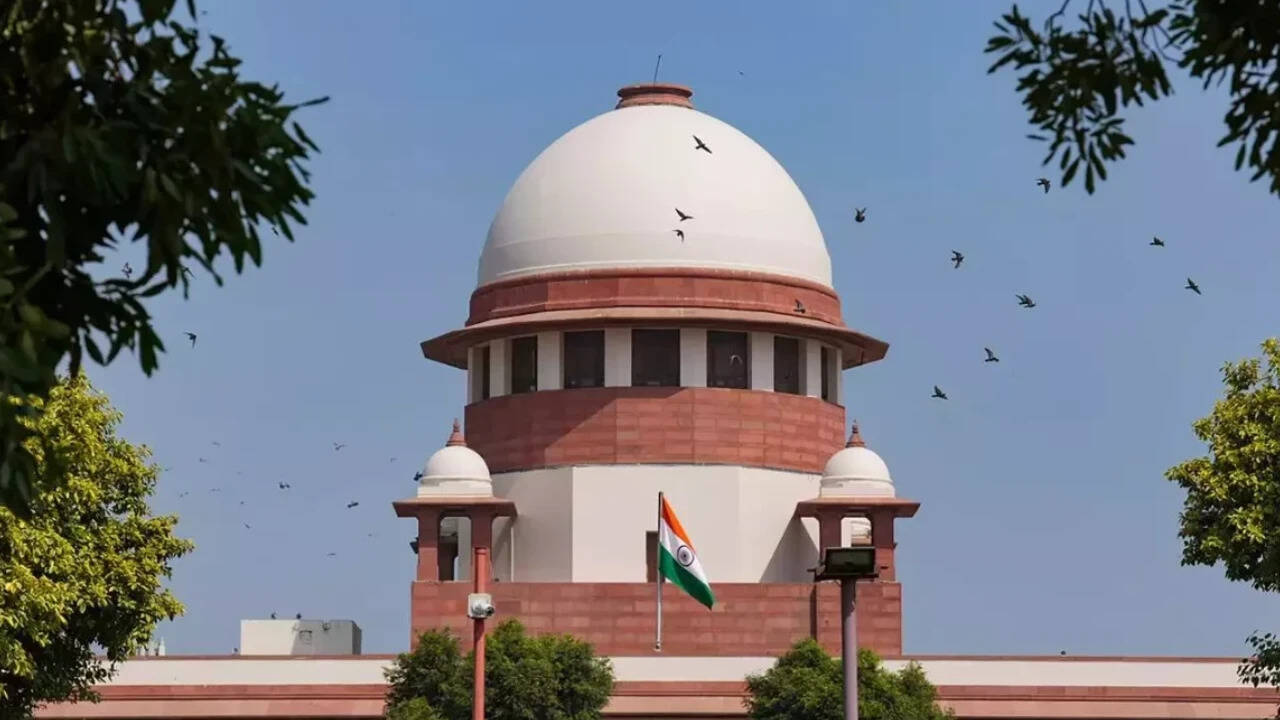
Supreme Court hears plea to relocate protest site from Jantar Mantar
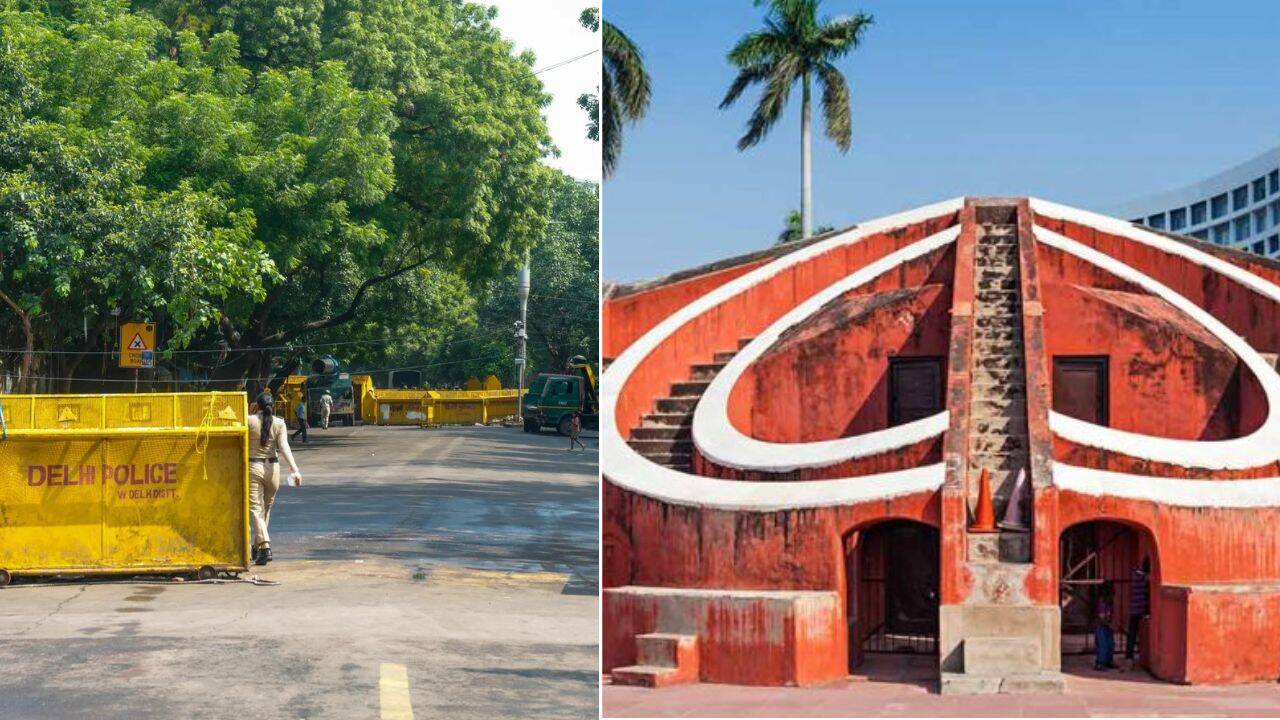
The Supreme Court on Tuesday agreed to hear a Public Interest Litigation (PIL) seeking an alternative venue to Jantar Mantar, the historic site in central Delhi that has long served as a designated space for protests and demonstrations. The plea argues that the location, which houses 18th-century astronomical instruments, is no longer suitable for sustained public agitations due to the disruption caused to its heritage value and the daily lives of nearby residents and commuters.
Jantar Mantar, built in 1724 by Maharaja Jai Singh II, has been a symbol of democratic expression for decades. From farmers’ rallies to anti-corruption movements, the site has witnessed countless protests, often continuing for weeks. However, in recent years, multiple complaints have surfaced regarding noise pollution, traffic congestion, and damage to the surrounding area during prolonged protests. The PIL contends that the continued use of the site for demonstrations undermines its cultural significance and creates an unreasonable burden on the public.
The petitioner has urged the court to direct the authorities to identify an equally accessible yet less disruptive location for protests. The plea suggests that designated protest zones could be established in areas that are isolated from residential neighborhoods and major thoroughfares, while still allowing citizens the right to assemble peacefully. The petition also highlights the need for clear guidelines to balance the right to protest with the rights of others to a clean and orderly environment.
During the brief hearing, a bench comprising Chief Justice of India D.Y. Chandrachud and Justice P.S. Narasimha listened to the arguments presented by the petitioner's counsel. The bench noted the importance of the matter and asked the central government and the Delhi administration to respond within four weeks. The court did not pass any interim order restricting protests at Jantar Mantar but indicated that the broader issue of protest management needs deliberation.
This development comes amid an ongoing debate on the role of public spaces in democratic dissent. While activists argue that restricting protest sites could curb freedom of speech, residents of the areas around Jantar Mantar have welcomed the move. “The noise and constant crowds make it impossible for us to go about our daily routines,” said a local shopkeeper, who did not wish to be named. “We respect the right to protest, but there has to be a balance.”
Legal experts point out that the Supreme Court has previously upheld the right to peaceful assembly as a fundamental right under Article 19(1)(b) of the Constitution, but that the right is subject to reasonable restrictions. The court has also in earlier rulings emphasized the importance of maintaining public order and “sovereignty and integrity of India.” The current PIL could set a precedent for how urban spaces are managed for both heritage preservation and democratic activities.
The government has not yet filed its response, but officials indicated that they are open to exploring alternatives. A senior bureaucrat in the Ministry of Housing and Urban Affairs, speaking on condition of anonymity, said that several open grounds in the city could be considered, including the Burari ground or the Dwarka sector 22 ground, which have hosted large events. However, activists caution that any shift should ensure easy access by public transport and create minimal inconvenience to protesters.
Civil society groups have also weighed in, with some demanding that the authorities first improve infrastructure and waste management at Jantar Mantar before seeking to relocate protests. “The issue is not the site itself but the lack of facilities,” said a convenor of a citizens’ collective that has organized multiple demonstrations. “If the authorities can manage the site properly, it can continue to serve its purpose.”
The next hearing is scheduled after four weeks. Until then, Jantar Mantar remains open for protests, subject to existing regulations. The court’s final decision will likely balance the constitutional right to dissent with the practical needs of a modern, crowded capital. This case has reignited the nationwide conversation on where and how citizens can express their grievances in public spaces, a question that resonates in democracies around the world.
Observers are keenly watching the proceedings, as the outcome could influence how urban local bodies in other cities design their protest policies. For now, the Supreme Court has taken the first step toward a comprehensive solution, not by curbing protests, but by asking whether the venue itself serves the larger public interest.