Supreme Court forms panel to probe alleged excessive force by police on NEET students
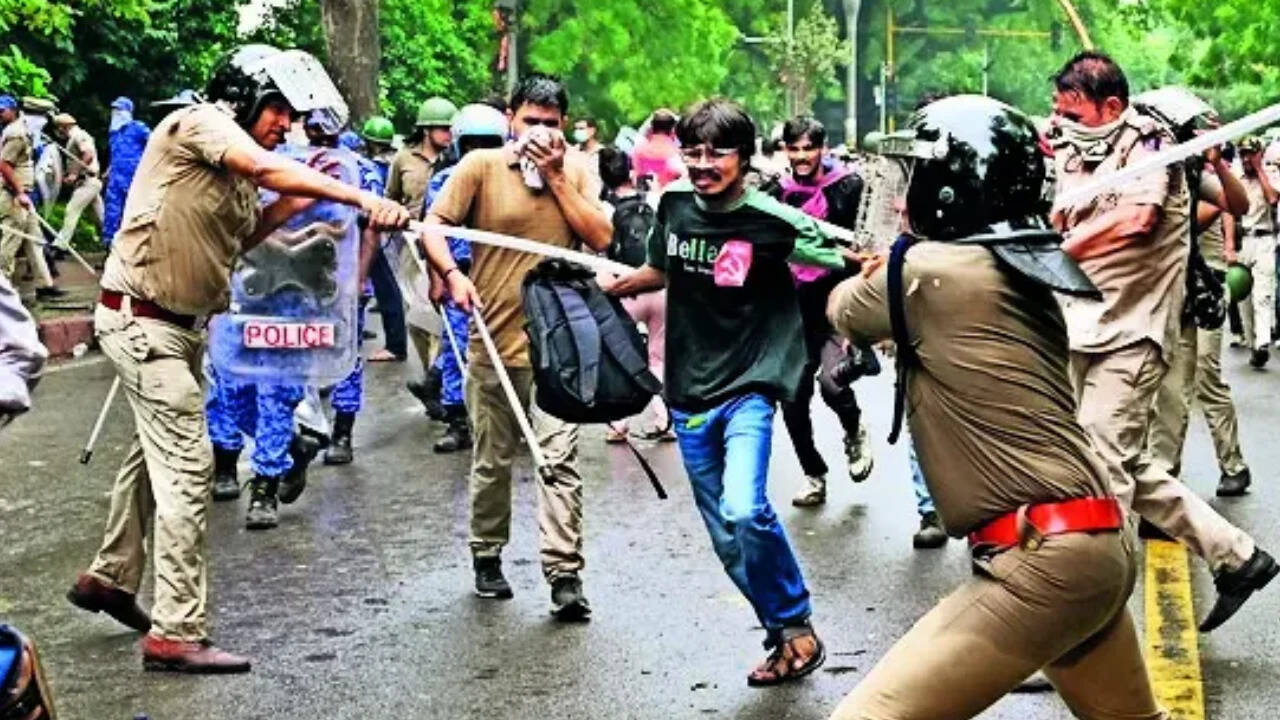
The Supreme Court has constituted a five-member committee to probe allegations of excessive use of force by police against students participating in protests over the National Eligibility cum Entrance Test (NEET). The decision was announced while the court was hearing a batch of petitions regarding the police handling of demonstrations that followed the exam.
NEET is the national-level medical entrance examination conducted by the National Testing Agency (NTA). It determines admissions to undergraduate medical courses like MBBS and BDS in India. In the 2024 edition, allegations of question paper leaks and malpractices at certain centres triggered widespread anger. Students demanded a re-test and a full inquiry into the matter.
Protests erupted in cities such as Delhi, Patna, Jaipur, and Mumbai. The demonstrations were largely peaceful, but in some places, students blocked roads and government offices, prompting police intervention. Video clips shared on social media depicted police using lathis, water cannons, and detaining students. Several student organisations filed complaints claiming that the police used far more force than the situation warranted.
The Supreme Court, when approached, took serious note of these allegations. Acting on the plea for an independent inquiry, the court directed the formation of a five-member committee. The panel has been tasked with examining whether the police acted within the legal limits during the protests. It is also expected to suggest guidelines to ensure that peaceful demonstrators are not subjected to unnecessary violence.
While the court has not officially revealed the names of the panel members, it is expected that the committee will include a retired judge, senior law enforcement officers, and independent experts. Such a composition would lend credibility to the investigation. The committee is likely to be given the power to collect evidence, examine witnesses, and review the orders issued by police officials at the time.
Student leaders have cautiously welcomed the court's step. They argue that the panel must function transparently and submit its report to the Supreme Court in the public domain. Police authorities, on their part, have asserted that they acted in good faith to control what they described as unlawful assemblies. They say they are ready to provide all necessary records to the committee.
The Supreme Court's intervention is significant beyond the immediate case. It reinforces the constitutional guarantee of the right to protest, while also acknowledging the state's duty to protect public order. The committee's findings could set a precedent for how law enforcement agencies deal with student movements in the future. It may also serve as a deterrent against the arbitrary use of force.
Legal experts say the panel's success will depend on its independence and the resources provided to it. The court must ensure that the committee is insulated from external or internal pressures. For the students, the inquiry is not just about punishing errant officers, but about restoring faith in the justice system.
As the investigation proceeds, all eyes are on the Supreme Court and its commitment to a fair and unbiased process. The outcome will have a lasting impact on civil liberties and police accountability in India.







